
Astronomers detect sugar molecule in interstellar space for the first time
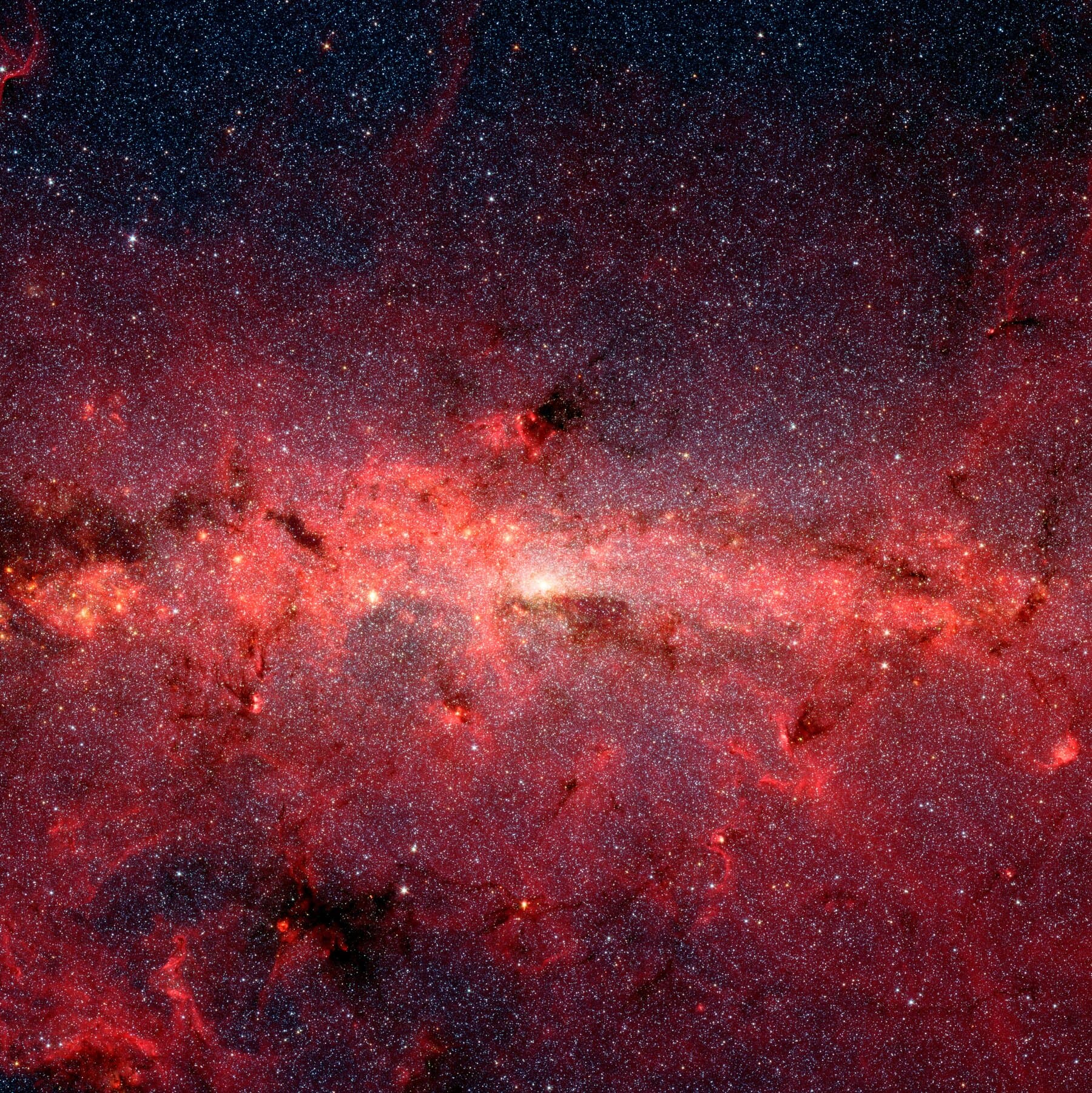
Here's what it means for you.
The detection of the sugar molecule erythrulose in interstellar space has profound implications for our understanding of life's origins. This discovery suggests that the building blocks of life are not exclusive to Earth, potentially reshaping astrobiology and our search for extraterrestrial life. As scientists delve deeper into the chemical processes occurring in space, we may uncover new insights into how life could emerge in diverse cosmic environments.
What happened
Astronomers have made a groundbreaking discovery by detecting a type of sugar known as erythrulose in a dust and gas cloud near the center of the Milky Way. This marks the first time a sugar molecule has been identified in interstellar space, occurring approximately 26,700 light years from Earth. The finding was made using data from the Spitzer Space Telescope, which has been instrumental in exploring the cosmos.
Erythrulose is a natural sugar that can also be found in raspberries, indicating that similar organic compounds may exist throughout the universe. This discovery opens new avenues for understanding the chemical processes that could lead to the emergence of life, suggesting that essential compounds for life can form in the vastness of space.
The Context
The detection of erythrulose is significant as it highlights the potential for life's building blocks to be common throughout the universe. This finding enhances our understanding of how life could arise in different cosmic environments, challenging the notion that Earth is unique in its ability to support life. The implications of this discovery extend beyond mere curiosity, as it could influence future research in astrobiology and the search for extraterrestrial life.
As research continues, scientists will likely focus on the chemical processes that lead to the formation of such organic compounds in space. The timing of this discovery coincides with a growing interest in understanding the origins of life on Earth, particularly as similar molecules may have contributed to life's emergence over 4 billion years ago.
Takeaway
The detection of sugar in space opens up new avenues for understanding the building blocks of life beyond Earth. Future studies will likely explore the implications of this discovery for astrobiology, particularly in relation to other organic compounds found in interstellar environments. As researchers investigate the significance of sugars and similar molecules, we may gain deeper insights into the conditions necessary for life to thrive elsewhere in the universe.
The ongoing exploration of interstellar chemistry will be crucial in shaping our understanding of life's potential to exist beyond our planet. This discovery serves as a reminder of the vast possibilities that lie within the cosmos, inviting further inquiry into the origins of life itself.
International coverage of politics, security, and social issues.
"Global News is a mainstream Canadian outlet with a centrist editorial stance, focusing on factual reporting."
— A47 Editor
Scientists find sugar in the Milky Way. It could help answer a cosmic mystery
Scientists have detected sugar in the Milky Way, specifically in the galactic center region, approximately 26,700 light years from Earth. This discovery adds to the understanding of complex organic molecules in space, suggesting that essential compou...
Space exploration, astronomy, and astrophysics.
"The New York Times is a globally recognized newspaper offering authoritative reporting with a center-left editorial stance."
— A47 Editor
A Sweet Surprise: Scientists Find Sugar Deep in Our Galaxy
Scientists have made a groundbreaking discovery by detecting a sugar molecule in interstellar space for the first time, specifically in a vast cloud of dust and gas near the center of the Milky Way. This finding, made possible by advanced telescopes,...
Technology innovations, startups, and trends.
"ABC News delivers broad national coverage with a mainstream editorial stance, focusing on accessibility and balanced reporting."
— A47 Editor
In a sweet discovery, astronomers find sugar lurking in the space between stars
Astronomers have made a significant discovery by detecting a type of sugar in the space between stars, which is also found in raspberries. This finding highlights the complex chemistry that exists in the universe and suggests that organic compounds m...
Top international stories selected by The Guardian editors.
"The Guardian is known for its progressive editorial stance and in-depth analysis."
— A47 Editor
Space jam: astronomers detect ‘raspberry sugar’ on dust cloud in Milky Way
Astronomers have detected erythrulose, a natural sugar found in raspberries, in a vast cloud of dust and gas near the center of the Milky Way galaxy. This discovery highlights the presence of essential compounds for life in the cold expanses between ...
Reports on science policy, discoveries, and public debate in the scientific realm.
"The Guardian’s science section is known for thoughtful and critical reporting on global research, ethics, and public understanding of science."
— A47 Editor
Space jam: astronomers detect ‘raspberry sugar’ on dust cloud in Milky Way
Astronomers have detected erythrulose, a natural sugar found in raspberries, in a vast cloud of dust and gas near the center of the Milky Way galaxy. This discovery highlights the presence of essential compounds for life in the cold expanses between ...
Scientific discoveries, health, technology, and natural phenomena.
"Live Science reports on scientific discoveries, health, technology, and natural phenomena with a popular science tone."
— A47 Editor
Sweet! Sugar found in raspberries was discovered near the Milky Way's center, hinting that life's ingredients are common in space
A natural sugar called erythrulose, which is also found in raspberries, has been detected in a vast cloud of dust and gas near the center of the Milky Way. This discovery suggests that essential compounds for life may be more common in the universe t...
News in science and technology, with a focus on consumer and innovation stories.
"Popular Science simplifies complex scientific topics for general audiences and celebrates innovation."
— A47 Editor
Sugar discovered floating in deep space for the first time
For the first time, sugar has been discovered floating in deep space, suggesting that similar sweet molecules may have played a crucial role in jumpstarting life on Earth over 4 billion years ago. This groundbreaking finding opens new avenues for und...