
Discovery of two super-puff exoplanets challenges gas giant formation theories
Here's what it means for you.
The discovery of TOI-791 b and TOI-791 c represents a pivotal moment in exoplanet research, potentially altering our understanding of gas giant formation. These super-puff planets, with densities lower than cotton candy, challenge existing models and theories in planetary science. As astronomers delve deeper into their characteristics, we may gain insights that could influence future research and exploration of planetary systems. The implications extend beyond academic interest; they may also impact how we approach the search for habitable worlds. Understanding the formation and evolution of such unique planets could lead to new methodologies in exoplanet detection and analysis.
What happened
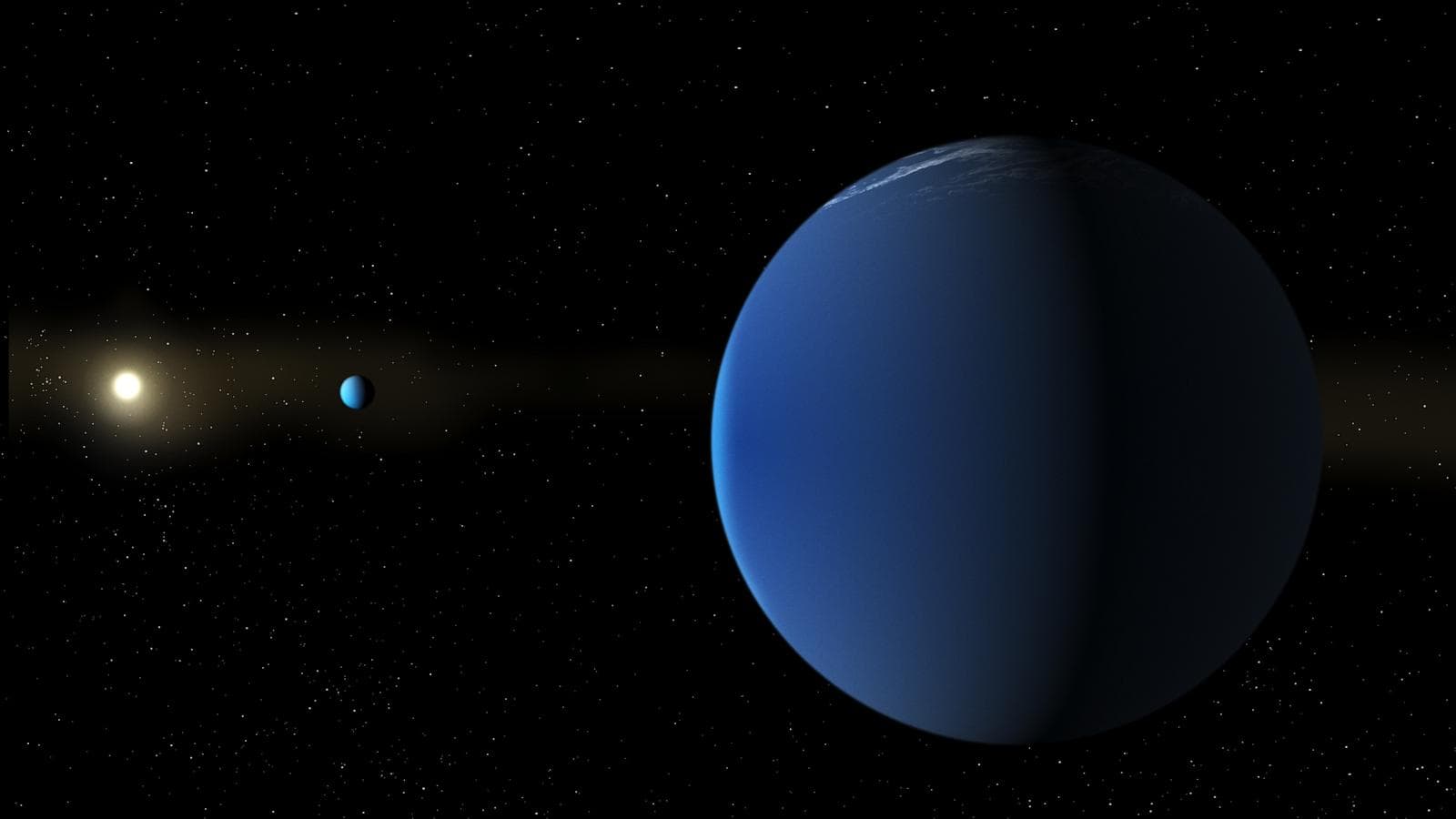
Astronomers have announced the discovery of two new exoplanets, TOI-791 b and TOI-791 c, which are the lightest gas giants ever found. These planets orbit the same star and are notable for their remarkably low densities, which are 28 to 35 times less than that of Jupiter. This finding is significant as it challenges current theories regarding the formation of gas giants.
The discovery was made possible through advancements in astronomical observation techniques, allowing researchers to identify these unique planetary characteristics. The announcement marks a significant milestone in the ongoing exploration of exoplanets and their diverse forms.
The Context
TOI-791 b and TOI-791 c are groundbreaking discoveries in the field of astronomy, as they highlight the diversity of planetary systems beyond our solar system. Their densities, which are lower than that of cotton candy, raise questions about the conditions necessary for gas giants to form. This discovery comes at a time when astronomers are increasingly focused on understanding the variety of worlds that exist in the universe.
The implications of these findings could reshape our understanding of planetary formation and evolution. As researchers continue to study these super-puff planets, they may uncover new insights that challenge long-held beliefs about gas giants and their characteristics.
Takeaway
The discovery of TOI-791 b and TOI-791 c opens new avenues for research into the atmospheric composition and formation processes of gas giants. Future studies will likely focus on understanding the unique conditions that allow such low-density planets to exist. This could lead to a reevaluation of existing models of planetary formation and the diversity of worlds in the universe.
As astronomers investigate these super-puff planets further, we can expect to see advancements in our knowledge of planetary systems. The ongoing research may yield significant insights that could influence both theoretical and practical approaches to exoplanet exploration.
Space science news, astronomy updates, and spaceflight developments.
"Space.com delivers space science news, astronomy updates, and spaceflight developments with engaging coverage."
— A47 Editor
Two 'super-puff' cotton candy exoplanets are the lightest gas giants ever discovered
Astronomers have discovered two 'super-puff' exoplanets orbiting the same star, characterized by their remarkably low densities, even lighter than cotton candy, making them the lightest gas giants ever identified. This groundbreaking finding expands ...
Technology innovations, startups, and trends.
"ABC News delivers broad national coverage with a mainstream editorial stance, focusing on accessibility and balanced reporting."
— A47 Editor
Astronomers find biggest super-puff planets yet that are lighter than cotton candy
Astronomers have discovered a pair of giant planets that are remarkably lighter than cotton candy, marking a significant advancement in the study of super-puff planets. This finding highlights the diversity of planetary compositions and challenges ex...
News in science and technology, with a focus on consumer and innovation stories.
"Popular Science simplifies complex scientific topics for general audiences and celebrates innovation."
— A47 Editor
Two ‘super-puff’ planets are as wispy as cotton candy
Astronomers have identified two newly discovered exoplanets, TOI-791 b and TOI-791 c, which are comparable in size to Jupiter but possess a remarkably low density, making them as wispy as cotton candy. This discovery sheds light on the diverse charac...