
Cyberattack Disrupts Services at Major Iranian Banks
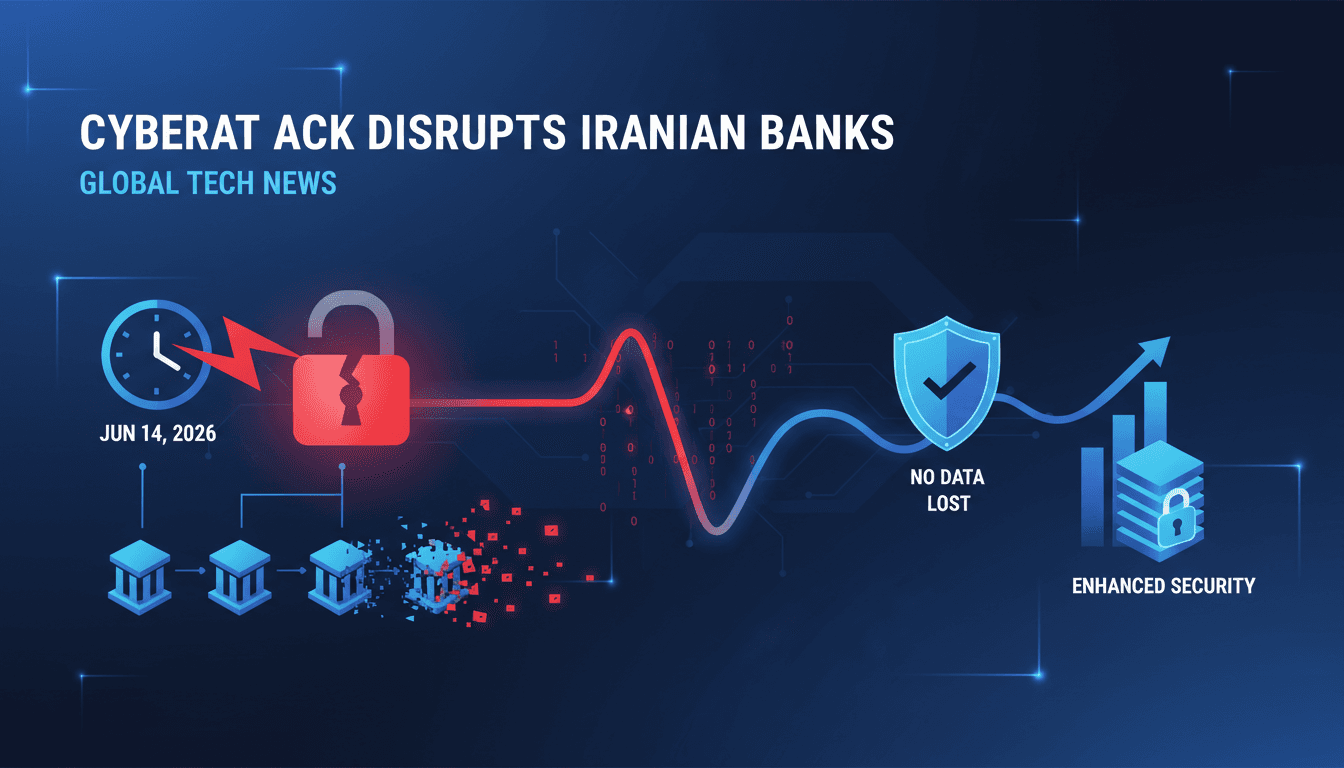
Here's what it means for you.
The recent cyberattack on four major Iranian banks underscores the persistent vulnerabilities within the financial sector. As authorities work to restore services, the incident may prompt a reevaluation of cybersecurity protocols across the industry. Financial institutions must prioritize robust security measures to safeguard customer data and maintain public trust. This event serves as a reminder of the critical importance of cybersecurity in protecting financial infrastructure. Stakeholders should remain vigilant as the situation develops, particularly regarding potential regulatory changes and enhanced security measures.
What happened
On June 14, 2026, a cyberattack targeted the shared communications infrastructure of four major Iranian banks, including the National Bank of Iran. The attack caused significant service disruptions, prompting immediate protective measures from Iranian authorities. Technical teams were deployed to secure the banking systems and restore operations swiftly.
Authorities confirmed that no customer data was compromised during the incident, alleviating concerns about unauthorized access to sensitive information. As investigations continue, no group has claimed responsibility for the attack, leaving the motives and origins of the incident unclear.
The Context
The affected banks include Bank Melli, Bank Tejarat, Bank Saderat, and the Export Development Bank of Iran, highlighting the vulnerability of critical financial infrastructure in the region. This incident raises broader concerns about the cybersecurity landscape for financial institutions in Iran, which have faced increasing threats in recent years.
As the digital landscape evolves, the need for enhanced security measures becomes paramount. The swift response from Iranian authorities indicates a recognition of these vulnerabilities and a commitment to protecting the banking sector from future attacks.
Takeaway
The cyberattack emphasizes the ongoing cybersecurity threats faced by financial institutions in Iran. As investigations progress, it is likely that Iranian banks will enhance their cybersecurity measures to prevent similar incidents in the future. Stakeholders should monitor potential responses from authorities regarding new regulations and security protocols.
Future developments in the investigation may also shed light on the motivations behind the attack and inform broader cybersecurity strategies across the region. The financial sector must remain proactive in addressing these challenges to ensure the safety of customer information and maintain operational integrity.
English-language reporting on Saudi politics, policy, and society.
"Saudi Gazette reflects mainstream Saudi institutional perspectives."
— A47 Editor
Iran says cyberattack disrupted services at four major banks
Iran reported a limited cyberattack that disrupted operations at four major banks, including the National Bank of Iran, Bank Tejarat, Bank Saderat Iran, and Bank Tosee Saderat. Authorities are working to restore services and secure the banking infras...
Latest Bahasa Malaysia headlines across national affairs, politics, business, and public developments.
"Astro Awani offers a broad latest-news feed useful for detecting fast-moving Malaysian institutional stories."
— A47 Editor
Serangan siber jejas empat bank - Iran
A limited cyberattack has disrupted operations at four Iranian banks, including Bank Negara Iran, Bank Tejarat, Bank Saderat Iran, and Bank Tosee Saderat, as reported by Iranian authorities on Sunday.
Regional coverage of Middle East politics, diplomacy, and security issues.
"Arab News Middle East coverage often reflects Saudi and Gulf strategic interests in regional affairs."
— A47 Editor
Iran says limited cyberattack disrupts services at four banks, state media says
A cyberattack has disrupted services at four major Iranian banks, including Bank Melli, Bank Tejarat, Bank Saderat, and the Export Development Bank of Iran, according to state media. The attack targeted a shared communications infrastructure, prompti...