
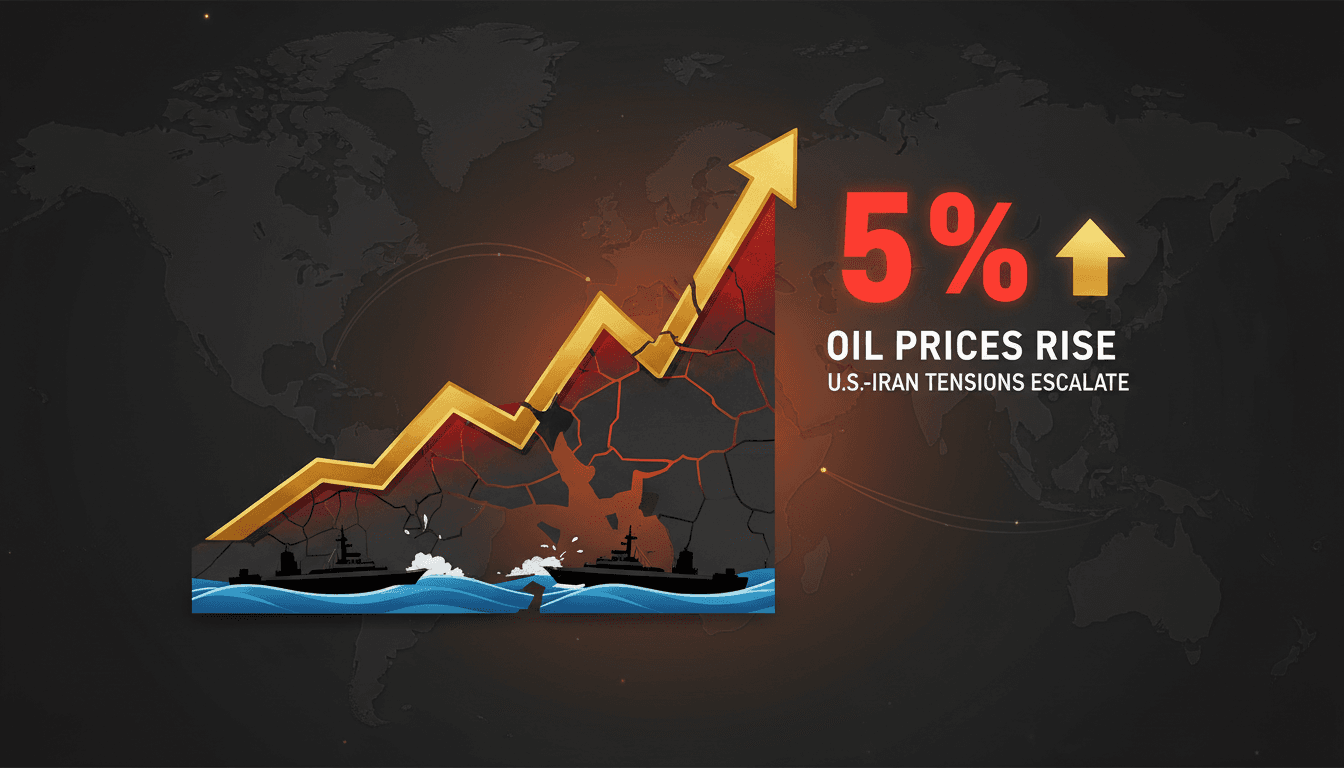
Oil prices rise over 5% amid escalating U.S.-Iran tensions
Here's what it means for you.
The recent surge in oil prices signals heightened market volatility, driven by geopolitical tensions between the U.S. and Iran. Stakeholders in the energy sector should brace for potential disruptions in supply chains, particularly in critical maritime routes like the Strait of Hormuz. As the situation unfolds, businesses and policymakers must remain vigilant to navigate the implications for global oil markets.
What happened
On June 1, 2026, oil prices surged by over 5% following Iran's announcement to suspend all communication with the U.S. This escalation was fueled by reports of military confrontations between the two nations, raising alarms about potential disruptions in oil supply. The increase in prices reflects growing fears among investors regarding the stability of oil supply routes amid escalating tensions.
The rise in oil prices was significant, with an increase of over six dollars per barrel reported on the same day. The situation is further complicated by ongoing military actions in the region, particularly involving Israeli forces in Lebanon. These developments have created a precarious environment for global oil markets.
The Context
The backdrop of this situation involves deteriorating diplomatic relations between the U.S. and Iran, marked by Iran's decision to halt negotiations. This decision has heightened concerns about the security of oil supply routes, especially in the strategically vital Strait of Hormuz. The ongoing military confrontations between the two nations have intensified fears of potential disruptions that could impact global oil supply.
As tensions escalate, various stakeholders, including governments and energy companies, are closely monitoring the situation. The implications of these developments extend beyond immediate price fluctuations, potentially affecting long-term market stability. Understanding the dynamics at play is crucial for navigating the evolving landscape of global energy markets.
Takeaway
Looking ahead, stakeholders should closely monitor developments in U.S.-Iran relations and any military actions in the region. The potential for further volatility in oil prices remains high, with supply chain disruptions likely as the conflict continues. Businesses and policymakers must prepare for the ramifications of these geopolitical tensions on global oil supply and pricing.
As the situation evolves, it will be essential to assess the broader impacts on energy markets and international relations. The ongoing conflict could lead to significant shifts in market dynamics, necessitating proactive strategies to mitigate risks.
Pan-Arab political news and analysis.
"Al-Quds Al-Arabi is a London-based Arabic newspaper known for political coverage."
— A47 Editor
النفط يرتفع 6% بعد إعلان إيران وقف تبادل الرسائل مع أمريكا
Oil prices surged by over six dollars per barrel following reports from Tasnim News Agency that the Iranian negotiation team has ceased communication with the United States. This announcement has contributed to a significant increase in market prices...
Pan-Arab news coverage spanning politics, business, sports, and regional affairs.
"Asharq Al-Awsat reflects a broad Arab editorial perspective with strong attention to regional geopolitics."
— A47 Editor
النفط يرتفع أكثر من 5 % وسط تصاعد التوترات بين أميركا وإيران
Oil prices increased by more than 5% during trading on Monday, marking the start of the week, following Iran's announcement to suspend all messaging exchanges with Washington. This development has heightened tensions between the two nations, impactin...
Arabic-language economic and business reporting with strong UAE market relevance.
"Emarat Al Youm business coverage often centers UAE property, banking, consumer issues, and economic policy."
— A47 Editor
النفط يرتفع مع قصف بين أميركا وإيران وتوغل إسرائيل في لبنان النفط يرتفع مع قصف بين أميركا وإيران وتوغل إسرائيل في لبنان
Oil prices rose by more than three percent on Monday following mutual shelling between Iran and the United States, alongside Israel's incursion into Lebanon. This increase reflects heightened tensions in the Middle East, which often impact global oil...
Arabic-language coverage of international news and geopolitics.
"RT Arabic is a Russian state-funded outlet often criticized for promoting Kremlin-aligned narratives."
— A47 Editor
ارتفاع أسعار النفط بنحو 5% بعد تعليق إيران التفاوض مع الولايات المتحدة عبر الوسطاء
Oil prices increased by approximately 5% on Monday following reports from Tasnim that the Iranian negotiating team has halted communication with the United States through intermediaries after Israeli attacks on Lebanon.
Arabic-language economic and business reporting with strong UAE market relevance.
"Emarat Al Youm business coverage often centers UAE property, banking, consumer issues, and economic policy."
— A47 Editor
ارتفاع أسعار النفط بأكثر من 2% ارتفاع أسعار النفط بأكثر من 2%
Oil prices increased by more than 2% in early trading today, with U.S. crude futures rising by $2.37. This upward trend reflects ongoing market dynamics and investor sentiment.