
NASA announces plans for a permanent lunar base by 2032
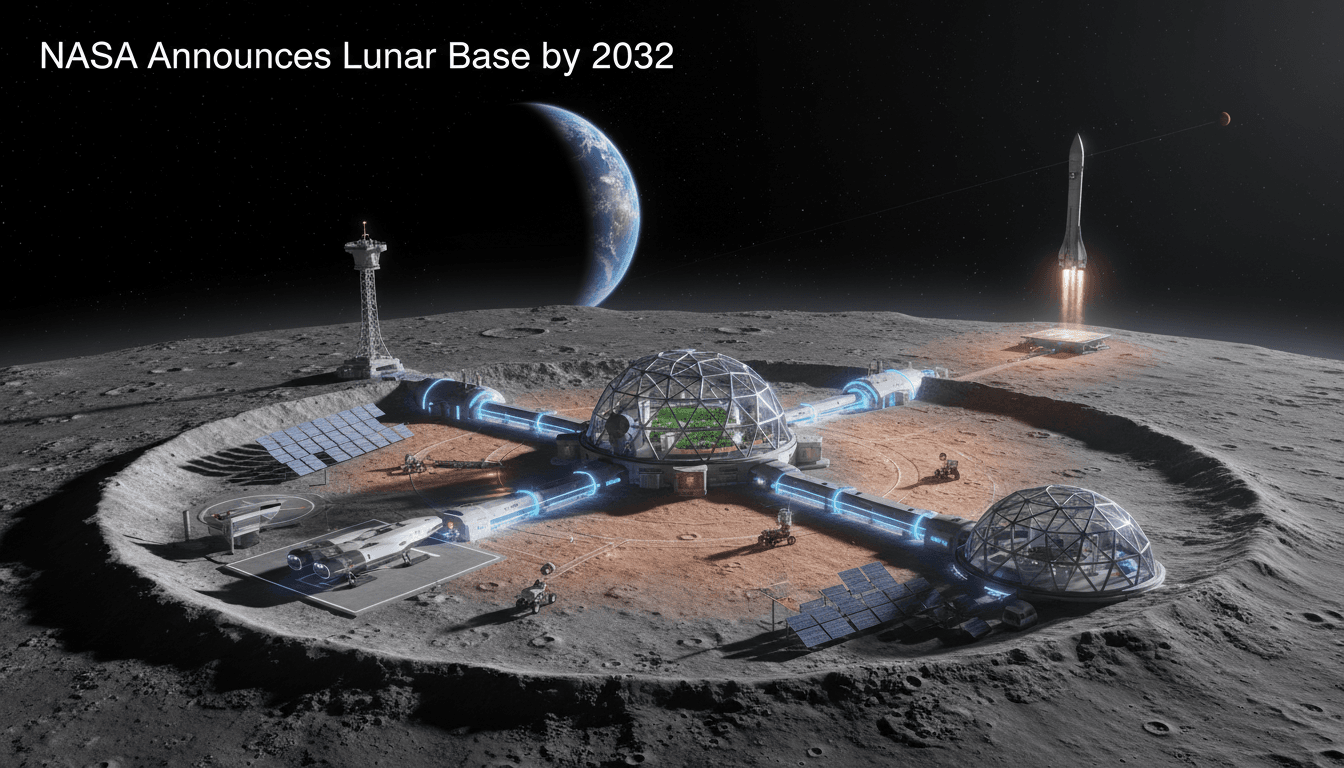
Here's what it means for you.
NASA's announcement to establish a permanent lunar base by 2032 marks a pivotal moment in space exploration, with implications for technology development and international collaboration. This initiative could stimulate advancements in robotics and aerospace engineering, creating new opportunities for businesses and researchers alike. As the agency seeks proposals for landing vehicles and rovers, the market for lunar exploration technologies is likely to expand significantly. The establishment of a lunar base is not just a scientific endeavor; it represents a strategic move to ensure a sustained human presence on the Moon. This could redefine humanity's approach to space exploration, paving the way for future missions to Mars and beyond.
What happened
NASA has officially announced its plans to build a permanent base on the Moon, targeting completion by 2032. The agency is actively soliciting proposals for various robotic and aerial vehicles to support this ambitious project. This initiative is part of a broader strategy to enhance infrastructure for future space missions and ensure a sustained human presence on the lunar surface.
The announcement was made on May 26, 2026, with subsequent details regarding the types of vehicles needed for lunar exploration revealed shortly after. NASA's efforts include the development of robotic landing vehicles and jump-capable drones, which will play a crucial role in establishing the lunar base.
The Context
The lunar base initiative is a significant component of NASA's long-term vision for space exploration. By creating a permanent human presence on the Moon, the agency aims to facilitate further exploration of Mars and other celestial bodies. This project involves collaboration with various stakeholders, including private companies and international partners, which could enhance the technological capabilities required for such an endeavor.
As NASA progresses with its plans, it will likely encounter both technical challenges and opportunities for collaboration. The timeline for this project is ambitious, with a target completion date that underscores the urgency and importance of establishing a foothold on the Moon.
Takeaway
Looking ahead, the establishment of a lunar base could lead to exciting developments in space exploration technology. As NASA continues to solicit proposals for lunar vehicles, updates on the progress of these technologies will be crucial to watch. Future announcements regarding international collaborations on lunar exploration are also anticipated, which could further enhance the scope and impact of this initiative.
The successful implementation of this project could redefine humanity's approach to space exploration, setting the stage for future missions to Mars and beyond.
Arabic-language sports reporting covering UAE competitions and major international events.
"Emarat Al Youm sports coverage is mainstream and accessible, with strong emphasis on UAE and regional sport."
— A47 Editor
«ناسا» تبدأ تنفيذ خطة إنشاء قاعدة دائمة لها على القمر «ناسا» تبدأ تنفيذ خطة إنشاء قاعدة دائمة لها على القمر
NASA has initiated a plan to establish a permanent base on the Moon by requesting landing vehicles, rovers, and drones. This marks a significant step in the agency's lunar exploration efforts, aiming to enhance human presence on the Moon.
Arabic-language reporting on global and regional news.
"BBC Arabic is part of the BBC, generally regarded for editorial standards and broad international coverage."
— A47 Editor
ناسا تسابق الزمن لبناء قاعدة دائمة على سطح القمر
NASA has unveiled a range of machines intended for deployment on the moon as part of its plans to establish a permanent base on its surface. These machines include robotic landers, jump-capable drones, and rovers designed for lunar exploration.
Arabic-language coverage of international news and geopolitics.
"RT Arabic is a Russian state-funded outlet often criticized for promoting Kremlin-aligned narratives."
— A47 Editor
ناسا تكشف خطتها لإنشاء محطة مأهولة على القمر بحلول 2032
NASA has announced its intention to establish a manned station on the Moon by 2032, as part of a plan aimed at securing a permanent human presence on the lunar surface and developing the necessary infrastructure for future space missions.