
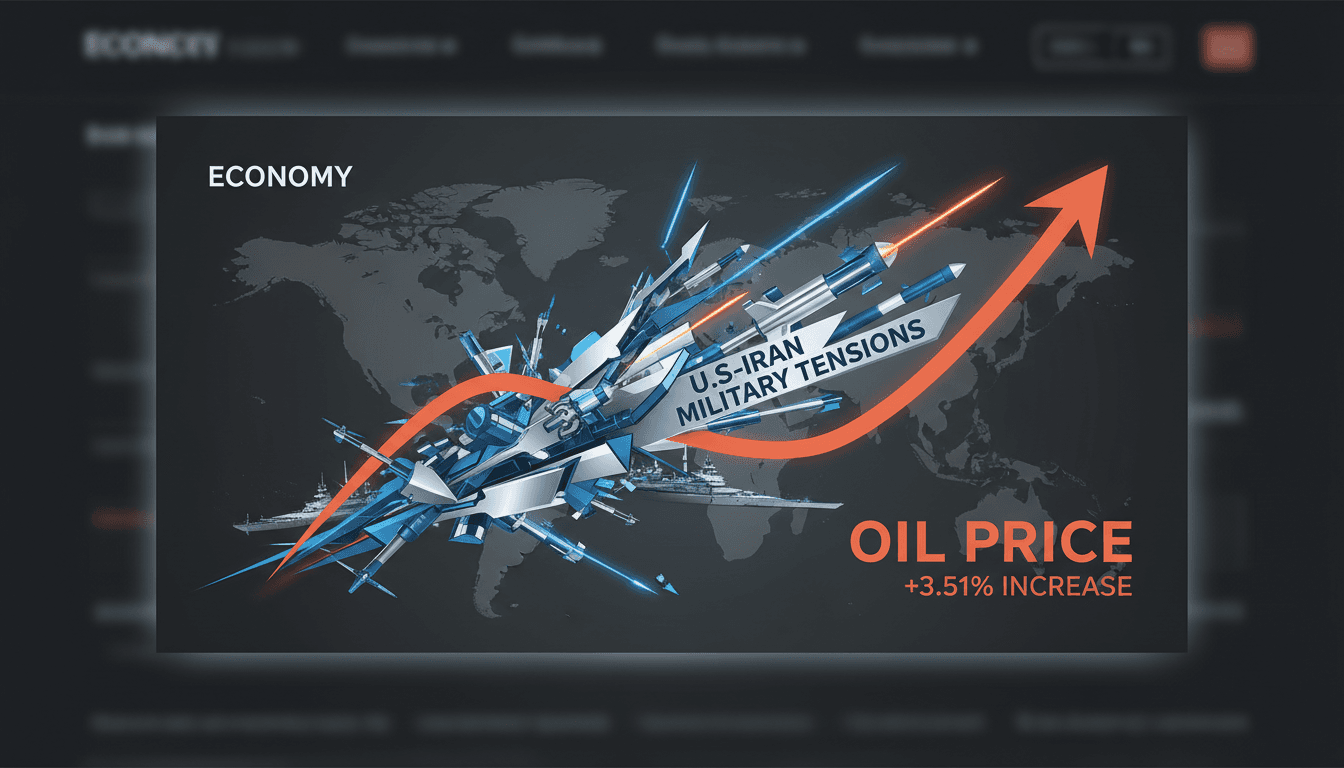
Oil prices rise over 3% due to escalating U.S.-Iran military tensions
Here's what it means for you.
The recent surge in oil prices signals heightened concerns among investors regarding the stability of energy supplies. As military tensions escalate between the U.S. and Iran, the potential for disruptions in oil shipments through the Strait of Hormuz becomes increasingly likely. This situation could lead to further volatility in global energy markets, impacting both consumers and businesses reliant on stable oil prices. Market participants should remain vigilant as developments unfold, as ongoing military actions may influence pricing trends. The geopolitical landscape is shifting, and the ramifications could extend beyond immediate price increases.
What happened
Oil prices surged by 3.51% following increased military exchanges between the U.S. and Iran. The immediate trigger for this spike was the recent U.S. strikes against Iranian targets, which have prompted retaliatory actions from Iran. As a result, Brent crude oil prices increased by $2.67, reaching $78.68 per barrel.
This rise in prices reflects market reactions to the escalating tensions and fears of potential disruptions in energy supplies. The situation has raised alarms about the stability of oil shipments, particularly through the critical Strait of Hormuz.
The Context
The Strait of Hormuz is a vital chokepoint for global oil shipments, making any military conflict in the region particularly concerning for energy markets. Recent U.S. military actions against Iranian positions have heightened fears of further instability in the Middle East. Iran's retaliatory measures, including attacks in various Gulf states, add to the uncertainty surrounding oil supply chains.
As both nations engage in military actions, the global oil market is reacting with significant price increases. The ongoing conflict has the potential to disrupt not only regional stability but also the broader energy landscape.
Takeaway
The ongoing conflict between the U.S. and Iran is likely to continue influencing oil prices, with potential for further increases if military actions escalate. Investors and policymakers should closely monitor developments in U.S.-Iran relations and their impact on oil supply. Additionally, responses from other countries in the region could further shape the dynamics of the situation.
As tensions persist, the global energy market may experience continued volatility, prompting stakeholders to reassess their strategies in light of these geopolitical risks.
Arabic-language coverage of international news and geopolitics.
"RT Arabic is a Russian state-funded outlet often criticized for promoting Kremlin-aligned narratives."
— A47 Editor
النفط يقفز بأكثر من 3% وسط تبادل الضربات الأمريكية الإيرانية
Oil prices surged by over 3% amid escalating U.S. strikes and Iranian responses across several regional countries, raising concerns about potential disruptions to energy shipments through the Strait of Hormuz.
Pan-Arab political news and analysis.
"Al-Quds Al-Arabi is a London-based Arabic newspaper known for political coverage."
— A47 Editor
النفط يقفز بأكثر من 3% وسط ضربات أمريكا وإيران في الشرق الأوسط
Oil prices surged by more than 3% as Iran intensified its attacks in Gulf countries following strikes by the United States, raising concerns over energy shipments through the Strait of Hormuz. Futures for Brent crude increased by 2.6%, reflecting the...
Arabic-language political and world news coverage for UAE readers.
"Emarat Al Youm world coverage usually presents international developments through a UAE and Arab audience lens."
— A47 Editor
النفط يقفز بأكثر من 3% في ظل التوترات في مضيق هرمز النفط يقفز بأكثر من 3% في ظل التوترات في مضيق هرمز
Oil prices surged by more than 3% following U.S. strikes against Iran, raising concerns over the security of energy shipments through the Strait of Hormuz. This increase in futures contracts reflects market reactions to geopolitical tensions in the r...