
Saudi Arabia Cuts July Crude Oil Prices for Asia Amid Slowing Demand
Here's what it means for you.
The recent reduction in Saudi Arabia's crude oil prices for July reflects a strategic response to the shifting dynamics of demand in Asia. This adjustment may influence market pricing and supply strategies, impacting various stakeholders, including consumers and businesses reliant on oil. As the global economic landscape evolves, these changes could signal further adjustments in oil pricing strategies. The implications of this price cut extend beyond immediate market reactions, potentially reshaping the competitive landscape for oil producers in the region. Stakeholders should remain vigilant as these developments unfold, as they may affect broader economic conditions.
What happened
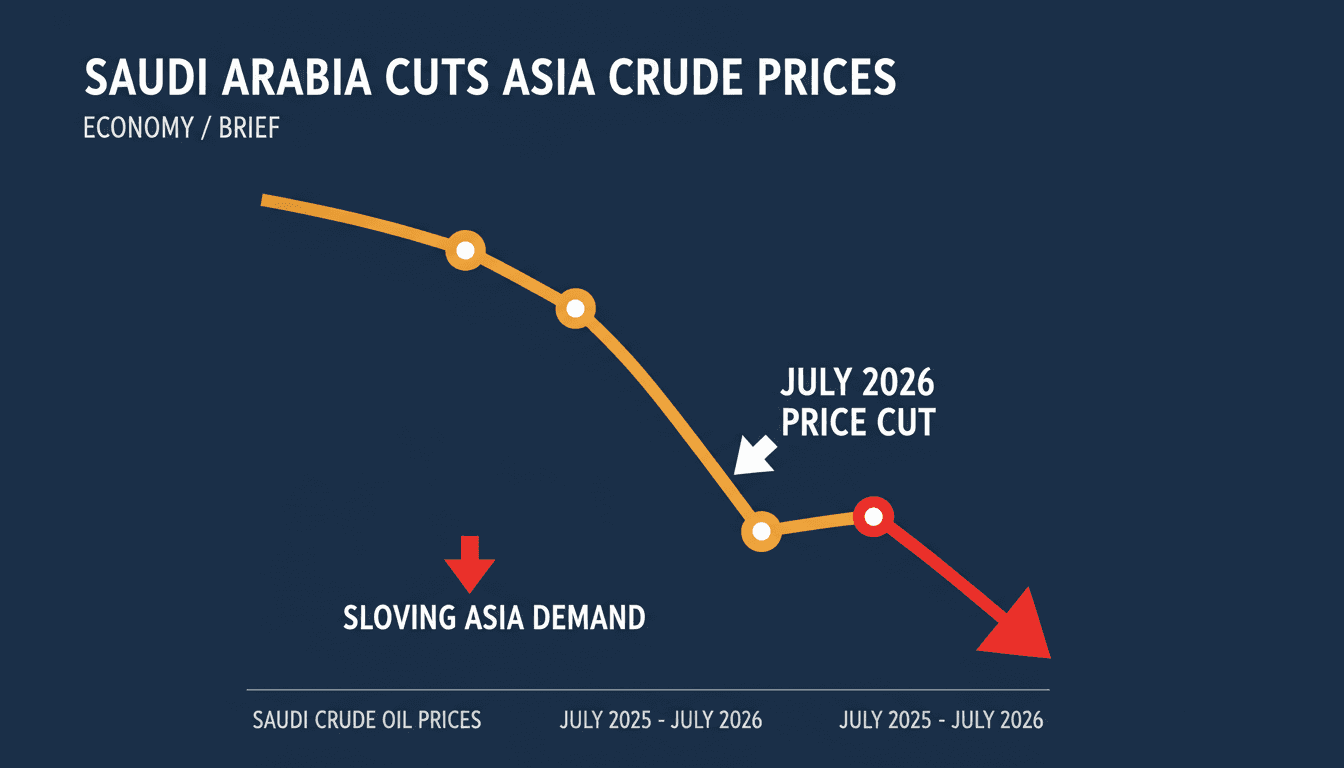
Saudi Arabia has officially reduced the selling price of its Arab Light crude oil for July 2026 loadings to Asia, marking the second consecutive month of price cuts. The new price is set at $9.50 above regional benchmarks, a significant decrease from the $15.50 premium established in June. This decision comes amid indications of slowing demand in the Asian market, prompting the kingdom to adjust its pricing strategy.
Despite the reduction, the prices remain historically high, reflecting ongoing demand dynamics in the region. The adjustments signal Saudi Arabia's responsiveness to market conditions, as it navigates the complexities of global oil demand.
The Context
The recent price cut aligns with market expectations amid fluctuating demand in Asia, a key region for crude oil consumption. The premium for Saudi crude remains near decades-high levels, indicating that while prices have been adjusted, the market is still robust. This situation highlights the delicate balance Saudi Arabia must maintain between maximizing revenue and responding to changing demand patterns.
As the world's largest oil exporter, Saudi Arabia's pricing decisions have significant implications for global oil markets. The timing of these cuts is critical, as they occur during a period of economic uncertainty and evolving demand trends, particularly in Asia.
Takeaway
Looking ahead, stakeholders should monitor global oil demand trends in Asia closely, as these will likely influence further pricing adjustments from Saudi Arabia in the coming months. The ongoing adjustments in oil pricing may signal shifts in global oil demand and supply dynamics, which could have lasting effects on the market.
As economic conditions evolve, Saudi Arabia's pricing strategies will likely continue to adapt, impacting both regional and global oil markets. Observers should remain alert to any announcements from the kingdom that may indicate future pricing strategies.
U.S. business news, corporate developments, and economy.
"The Wall Street Journal is respected for deep financial and economic reporting with a center-right editorial perspective."
— A47 Editor
Saudi Arabia Cuts July Crude Prices for Asia As Demand Slows
Saudi Arabia's state oil company, Aramco, has reduced the official selling price for July loadings of its Arab Light crude to Asia to $9.50 above regional benchmarks, down from a premium of $15.50 a barrel in June, reflecting a slowdown in demand.
Arabic-language coverage of international news and geopolitics.
"RT Arabic is a Russian state-funded outlet often criticized for promoting Kremlin-aligned narratives."
— A47 Editor
السعودية تعدل أسعار بيع نفطها
Saudi Arabia has reduced the official selling price of its light crude oil for buyers in Asia for July 2026, marking the second consecutive month of price adjustments in line with market expectations.
Global markets, investing, and macroeconomics from a premier financial newsroom.
"Bloomberg is respected for in-depth financial reporting and data-driven analysis."
— A47 Editor
Saudis Lower July Oil Prices, Though Still at Decades High
Saudi Arabia has reduced the price of its primary crude oil grade for Asia for the second consecutive month, although the price remains at levels not seen in decades. This adjustment reflects ongoing market dynamics and pricing strategies in the oil ...