
ECB Chief Economist Projects Persistent Eurozone Inflation Above Target
Here's what it means for you.
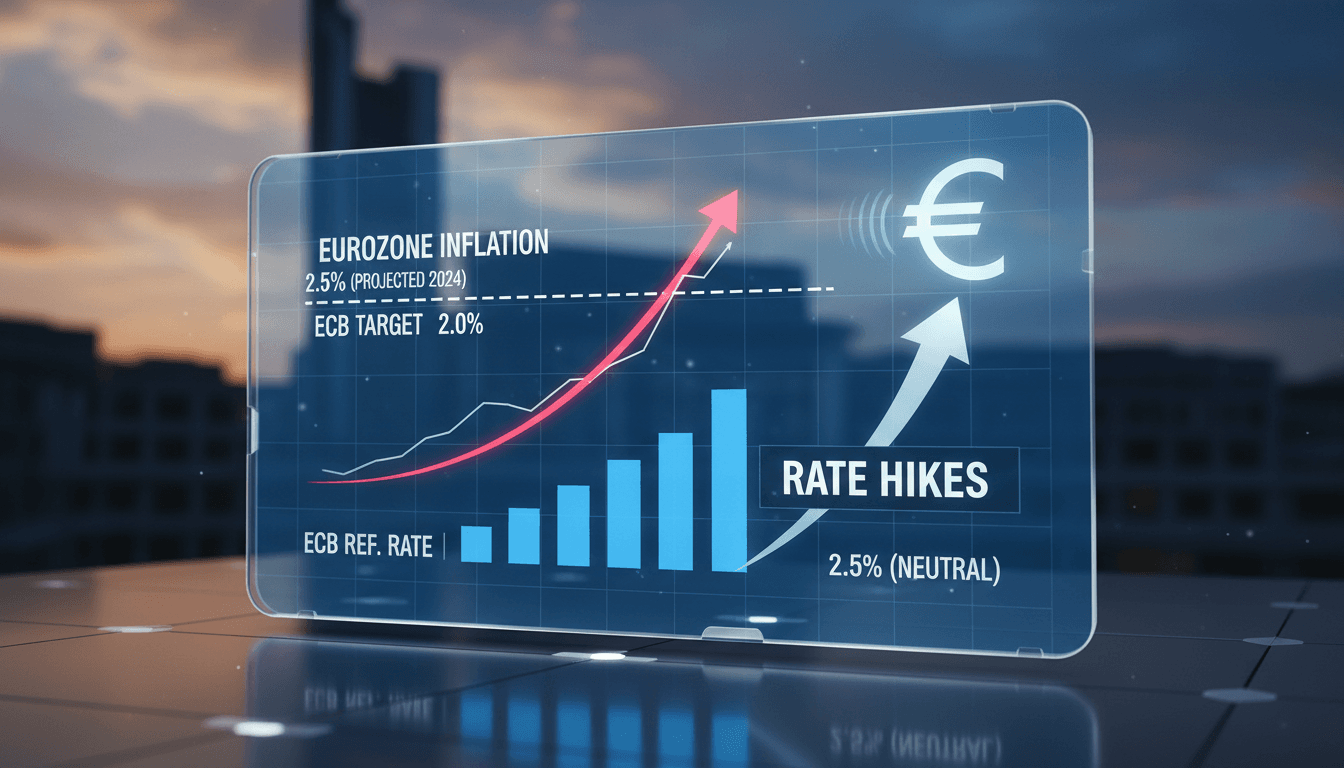
The European Central Bank's (ECB) outlook on inflation suggests that businesses and consumers should prepare for continued economic adjustments. With inflation projected to remain above the 2% target, interest rates may see further increases, impacting borrowing costs. This scenario could influence investment decisions and consumer spending patterns across the Eurozone. As the ECB navigates these inflationary pressures, stakeholders in the financial markets should remain vigilant. The potential for a neutral interest rate as high as 2.5% indicates a cautious approach to monetary policy, which could have lasting effects on economic growth.
What happened
Philip Lane, the Chief Economist of the European Central Bank, has confirmed that inflation in the Eurozone is expected to stay above the 2% target. This announcement follows the ECB's recent decision to raise interest rates, which Lane supports as a necessary measure. He indicated that despite recent declines in energy prices, inflationary pressures persist, warranting ongoing adjustments to monetary policy.
Lane also suggested that the neutral interest rate might be as high as 2.5%, a figure that could signal further rate hikes in the future. This perspective reflects the ECB's commitment to addressing inflation while balancing economic growth.
The Context
The Eurozone has been grappling with inflation that consistently exceeds the ECB's target of 2%. Lane's comments underscore the challenges faced by the central bank as it seeks to stabilize the economy. The decision to raise borrowing costs is seen as a justified response to these inflationary pressures, which have been exacerbated by various economic factors.
As the ECB evaluates its monetary policy, the implications of a potentially higher neutral interest rate could influence future rate hikes. This situation is critical for businesses and consumers alike, as it shapes the economic landscape in the Eurozone.
Takeaway
Looking ahead, the ECB is likely to continue monitoring inflation trends closely, with potential implications for interest rates and overall economic growth. Stakeholders should keep an eye on upcoming ECB meetings for indications of further rate adjustments. Additionally, tracking inflation trends will be essential for understanding the stability of the Eurozone economy.
As the situation evolves, the ECB's approach to monetary policy will play a crucial role in shaping the economic environment in the region.
Global markets, investing, and macroeconomics from a premier financial newsroom.
"Bloomberg is respected for in-depth financial reporting and data-driven analysis."
— A47 Editor
Lane Says It’s Hard to Argue ECB Shouldn’t Have Hiked Rates
European Central Bank Chief Economist Philip Lane stated that it is challenging to argue against the recent decision to raise borrowing costs, emphasizing the necessity of such action in the current economic climate.
Global political, business, and cultural coverage from WSJ international desks.
"The Wall Street Journal offers extensive international reporting with a reputation for financial insight and a center-right editorial stance."
— A47 Editor
ECB’s Chief Economist Sees Prolonged Period Of High Inflation
Eurozone inflation is projected to stay above the European Central Bank's (ECB) 2% target, as indicated by Chief Economist Philip Lane, despite a recent drop in energy prices. This persistent inflationary trend highlights ongoing economic challenges ...
Global markets, investing, and macroeconomics from a premier financial newsroom.
"Bloomberg is respected for in-depth financial reporting and data-driven analysis."
— A47 Editor
ECB’s Lane Says Upper Range of Neutral Has Crept Up to 2.5%
European Central Bank Chief Economist Philip Lane indicated that the neutral interest rate may have risen to 2.5%, suggesting that further rate hikes would not significantly hinder economic growth. This statement reflects the ECB's ongoing assessment...