
States Advance AI Regulations Amid Federal Opposition
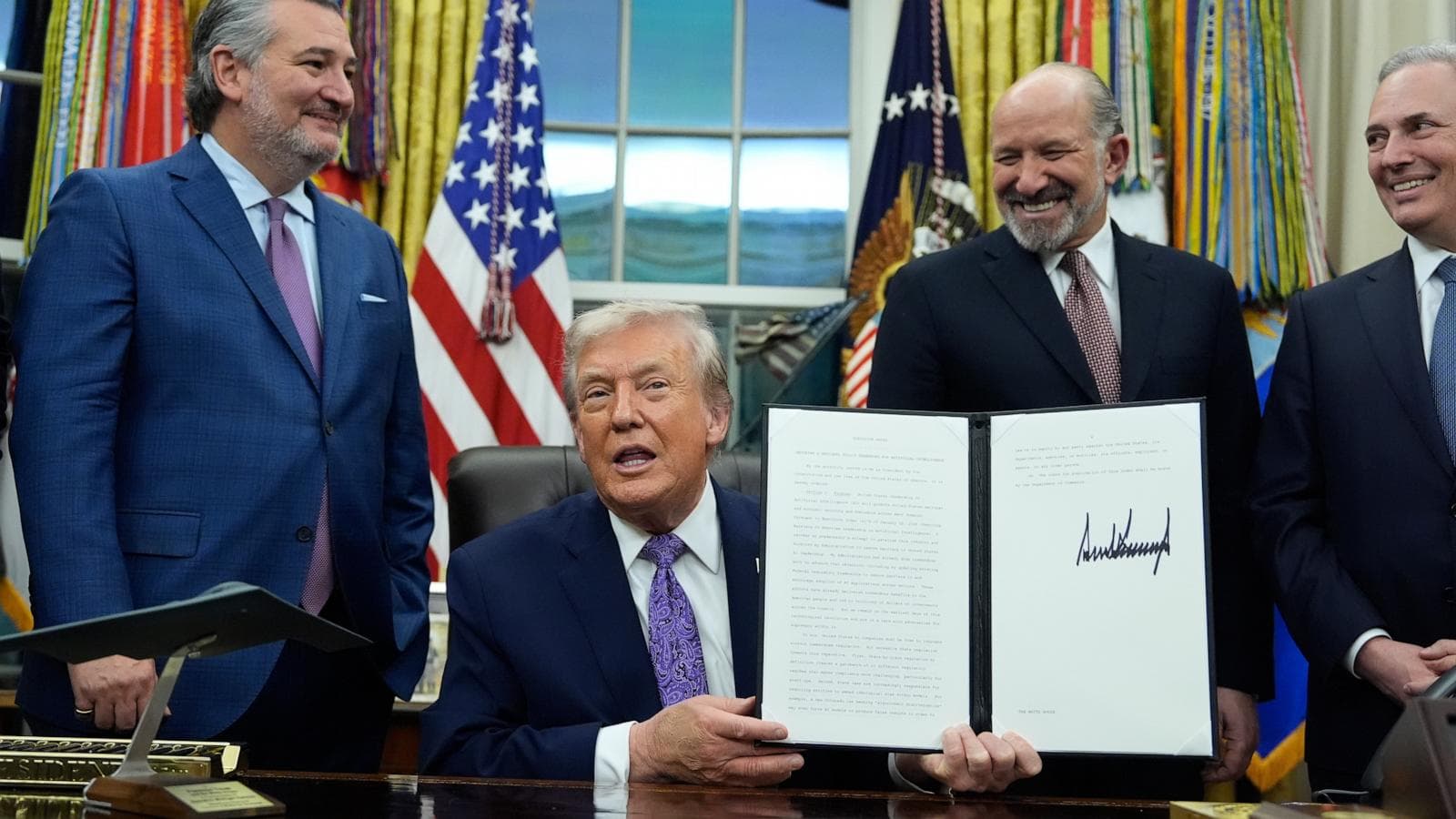
Here's what it means for you.
The recent movement by several states to implement their own artificial intelligence regulations signals a significant shift in governance. This trend reflects a bipartisan acknowledgment of the complexities surrounding AI technologies and the necessity for regulatory frameworks. As states take the lead, businesses and stakeholders must navigate a potentially fragmented landscape that could complicate compliance and innovation. The implications for the market are profound, as varying state regulations may create challenges for companies operating across state lines. Policymakers and industry leaders will need to engage in dialogue to harmonize these regulations and address the emerging challenges posed by AI.
What happened
In a notable development, several states have enacted their own artificial intelligence regulations despite warnings from President Trump against such actions. This year, six states, including Colorado, Connecticut, and Oregon, have passed laws aimed at governing AI technologies. This movement reflects a bipartisan effort to address the complexities of artificial intelligence governance amid federal hesitance.
President Trump previously signed an executive order on June 2, 2026, establishing a framework for AI security, but it did not impose strict regulations. The contrast between federal and state approaches highlights the urgency for governance in the rapidly evolving AI landscape.
The Context
The backdrop to this regulatory shift includes Trump's earlier warnings against state-level AI regulations, which aimed to create a unified national framework. However, states like Idaho, Iowa, and Nebraska have joined the movement, indicating a growing recognition of the need for localized governance. The timing of these developments is crucial, as the rapid advancement of AI technologies raises significant ethical and operational questions.
As states move forward with their own regulations, the potential for conflicts between state and federal policies increases. This fragmentation could lead to a complex regulatory environment that businesses must navigate, raising concerns about compliance and innovation in the AI sector.
Takeaway
Looking ahead, the trend of state-level AI regulation is likely to continue as lawmakers seek to address the challenges posed by emerging technologies. Potential legal challenges to these state regulations may arise, prompting further scrutiny and debate. Additionally, future federal responses to state-level governance will be critical in shaping the overall landscape of AI regulation.
Stakeholders should remain vigilant as the situation evolves, as the interplay between state and federal policies will significantly impact the future of artificial intelligence governance.
Latest AI/ML research news and breakthroughs.
"Aggregated research highlights across institutions."
— A47 Editor
Administration's AI security order acknowledges risks but stops short of regulating industry
President Donald Trump signed an executive order on June 2, 2026, establishing a framework for artificial intelligence (AI) security, which acknowledges the risks associated with AI but does not impose strict regulations on the industry. This order m...
Corporate leadership, finance, technology, and market trends.
"Fortune covers financial trends, leadership, and innovation with a pragmatic editorial approach."
— A47 Editor
Just months after Trump warned states not to regulate AI, Republican and Democratic lawmakers are doing it anyway
A mix of Republican- and Democratic-led states, including Colorado, Connecticut, Idaho, Iowa, Nebraska, and Oregon, have enacted laws regulating artificial intelligence (AI) despite former President Trump's earlier warnings against such state-level r...
Major U.S. developments and regional news.
"ABC News delivers broad national coverage with a mainstream editorial stance, focusing on accessibility and balanced reporting."
— A47 Editor
Trump tried to block state AI regulations, but some states are forging ahead
Six months after President Donald Trump cautioned states against regulating artificial intelligence, several states are moving forward with their own regulations. This shift indicates a growing recognition of the need for governance in the rapidly ev...