
Penn State researchers unveil painted e-tattoos as innovative wearable biosensors
Here's what it means for you.
The development of painted e-tattoos by Penn State researchers signifies a major leap in wearable technology, merging aesthetics with functionality. These innovative biosensors could transform personal health monitoring, making it more engaging and accessible for users. As the technology evolves, it may also enhance the capabilities of existing medical devices, paving the way for a new era in health management.
What happened
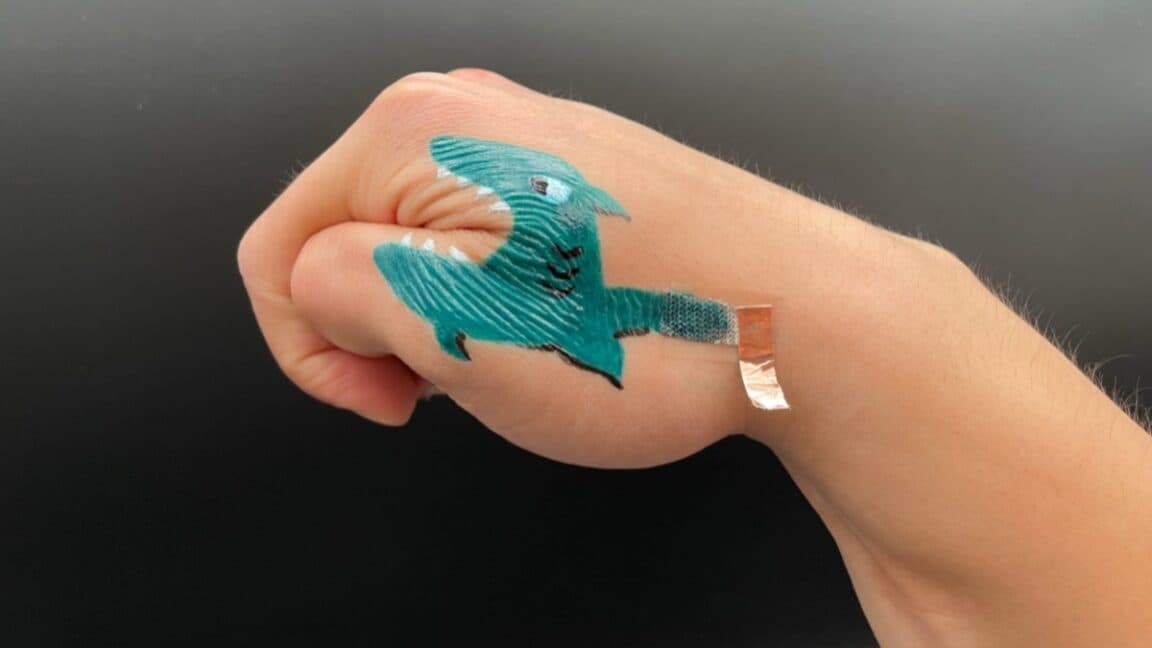
A team from Penn State has successfully created painted e-tattoos that serve as wearable biosensors capable of monitoring vital health metrics. Utilizing advanced conductive ink technology, these temporary tattoos can track multiple health indicators, including heart rate and brain activity. The colorful and customizable designs not only make them visually appealing but also functional in detecting medical emergencies.
This breakthrough represents a significant advancement in wearable technology, with the potential to power medical devices and improve health monitoring. The versatility of these sensors allows them to monitor three health metrics simultaneously, showcasing their innovative design and application.
The Context
The emergence of painted e-tattoos highlights the intersection of art and technology, offering a user-friendly approach to health monitoring. As the demand for personalized health solutions grows, these biosensors could play a crucial role in enhancing the functionality of wearable medical devices. The timing of this development aligns with ongoing advancements in biosensor technology, which aim to make health management more accessible.
Stakeholders in the healthcare and technology sectors are likely to take notice of this innovation, as it opens new avenues for patient engagement and monitoring. The potential applications of these e-tattoos extend beyond personal health, with implications for emergency medical response and prosthetic technology.
Takeaway
Looking ahead, the painted e-tattoos developed by Penn State could revolutionize how individuals manage their health and interact with medical technology. As research continues, we may see further advancements in biosensor technology that enhance user experience and functionality. The future applications of these wearable devices could lead to more advanced health monitoring solutions, making medical technology not only more effective but also more appealing to users.
The ongoing exploration of this technology will be crucial in determining its impact on personal health management and the broader medical landscape.
In-depth reporting on tech, policy, and science including AI.
"Respected analysis for technically savvy readers, including AI topics."
— A47 Editor
These painted e-tattoos could be the future of wearable biosensors
Researchers have developed painted e-tattoos using conductive ink that can be applied directly onto the skin, creating colorful custom designs that function as working electrodes for wearable biosensors. This innovative approach combines art and tech...
In-depth coverage of hardware, software, science, and policy.
"Ars Technica provides expert technology news, hardware reviews, and analysis for a technically savvy audience."
— A47 Editor
These painted e-tattoos could be the future of wearable biosensors
Researchers have developed painted e-tattoos using conductive ink that can be applied directly onto the skin, creating colorful custom designs that function as working electrodes for wearable biosensors. This innovative approach combines art and tech...
News in science and technology, with a focus on consumer and innovation stories.
"Popular Science simplifies complex scientific topics for general audiences and celebrates innovation."
— A47 Editor
New paint-on health sensors are as fun as face paint
Researchers have developed innovative paint-on health sensors that are colorful and customizable, capable of monitoring vital signs such as heart rate and brain activity. This technology merges fun with functionality, making health monitoring more en...
Latest tech news, product reviews, and analysis for consumers and professionals.
"CNET delivers accessible and detailed technology reporting, including trusted product reviews and how-to guides."
— A47 Editor
Temporary Tattoos May One Day Power Your Wearable Medical Devices
Researchers at Penn State have developed temporary tattoos that may eventually be used to power wearable medical devices, potentially aiding in the detection of heart attacks and enhancing robotic prosthetics.