
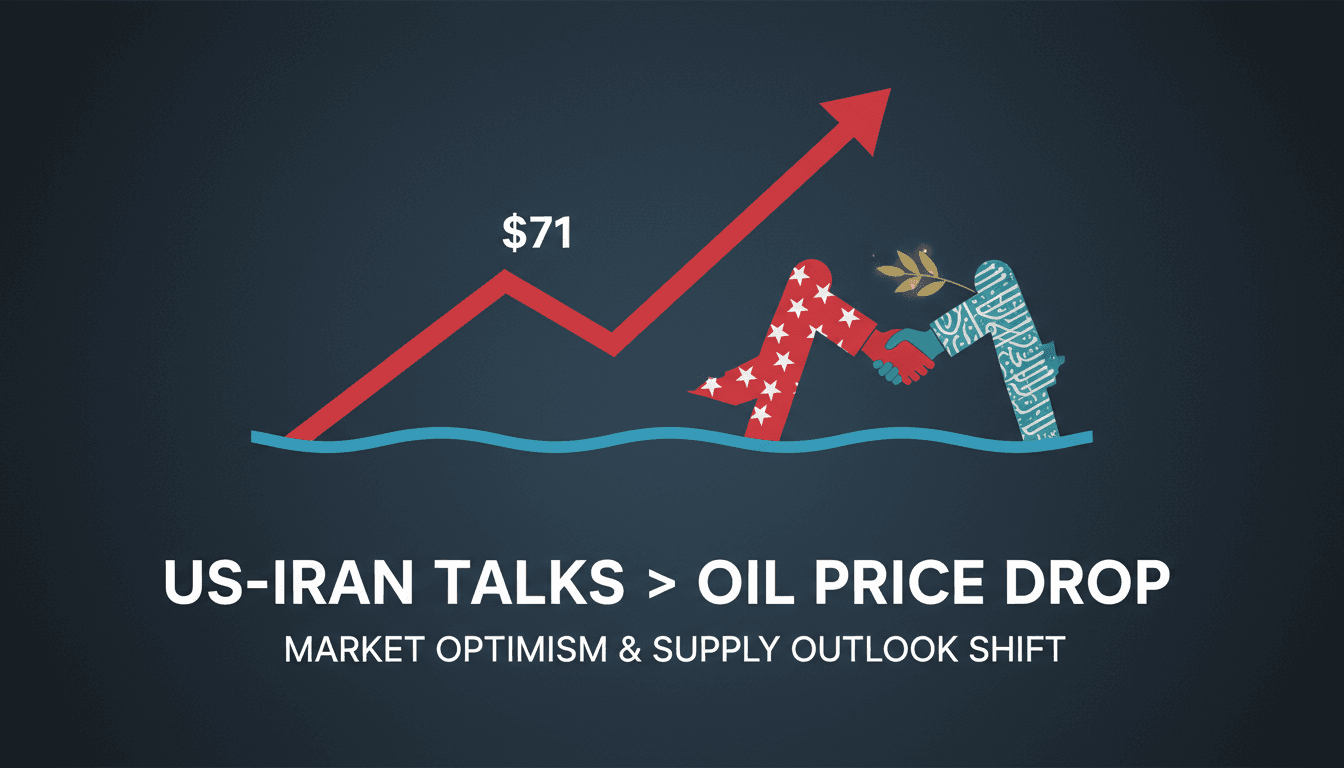
Oil prices drop below $71 amid positive US-Iran negotiations
Here's what it means for you.
The recent decline in oil prices below $71 signals a shift in market sentiment, largely influenced by the ongoing US-Iran negotiations. As these talks progress, the potential for improved relations and increased oil exports from the Gulf could reshape supply dynamics. This development may lead to further fluctuations in oil prices, impacting both consumers and businesses reliant on stable energy costs. Market participants are closely monitoring these diplomatic efforts, as any positive outcomes could enhance supply and stabilize prices. The implications extend beyond immediate market reactions, potentially affecting global energy policies and economic forecasts.
What happened
Oil prices have fallen below $71 as negotiations between the United States and Iran concluded with indications of positive progress. The discussions, held in Doha, aimed to address longstanding tensions between the two nations. Reports from Qatar's Foreign Ministry suggested that the talks were fruitful, prompting market reactions to the potential for increased Gulf oil exports.
This decline in oil prices reflects a broader market sentiment, as traders respond to the possibility of improved relations between the US and Iran. The price point of $71 is significant, marking a psychological threshold for traders and indicating a shift in market dynamics.
The Context
The ongoing negotiations between the US and Iran are critical in shaping the geopolitical landscape of the Gulf region. These talks are particularly relevant given the historical tensions that have influenced oil markets for years. The potential for increased Gulf oil exports could alleviate some supply constraints, which have been a concern for global markets.
As the situation evolves, stakeholders including governments, oil companies, and consumers are all affected by these developments. The timing of the negotiations coincides with a period of heightened volatility in oil prices, making the outcomes of these discussions even more significant.
Takeaway
Looking ahead, market participants should closely monitor further developments from the US-Iran negotiations. The outcomes of these talks could lead to additional fluctuations in oil prices as the market adjusts to new geopolitical realities. Changes in Gulf oil exports will also be crucial in determining the future trajectory of global oil prices.
As the diplomatic efforts continue, the oil market is likely to remain sensitive to any shifts in supply dynamics. Stakeholders should prepare for potential impacts on pricing and availability as these negotiations unfold.
Regional coverage and analysis focused on politics, diplomacy, and business across the Middle East.
"Al-Monitor is known for analytical reporting on Middle East politics and policy developments."
— A47 Editor
Oil falls below $71 as US-Iran talks continue, Gulf exports rebound
Oil prices have fallen below $71 a barrel as indirect talks between the United States and Iran in Doha have shown positive progress, according to a spokesperson from Qatar's Foreign Ministry. This decline in oil prices marks a significant shift, refl...
Oil, metals, and agriculture: supply/demand headlines, OPEC chatter, inventories, and price action.
"Solid tape for energy and metals traders tracking macro and micro catalysts."
— A47 Editor
Oil falls after US, Iran talks conclude in Doha
Oil prices have declined following the conclusion of talks between the U.S. and Iran in Doha, reflecting market reactions to the ongoing geopolitical tensions. The discussions aimed to address the hostilities that have escalated in recent months, imp...
Pan-Arab news coverage spanning politics, business, sports, and regional affairs.
"Asharq Al-Awsat reflects a broad Arab editorial perspective with strong attention to regional geopolitics."
— A47 Editor
«دبلوماسية الدوحة» والهدنة الهشة تهبطان بالنفط نحو مستويات ما قبل الحرب
Oil prices declined on Tuesday, marking a potential second consecutive monthly drop, as investors await the possibility of talks between the United States and Iran. This decline is attributed to the fragile ceasefire and diplomatic efforts from Doha.