
Vessels Navigate Strait of Hormuz Stealthily Amid Rising Tensions
Here's what it means for you.
The recent shift in maritime navigation tactics in the Strait of Hormuz underscores the escalating risks faced by vessels in this critical waterway. As oil and gas tankers adopt stealth measures to evade Iranian forces, the implications for global energy markets could be significant. Increased maritime security measures may become necessary, potentially leading to higher operational costs and disruptions in oil supply. The situation highlights the delicate balance of international relations in the region, where military presence and strategic navigation are becoming increasingly intertwined. Stakeholders in the energy sector should remain vigilant as these developments unfold.
What happened
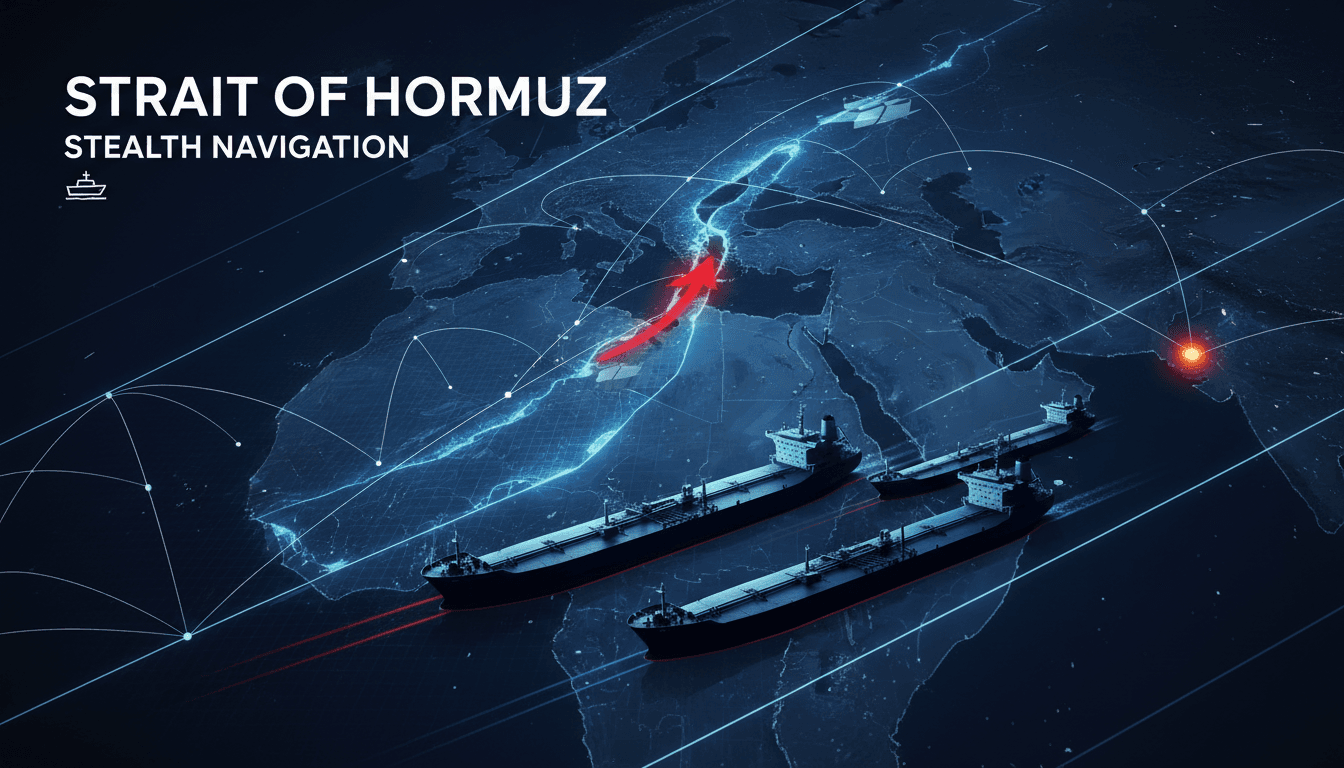
A growing number of vessels, including oil and gas tankers, are now navigating the Strait of Hormuz under the cover of darkness. This tactic is employed to evade detection by Iranian forces, particularly fast-attack boats that pose a significant threat to maritime safety. Reports indicate that these ships are turning off their lights and automatic navigation systems to enhance their stealth.
U.S. military assistance is being utilized to support these vessels during their transit through the strategically important waterway. The increasing number of ships adopting this method reflects the heightened tensions in the region and the urgent need for enhanced safety measures.
The Context
The Strait of Hormuz is a critical chokepoint for global oil and gas shipments, responsible for approximately 20% of the world's oil trade. The presence of Iranian fast-attack boats has raised alarms among shipping companies, prompting them to take drastic measures to ensure the safety of their vessels. The U.S. military's involvement in providing support further emphasizes the strategic importance of this maritime route.
As tensions continue to rise, the implications for international relations and energy markets are profound. The ongoing situation necessitates close monitoring, as any escalation could disrupt global oil supplies and impact prices.
Takeaway
The ongoing tensions in the Strait of Hormuz may lead to increased maritime security measures and further military involvement in the region. Stakeholders should be prepared for potential escalations that could affect shipping routes and global oil prices. The reliance on stealth navigation tactics highlights the precarious nature of maritime security in this vital area.
As the situation evolves, the international community will need to assess the implications for energy markets and consider the potential for increased military presence in the region. The developments in the Strait of Hormuz will remain a focal point for analysts and policymakers alike.
Pan-Arab news coverage spanning politics, business, sports, and regional affairs.
"Asharq Al-Awsat reflects a broad Arab editorial perspective with strong attention to regional geopolitics."
— A47 Editor
متسللة في الظلام... كيف تخرج السفن من مضيق هرمز؟
Despite the perception that the Strait of Hormuz is closed, some vessels, in collaboration with the U.S. military, have found ways to navigate through it, as reported by The Wall Street Journal. This situation highlights the complexities of maritime ...
Corporate leadership, finance, technology, and market trends.
"Fortune covers financial trends, leadership, and innovation with a pragmatic editorial approach."
— A47 Editor
Damn the torpedoes — More ships are quietly slipping through the Strait of Hormuz as helicopters scare off Iran’s fast-attack boats
More ships are navigating the Strait of Hormuz undetected by Iran's fast-attack boats by turning off their Automatic Identification Systems. This tactic allows vessels to avoid detection while sailing through this strategically vital waterway. Recent...
Global political, business, and cultural coverage from WSJ international desks.
"The Wall Street Journal offers extensive international reporting with a reputation for financial insight and a center-right editorial stance."
— A47 Editor
Ships Are Sailing ‘Dark’ to Sneak Out of Strait of Hormuz
A small number of vessels, including significant oil and gas tankers, are navigating the perilous Strait of Hormuz with assistance from the U.S. military, often operating with lights and automatic navigation systems turned off to avoid detection. Thi...