
Australia mandates LNG producers to reserve 20% of exports for domestic use
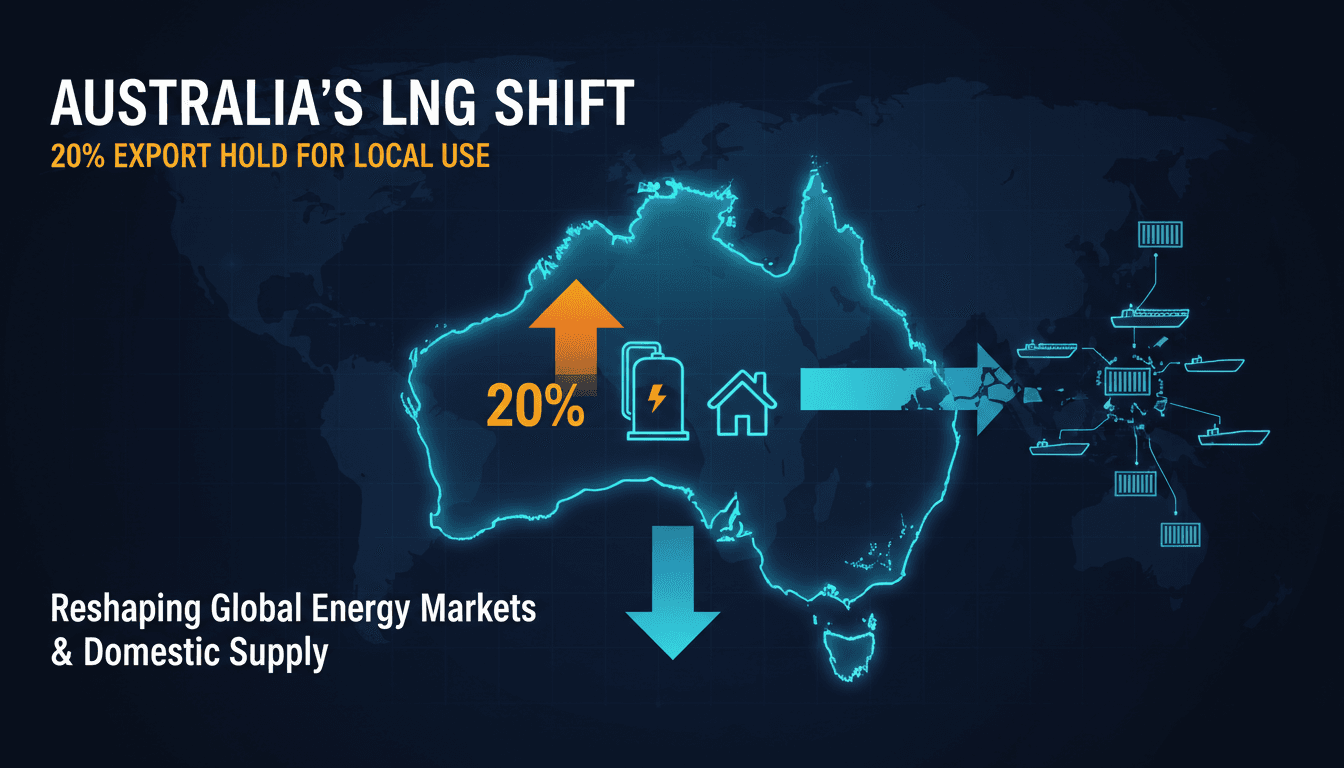
Here's what it means for you.
Australia's new policy requiring liquefied natural gas (LNG) producers to reserve 20% of their exports for domestic use signifies a strategic shift towards enhancing local energy security. This move is particularly relevant as the nation grapples with rising energy demand and potential supply shortages. Stakeholders in the energy sector, including producers and consumers, will need to navigate the implications of this regulation on pricing and availability. The decision could reshape the dynamics of the global LNG market, influencing how Australia positions itself as an exporter. As the policy takes effect, it will be crucial for industry players to assess compliance and the potential impact on existing contracts.
What happened
Australia has announced a new requirement mandating LNG producers to allocate 20% of their exports for local consumption. This regulation applies to all existing contracts and projects, aiming to address anticipated energy supply shortages. The government’s decision reflects a proactive approach to securing energy supplies amid increasing demand.
By reserving a portion of LNG exports for domestic use, Australia seeks to ensure that local energy needs are met. This policy is expected to exert additional pressure on producers as they adjust their operations to comply with the new requirements.
The Context
The new regulation is part of Australia's broader strategy to secure energy supplies in light of growing demand. As energy consumption rises, the government recognizes the need to prioritize local needs over international exports. This requirement will affect all LNG projects and existing contracts, marking a significant shift in the country's energy policy.
The announcement has garnered attention from various stakeholders, including energy producers and market analysts, who are closely monitoring its implications. The timing of this policy is critical, as Australia faces potential energy shortages that could impact both consumers and the economy.
Takeaway
As Australia implements this new regulation, the effects on domestic energy security and international LNG markets will be closely observed. Industry reactions regarding compliance and the potential impacts on export contracts will be pivotal in shaping the future landscape of LNG exports.
Updates on Australia's energy supply situation and any further regulatory changes will also be essential to watch. The long-term implications of this policy could influence pricing and supply chains in the global LNG market.
Arabic-language political and world news coverage for UAE readers.
"Emarat Al Youm world coverage usually presents international developments through a UAE and Arab audience lens."
— A47 Editor
أستراليا تعتزم إلزام منتجي الغاز بتخصيص 20% من صادراتهم للسوق المحلية أستراليا تعتزم إلزام منتجي الغاز بتخصيص 20% من صادراتهم للسوق المحلية
Australia plans to mandate that liquefied natural gas producers allocate 20% of their exports to the domestic market to address the anticipated energy supply shortage. This requirement will apply to all projects involved in gas production.
Pan-Arab news coverage spanning politics, business, sports, and regional affairs.
"Asharq Al-Awsat reflects a broad Arab editorial perspective with strong attention to regional geopolitics."
— A47 Editor
أستراليا تعتزم إلزام منتجي الغاز الطبيعي بتخصيص 20 % من صادراتهم للسوق المحلية
Australia plans to mandate that liquefied natural gas producers allocate 20% of their exports to the domestic market, affecting all existing projects and contracts. This decision aims to strengthen local supply and ensure that a portion of natural ga...
Global markets, investing, and macroeconomics from a premier financial newsroom.
"Bloomberg is respected for in-depth financial reporting and data-driven analysis."
— A47 Editor
Australia to Include Existing LNG Contracts in Reservation
Australia has announced that its requirement for liquefied natural gas (LNG) producers to reserve 20% of their exports for domestic use will now apply to all projects and existing contracts. This decision is expected to increase pressure on LNG produ...