
Trump administration proposes new tariffs on Brazil and over 60 countries
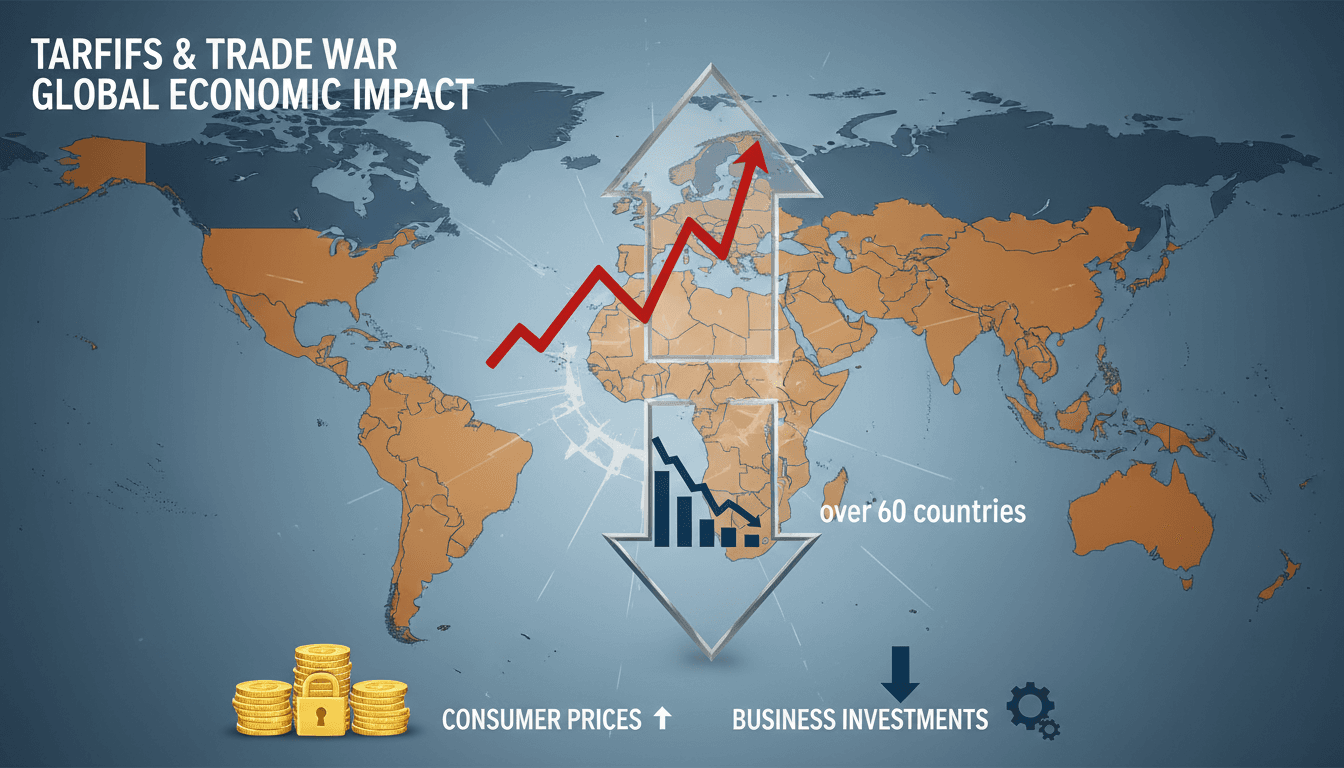
Here's what it means for you.
The Trump administration's proposal for new tariffs could significantly impact consumer prices and business investments. With tariffs potentially reaching up to 25%, the cost of imported goods may rise, affecting everyday purchases. This move also signals a shift in trade policy, emphasizing enforcement against countries accused of forced labor. As these tariffs take effect, businesses may face increased operational costs, which could lead to hiring freezes or reduced investment in growth. The broader implications for international trade relationships could also create uncertainty in the market.
What happened
The Trump administration has announced new tariffs targeting Brazil and over 60 other nations. This decision follows a court ruling that challenged existing trade policies, prompting the administration to revive tariffs as a tool against countries accused of using forced labor. The proposed tariffs could reach up to 25%, significantly increasing import costs.
The announcement was made on June 6, 2026, and includes accusations against these countries for failing to ban goods produced with forced labor. This marks a notable escalation in ongoing trade tensions, as the administration seeks to bolster its trade agenda.
The Context
The proposed tariffs are part of a broader strategy to create trade measures that withstand legal scrutiny. By leveraging accusations of forced labor, the administration aims to justify these tariffs and address concerns about labor practices in foreign countries. The timing of this announcement is critical, as it comes in response to legal challenges that have previously hindered trade measures.
These tariffs target countries that supply nearly all U.S. imports, indicating a significant shift in trade dynamics. Stakeholders, including businesses and consumers, will need to navigate the potential repercussions of these tariffs on the economy and international relations.
Takeaway
As the Trump administration pushes forward with these tariffs, the economic landscape may shift dramatically. Increased consumer prices are likely, which could hinder business investment and hiring practices. It will be essential to monitor the responses from affected countries and any potential retaliatory measures they may take.
Additionally, watching economic indicators will provide insight into how these tariffs impact the U.S. economy moving forward. The unfolding situation will require close attention from policymakers and market analysts alike.
Corporate finance news, M&A, deals, and executive interviews.
"Finance Monthly serves a professional readership with corporate finance coverage."
— A47 Editor
Trump Tariff Revival Fuels Fears Jobs and Investment Could Slow
The Trump administration has announced the imposition of new tariffs on Brazil and over 60 other countries, following a court ruling that undermined its previous trade policies. This revival of tariffs raises concerns about increased import costs, wh...
Global markets, investing, and macroeconomics from a premier financial newsroom.
"Bloomberg is respected for in-depth financial reporting and data-driven analysis."
— A47 Editor
US Proposes New Tariffs Over Forced Labor
The Trump administration has proposed new tariffs on 60 nations, citing their failure to enforce bans on goods produced with forced labor. This initiative aims to address human rights concerns while impacting a significant portion of U.S. imports.
Editor-curated FT homepage stories spanning markets, business, world, and opinion.
"The Financial Times is a globally respected business publication with a centrist/center-left tone and strong markets focus."
— A47 Editor
Trump relaunches tariffs war after court struck down levies
Former President Donald Trump has reinitiated a tariff strategy following a court's decision to strike down previous levies, aiming to establish a framework of trade measures that can withstand legal scrutiny. This move includes proposed tariffs of a...