
DDR2 memory prices surge by up to 60% driven by AI demand
Here's what it means for you.
The surge in DDR2 memory prices reflects a significant shift in the technology landscape, driven primarily by the increasing demand from AI data centers. This trend indicates that businesses relying on legacy technologies may face higher operational costs as memory prices continue to rise. Stakeholders in the tech industry should prepare for potential supply chain disruptions and increased expenses as the market adjusts to these changes. As AI applications expand, the implications for both new and legacy memory technologies will be profound. Companies must stay vigilant in monitoring these trends to adapt their strategies accordingly.
What happened
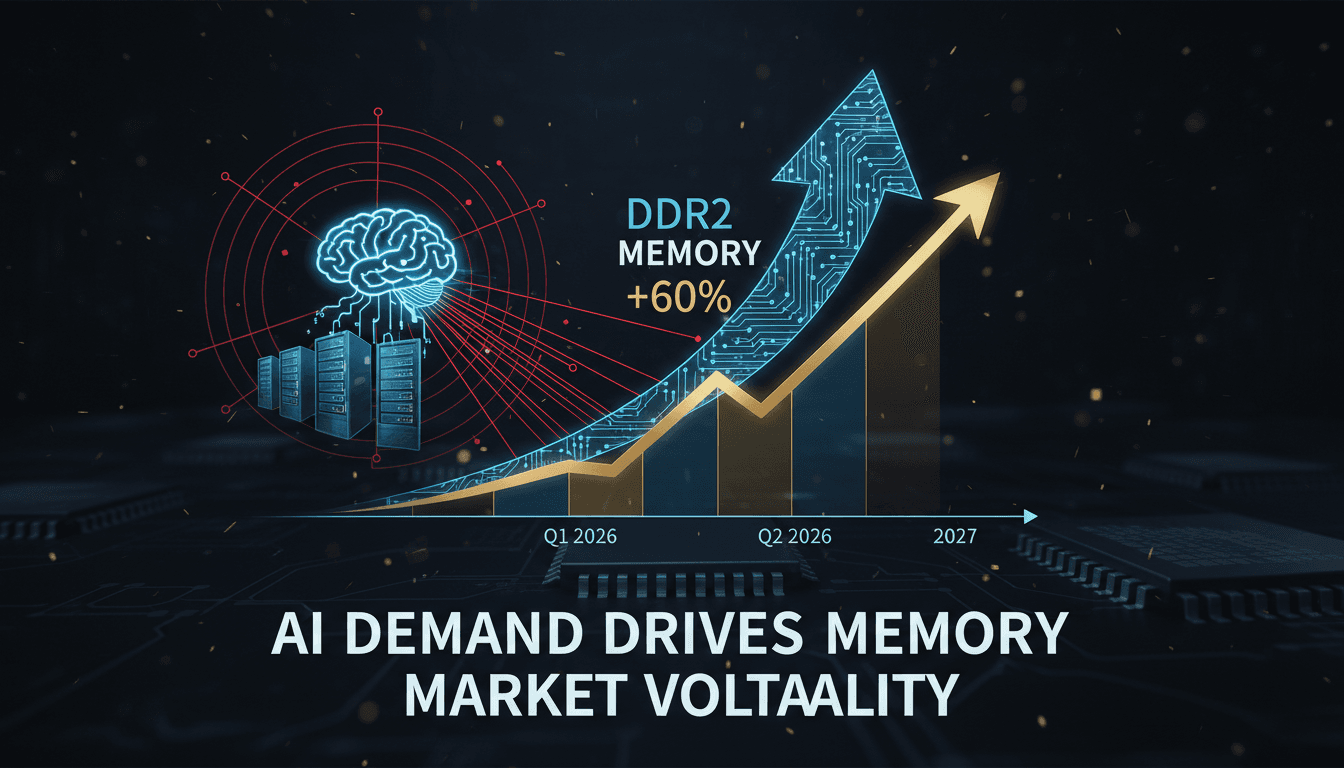
In Q2 2026, DDR2 memory prices experienced a dramatic increase of 55 to 60 percent, largely due to heightened demand from AI-driven applications. This surge is part of a broader trend affecting various DRAM memory types, as AI data centers are projected to consume a staggering 70 percent of all memory chips produced this year. The price hikes are not limited to DDR2; other generations, including DDR3 and DDR4, are also witnessing significant increases.
Forecasts suggest that DDR2 prices may rise further by an additional 35 to 40 percent in Q3 2026. This ongoing volatility in the memory market underscores the impact of AI on even older technologies.
The Context
The current surge in DDR2 memory prices is a direct consequence of the growing demand for AI infrastructure. As AI data centers expand, they are consuming an unprecedented share of the memory chip supply, which has historically included legacy technologies like DDR2, introduced in 2003. This shift highlights the evolving landscape of technology, where even older components are being repurposed to meet modern demands.
The memory market is under pressure as manufacturers struggle to keep pace with the rapid growth of AI applications. The implications of this trend extend beyond immediate price increases, potentially leading to long-term volatility and supply challenges in the memory chip sector.
Takeaway
As the demand for AI continues to escalate, the memory market is likely to experience ongoing pressure and volatility. Companies should monitor the impact of AI on other legacy technologies, as similar trends may emerge across various sectors. Additionally, stakeholders should be prepared for potential supply chain adjustments that could further influence memory chip availability and pricing.
The landscape of memory technology is shifting, and businesses must adapt to these changes to remain competitive. Keeping an eye on these developments will be crucial for strategic planning in the tech industry.
Consumer tech news, reviews, and buying guides for gadgets and electronics.
"TechRadar is known for comprehensive buying advice, hardware reviews, and consumer tech news targeted at mainstream audiences."
— A47 Editor
Price of 25-year-old DDR2 memory set to more than double — thanks to AI-driven RAM-armageddon
The price of 25-year-old DDR2 memory is projected to more than double due to a surge in demand driven by AI infrastructure, which is consuming a significant portion of advanced DRAM supply, including DDR4 and DDR3 generations.
Enterprise-focused AI news and analysis.
"Practical AI strategies and tools for IT leaders."
— A47 Editor
Why your RAM options cost 4X more now than last year - even legacy tech prices aren't immune
The price of RAM options has surged to four times higher than last year, driven by the overwhelming demand from AI data centers, which are expected to consume 70% of all memory chips produced this year. This significant increase reflects ongoing supp...
Business tech news, enterprise IT, and innovation analysis.
"ZDNet offers enterprise IT news, reviews, and strategy guidance."
— A47 Editor
Why your RAM options cost 4X more now than last year - even legacy tech prices aren't immune
The price of RAM options has surged to four times higher than last year, driven by the overwhelming demand from AI data centers, which are expected to consume 70% of all memory chips produced this year. This significant increase reflects ongoing supp...
Opinionated AI coverage for general audiences.
"TNW’s AI vertical covering tools, ethics, and trends."
— A47 Editor
The AI memory crisis just hit DDR2, a standard from 2003, with 60% price hikes
The AI-driven memory shortage has now impacted DDR2, a legacy DRAM standard from 2003, with contract prices surging by 55 to 60 percent in Q2 2026, and further increases of 35 to 40 percent expected in Q3. This price hike is attributed to the escalat...