
Trump Abandons Proposed Toll on Strait of Hormuz in Favor of Diplomatic Engagement with Gulf States
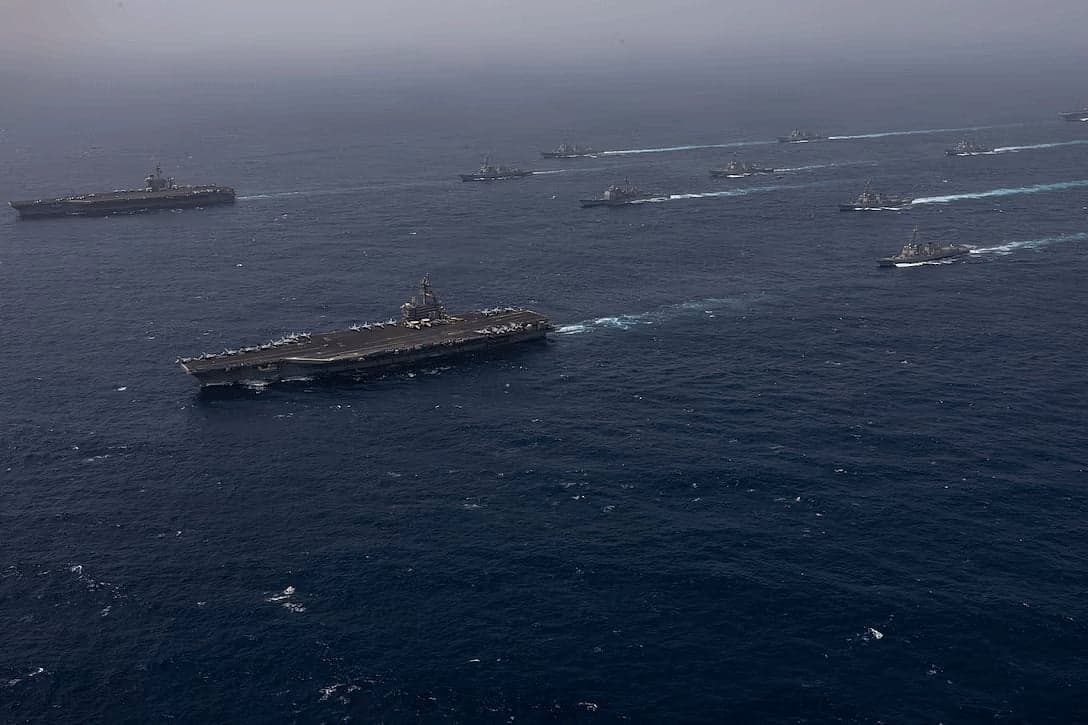
Here's what it means for you.
President Trump's decision to abandon the proposed toll on ships passing through the Strait of Hormuz signals a strategic pivot towards diplomatic engagement with Gulf states. This move is likely to enhance regional partnerships, which could stabilize oil supply routes critical to global markets. As tensions with Iran continue, the U.S. aims to balance security measures with diplomatic efforts, impacting both geopolitical dynamics and economic considerations. The implications of this shift extend beyond immediate regional stability, potentially influencing global oil prices and trade routes. Stakeholders in the energy sector should monitor developments closely as the U.S. navigates its relationships in the Middle East.
What happened
President Trump has reversed his earlier decision to impose a 20% toll on vessels transiting the Strait of Hormuz. Instead, he is now focusing on forging diplomatic agreements with Gulf allies. This change comes in the context of rising tensions in the region and the reimposition of a naval blockade on Iranian ports by the U.S.
The abandonment of the toll reflects a strategic choice to strengthen partnerships with Gulf states rather than impose financial burdens on maritime trade. The U.S. aims to enhance its influence in the region while managing ongoing conflicts with Iran.
The Context
Initially, the U.S. planned to impose a toll on vessels passing through the vital Strait of Hormuz, a key maritime route for global oil supplies. However, the influence of Gulf allies played a significant role in Trump's decision to abandon this plan. The reimplementation of a naval blockade on Iranian ports further complicates the geopolitical landscape, highlighting the delicate balance the U.S. must maintain in its foreign policy.
This shift in strategy underscores the importance of regional alliances in addressing security concerns and economic interests. As tensions with Iran persist, the U.S. is likely to prioritize diplomatic engagement to foster stability in the Gulf region.
Takeaway
Looking ahead, the U.S. is expected to continue seeking stronger alliances with Gulf states while managing its complex relationship with Iran. Observers should watch for potential reactions from Iran regarding the renewed naval blockade, as well as further developments in U.S.-Gulf state diplomatic relations. The focus on diplomacy may lead to new agreements that could reshape the security dynamics in the region.
As the situation evolves, the interplay between military presence and diplomatic efforts will be crucial in determining the future stability of the Gulf and its impact on global oil markets.
UAE-based newspaper covering Gulf politics, society, and international developments.
"Gulf News is one of the UAE’s most prominent English-language publications."
— A47 Editor
How Gulf allies shaped Trump’s dramatic Hormuz fee U-turn
Former President Donald Trump has reversed his proposal to impose a 20% toll on cargo ships passing through the Strait of Hormuz, a vital maritime route for global oil transportation, opting instead to pursue investment deals with Gulf allies. This d...
A curated Gulf News feed featuring major stories across news, business, opinion, and lifestyle.
"Gulf News is a major UAE newspaper whose featured stories feed reflects a broad editorial mix shaped for a Gulf audience."
— A47 Editor
How Gulf allies shaped Trump’s dramatic Hormuz fee U-turn
Former President Donald Trump has reversed his proposal to impose a 20% toll on cargo ships passing through the Strait of Hormuz, a vital maritime route for global oil transportation, opting instead to pursue investment deals with Gulf allies. This d...
UAE-based English-language newspaper covering regional politics, economics, and global affairs.
"The National reflects Emirati policy perspectives while maintaining international editorial standards."
— A47 Editor
Trump drops 20% Hormuz toll in favour of deals with Gulf states
Former President Donald Trump has decided to abandon his proposed 20% toll on cargo ships passing through the Strait of Hormuz, opting instead to pursue investment deals with Gulf states. This shift comes amid rising tensions with Iran and follows hi...
UAE-based English-language newspaper covering regional politics, economics, and global affairs.
"The National reflects Emirati policy perspectives while maintaining international editorial standards."
— A47 Editor
Iran war latest: US reimposes naval blockade on Iranian ports
The United States has reinstated a naval blockade on Iranian ports, a move announced by President Donald Trump amid escalating tensions between the two nations. This blockade includes a 20% toll on all cargo passing through the strategically signific...