
Oil prices decline amid U.S.-Iran diplomatic discussions
Here's what it means for you.
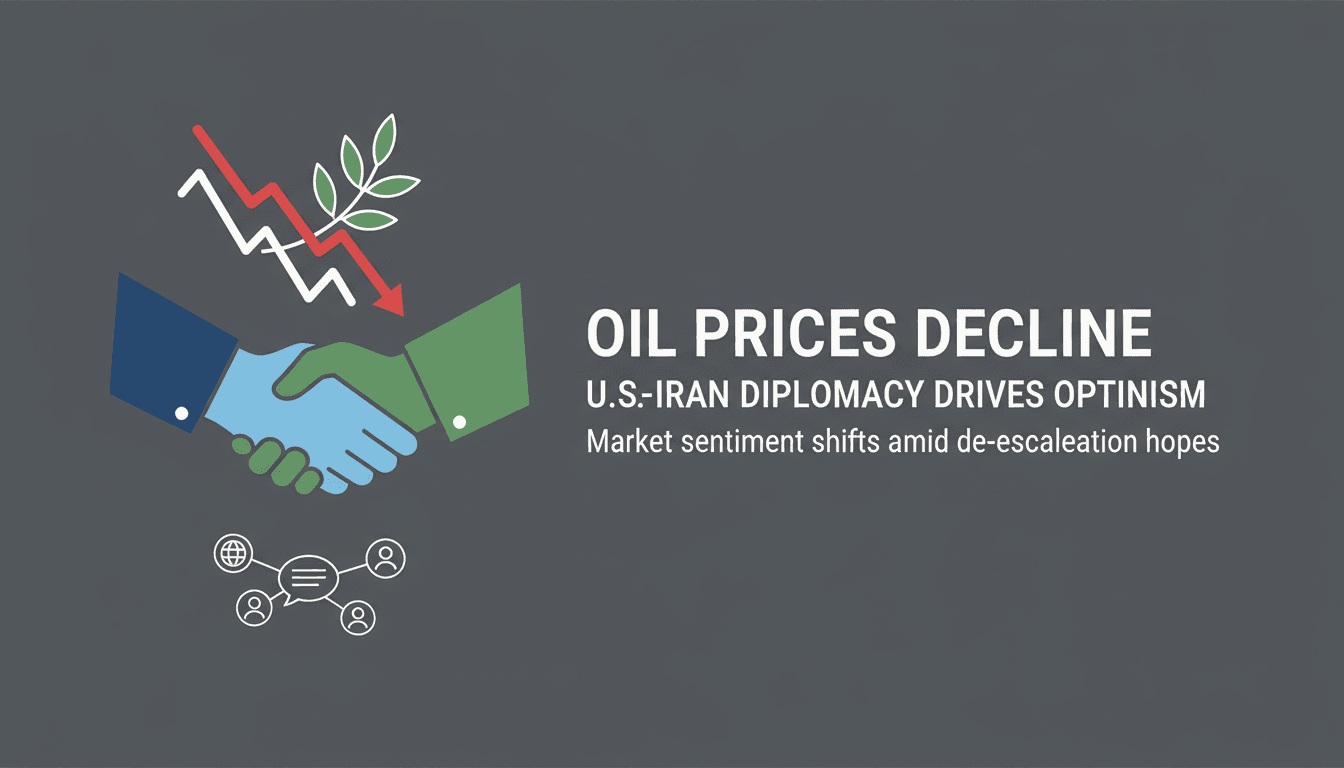
The recent decline in oil prices signals a shift in market sentiment, driven by optimism surrounding U.S.-Iran diplomatic discussions. As fears of renewed conflict ease, stakeholders in the energy sector may find opportunities for stabilization in pricing. This development could influence inflationary pressures and overall economic conditions, particularly in oil-dependent markets. Investors and policymakers should closely monitor these diplomatic efforts, as their success or failure will significantly impact oil market dynamics. A successful resolution could lead to a more stable energy landscape, while setbacks may reignite volatility.
What happened
Oil prices fell nearly 3% at settlement on June 4, 2026, as market expectations shifted towards a potential diplomatic resolution to the ongoing U.S.-Iran conflict. This decline reflects traders' growing optimism about the possibility of reduced tensions in the Middle East. The decrease in prices is attributed to hopes for an end to the conflict, which has long influenced oil market stability.
Both U.S. and Iranian officials are currently engaged in discussions aimed at bridging their differences. The market's reaction underscores the sensitivity of oil prices to geopolitical developments, particularly those involving major oil-producing nations.
The Context
The ongoing diplomatic discussions between the U.S. and Iran are crucial in shaping the future of oil prices. As these talks progress, market reactions are increasingly influenced by the potential for reduced conflict in the region. Concerns about inflationary impacts from the Iran War continue to loom, affecting overall market sentiment.
The timeline of events indicates that the situation is fluid, with developments expected to unfold rapidly. Stakeholders in the oil market are keenly aware that any agreements or escalations will have immediate repercussions on pricing and supply dynamics.
Takeaway
The outlook for oil prices remains contingent on the success of the ongoing diplomatic negotiations between the U.S. and Iran. If these efforts yield positive results, oil prices may stabilize or even rise as tensions ease. Conversely, any setbacks in negotiations could lead to renewed volatility in the market.
Market participants should remain vigilant, monitoring further developments in U.S.-Iran relations. The potential for significant shifts in oil pricing underscores the importance of these diplomatic discussions in shaping the energy landscape.
Business, investment, entrepreneurship, leadership, and innovation.
"Forbes is known for its coverage of business leaders, market trends, and entrepreneurial ventures with a pro-business editorial stance."
— A47 Editor
Oil Prices End The Week Lower On U.S.-Iran Diplomatic Moves
Oil prices ended the week lower due to diplomatic efforts aimed at resolving tensions between the U.S. and Iran, reflecting ongoing concerns about the inflationary effects of the Iran War. This decline comes amidst fluctuating signals regarding peace...
Markets desk coverage, trading insights, and investor updates.
"WSJ’s markets reporting provides in-depth analysis and context for investors."
— A47 Editor
Oil Falls As Market Holds Out Hope for End to Conflict
Crude oil futures have settled lower as market expectations for a resolution to the ongoing U.S.-Iran conflict have begun to outweigh concerns about a potential resurgence of hostilities. This shift in sentiment comes amid fluctuating oil prices infl...
Arabic-language economic and business reporting with strong UAE market relevance.
"Emarat Al Youm business coverage often centers UAE property, banking, consumer issues, and economic policy."
— A47 Editor
النفط ينخفض عند التسوية مع ترقب اتفاق مع إيران النفط ينخفض عند التسوية مع ترقب اتفاق مع إيران
Oil prices fell by nearly three percent at settlement on Thursday, amid hopes for an end to the U.S. and Israeli conflict with Iran. This decline reflects market reactions to geopolitical tensions and potential diplomatic resolutions.