
Oil prices surge amid escalating U.S.-Iran tensions and Strait of Hormuz closure
Here's what it means for you.
The recent surge in oil prices signals a critical moment for global markets, particularly for stakeholders in the energy sector. As tensions between the U.S. and Iran escalate, the potential for supply disruptions looms large, impacting everything from fuel prices to economic stability. Companies and policymakers must brace for volatility as the situation develops, with implications for both domestic and international energy strategies.
What happened
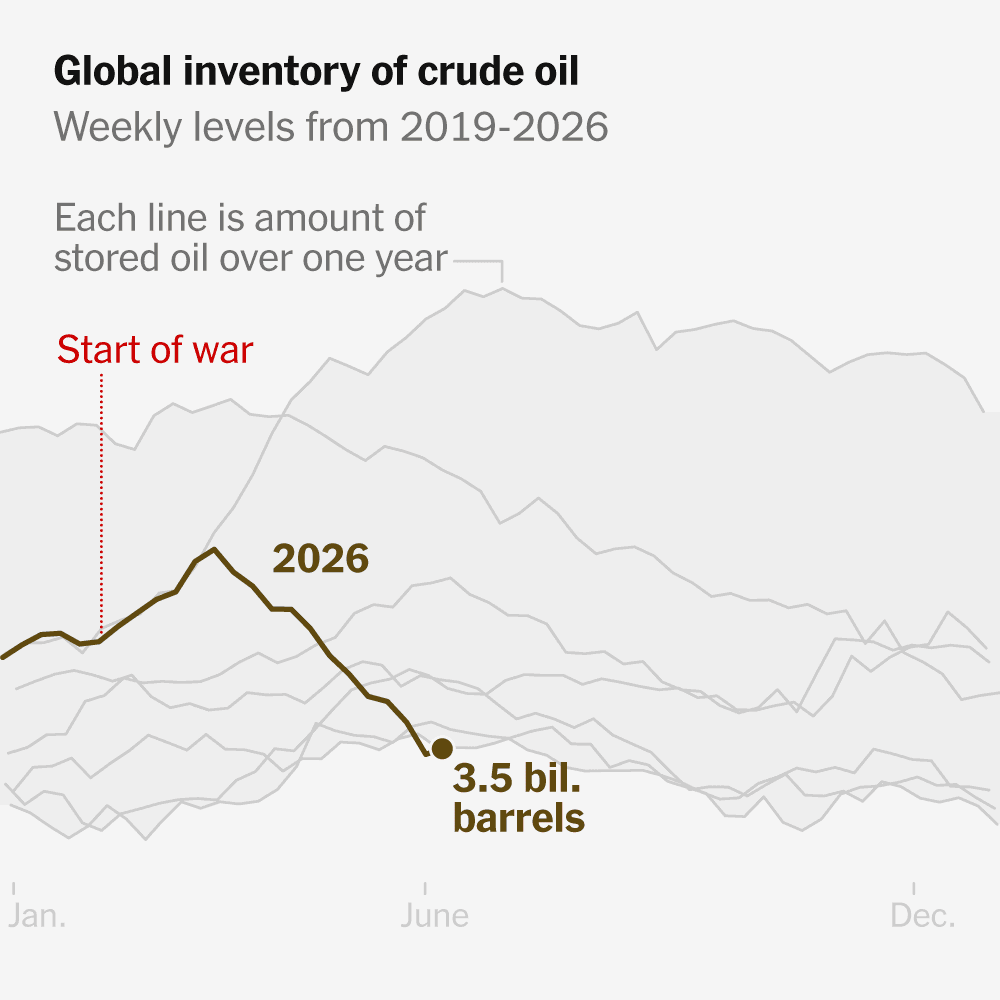
Oil prices have risen sharply due to heightened tensions between the U.S. and Iran, particularly following Iran's announcement to close the Strait of Hormuz. This closure is a significant concern as it is a vital passage for oil shipments, and its impact is already being felt in the market. The situation has intensified fears of supply disruptions, leading to a notable decrease in global oil reserves.
On June 11, 2026, oil prices spiked after U.S. airstrikes against Iran, further escalating the conflict. The ongoing U.S.-Israeli war against Iran has contributed to a significant drop in oil and fuel reserves, with estimates suggesting a reduction of 1.5 million barrels per day. This combination of factors has created a precarious environment for oil markets worldwide.
The Context
The geopolitical landscape surrounding the U.S.-Iran conflict is complex, with multiple stakeholders involved. The closure of the Strait of Hormuz has heightened market fears, as this route is crucial for oil transportation. The ongoing conflict has already led to a sharp decline in global oil reserves, raising alarms among investors and policymakers alike.
As tensions continue to rise, the implications for the oil market are profound. Stakeholders must navigate a landscape marked by uncertainty, where geopolitical developments can lead to rapid price fluctuations. The situation underscores the interconnectedness of global energy supply and international relations, making it a critical area for monitoring.
Takeaway
The ongoing tensions suggest that oil prices may continue to rise if diplomatic solutions are not reached. Stakeholders should closely monitor developments in U.S.-Iran relations, as any escalation could further impact oil supply and prices. Additionally, responses from global oil markets will be crucial as reserves continue to dwindle.
As the situation evolves, the oil market is likely to remain volatile, with potential implications for both consumers and businesses. Preparing for fluctuating prices will be essential for those involved in the energy sector, as the geopolitical landscape remains unpredictable.
Markets, economy, and company analysis from NYT’s business desk.
"The New York Times is a globally recognized newspaper offering authoritative reporting with a center-left editorial stance."
— A47 Editor
The World Is Draining Oil Reserves, Raising Pressure for a Peace Deal
The ongoing U.S.-Israeli military conflict against Iran has led to a significant depletion of oil reserves, with stored oil and fuel levels dropping sharply since the war's onset. This decline raises concerns about potential supply shortages in the e...
Oil, metals, and agriculture: supply/demand headlines, OPEC chatter, inventories, and price action.
"Solid tape for energy and metals traders tracking macro and micro catalysts."
— A47 Editor
Middle East crude benchmarks reportedly rise amid U.S.-Iran tensions
Recent tensions between the U.S. and Iran have led to a rise in Middle East crude benchmarks, as oil prices increased amid ongoing military actions and geopolitical instability. This escalation follows new U.S. strikes against Iran, raising concerns ...
Global political, business, and cultural coverage from WSJ international desks.
"The Wall Street Journal offers extensive international reporting with a reputation for financial insight and a center-right editorial stance."
— A47 Editor
Oil Prices Rise as U.S.-Iran Tensions Escalate
Oil prices surged on Thursday as escalating tensions between the U.S. and Iran raised concerns about potential disruptions in oil supply from the Middle East. The U.S. has intensified military actions against Iran, launching airstrikes for a second c...
Pan-Arab news coverage spanning politics, business, sports, and regional affairs.
"Asharq Al-Awsat reflects a broad Arab editorial perspective with strong attention to regional geopolitics."
— A47 Editor
النفط يرتفع بأكثر من دولار مع تنامي القلق من تصاعد الضربات الأميركية الإيرانية
Oil prices surged by over a dollar on Thursday following Tehran's announcement of the closure of the Strait of Hormuz, in response to additional U.S. strikes against Iran. This escalation in tensions has raised concerns in the global oil market, as t...