
US Department of Transportation proposes removal of brake pedal requirement for autonomous vehicles
Here's what it means for you.
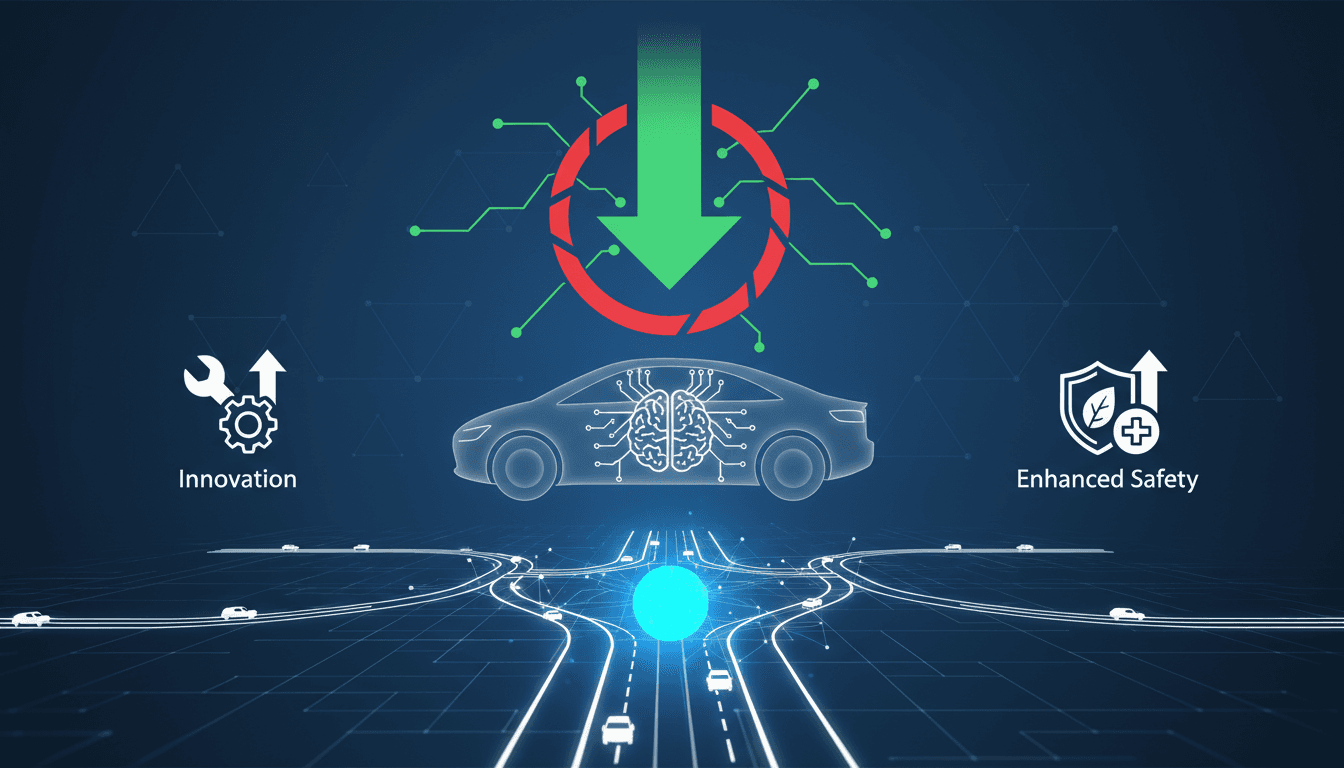
The Department of Transportation's proposal to eliminate the brake pedal requirement for autonomous vehicles could significantly reshape the automotive industry. This regulatory change is designed to lower barriers for manufacturers, enabling them to innovate more freely in the development of fully automated driving systems. Companies like Tesla and Zoox are poised to benefit, potentially leading to a new era of vehicle design that prioritizes automation over traditional controls. As the automotive landscape evolves, this shift may enhance safety and efficiency on the roads, making autonomous vehicles more accessible to consumers. The implications of this proposal extend beyond manufacturers, potentially influencing regulatory frameworks and public perception of autonomous technology.
What happened
The Department of Transportation has proposed the removal of the federal requirement for brake pedals in vehicles designed for automated driving systems. This significant regulatory change aims to facilitate the development of purpose-built autonomous vehicles. By eliminating traditional controls, the proposal seeks to lower barriers for manufacturers, particularly those focused on innovative vehicle designs.
The announcement was made by the Trump administration's Department of Transportation, marking a pivotal moment for the autonomous vehicle sector. If adopted, this change could redefine vehicle design and accelerate advancements in autonomous technology.
The Context
The proposed rule change specifically targets vehicles that operate exclusively under automated driving systems, which could lead to a surge in innovation within the industry. Removing the brake pedal requirement is seen as a substantial boost for companies like Tesla and Zoox, which are at the forefront of developing cutting-edge vehicle designs.
This regulatory shift comes at a time when the automotive industry is increasingly focused on automation and sustainability. The timing of this proposal suggests a strategic move to encourage rapid advancements in autonomous vehicle technology, potentially reshaping the automotive landscape and enhancing road safety.
Takeaway
If adopted, the proposal to remove the brake pedal requirement could usher in a new era of vehicle design and innovation in the autonomous driving industry. Stakeholders in the automotive sector will likely respond with varying perspectives, and future discussions will focus on the implications for safety standards and regulatory frameworks.
As the industry navigates these changes, it will be essential to monitor responses from manufacturers and regulators alike. The outcome of this proposal could significantly influence the trajectory of autonomous vehicle development and public acceptance.
Business and tech news excluding paywalled content.
"High-volume business/tech outlet with frequent AI coverage."
— A47 Editor
Trump's DOT proposes new rules for driverless vehicles
The National Highway Traffic Safety Administration (NHTSA) has proposed new regulations that would allow the removal of pedals and steering wheels in vehicles designed exclusively for automated driving systems. This change is part of the Trump admini...
Opinionated AI coverage for general audiences.
"TNW’s AI vertical covering tools, ethics, and trends."
— A47 Editor
Trump DOT proposes dropping the brake pedal requirement for fully autonomous vehicles
The Trump administration's Department of Transportation has proposed eliminating the federal requirement for brake pedals in vehicles designed for exclusive use by automated driving systems. This regulatory change aims to facilitate the development o...
Startup news with frequent AI coverage.
"Covers launches, funding, and product updates in AI."
— A47 Editor
Trump administration proposes axing brake-pedal requirement for AVs in a boost for Tesla
The Trump administration's Department of Transportation has proposed eliminating the federal brake-pedal requirement for vehicles designed exclusively for automated driving systems, a move that could significantly advance the development of autonomou...