
China performs world's first commercial brain-computer interface implant
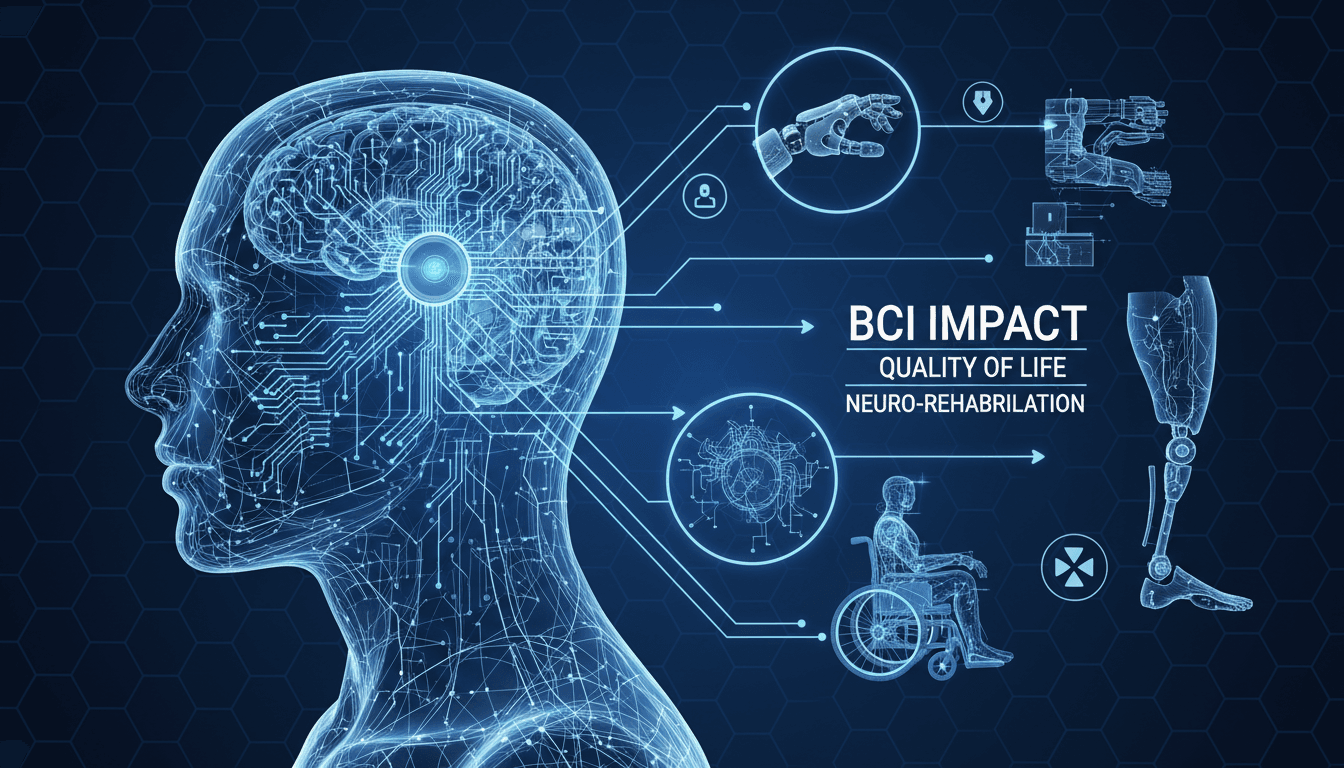
Here's what it means for you.
The successful implantation of the world's first commercial brain-computer interface in China marks a significant advancement in neurotechnology. This breakthrough could lead to enhanced rehabilitation options for individuals with neurological impairments, potentially transforming their quality of life. As regulatory frameworks evolve, we may witness a surge in similar innovations across the globe. The implications extend beyond individual patients, influencing market dynamics and prompting discussions on ethical considerations in neurotechnology. This development positions China as a leader in the field, challenging existing players like Neuralink.
What happened
Chinese surgeons have successfully implanted the first commercially approved brain-computer interface in a patient, a milestone that surpasses previous efforts by companies like Neuralink. The procedure involved placing a coin-sized chip in a patient who had lost hand function due to a spinal cord injury from a car accident. This innovative implant is designed to convert neural signals into hand movements, offering new hope for those with mobility challenges.
The surgery took place at Huashan Hospital in Shanghai, showcasing China's rapid advancements in medical technology. This achievement not only highlights the capabilities of Chinese surgeons but also sets a precedent for future developments in neuroprosthetics.
The Context
The regulatory approval in China has paved the way for broader access to brain implants, facilitating this groundbreaking procedure. The implant is notably smaller than its competitors, indicating a shift towards more compact and efficient neurotechnology solutions. The patient, who had been without hand function for a decade, represents a critical case for the potential applications of this technology.
This event is significant as it positions China at the forefront of neurotechnology, potentially outpacing other nations in the development and implementation of brain-computer interfaces. The timing of this advancement aligns with a growing global interest in enhancing the quality of life for individuals with neurological impairments.
Takeaway
The successful implantation of a brain-computer interface could lead to more advanced neuroprosthetics and rehabilitation technologies in the near future. As these devices become more accessible, we may see a rise in innovations aimed at improving the lives of those with mobility impairments.
Future developments will likely focus on refining the technology and expanding its applications in both medicine and technology. Observers should watch for potential regulatory changes in other countries that may follow China's lead in this transformative field.
Opinionated AI coverage for general audiences.
"TNW’s AI vertical covering tools, ethics, and trends."
— A47 Editor
China just put its first commercial brain implant into a patient. It’s smaller than Neuralink’s, on purpose.
China has successfully conducted the world's first surgery using a commercially approved brain-computer interface, implanting a coin-sized chip in a patient with impaired hand movement due to a spinal cord injury from a decade ago. This groundbreakin...
Consumer tech news, reviews, and buying guides for gadgets and electronics.
"TechRadar is known for comprehensive buying advice, hardware reviews, and consumer tech news targeted at mainstream audiences."
— A47 Editor
China beats Elon Musk’s Neuralink to the world’s first commercial brain-computer interface implant — car crash victim given coin-sized chip that turns neural signals into hand movements
China has achieved a significant milestone by becoming the first country to commercially implant a brain-computer interface, allowing a car crash victim to control hand movements through a coin-sized chip that translates neural signals. This developm...
RT is a Russian state-funded network covering global events from a Russian perspective.
"RT is widely criticized for promoting pro-Kremlin narratives and is considered by many to be a state propaganda outlet."
— A47 Editor
China beats Musk’s Neuralink to commercial brain-chip implant
Chinese surgeons have successfully performed the world's first commercial implant of an approved invasive brain-computer interface, marking a significant milestone in the field of neurotechnology. This achievement positions China ahead of competitors...