
UK unemployment rate falls to 4.9% with unexpected wage growth
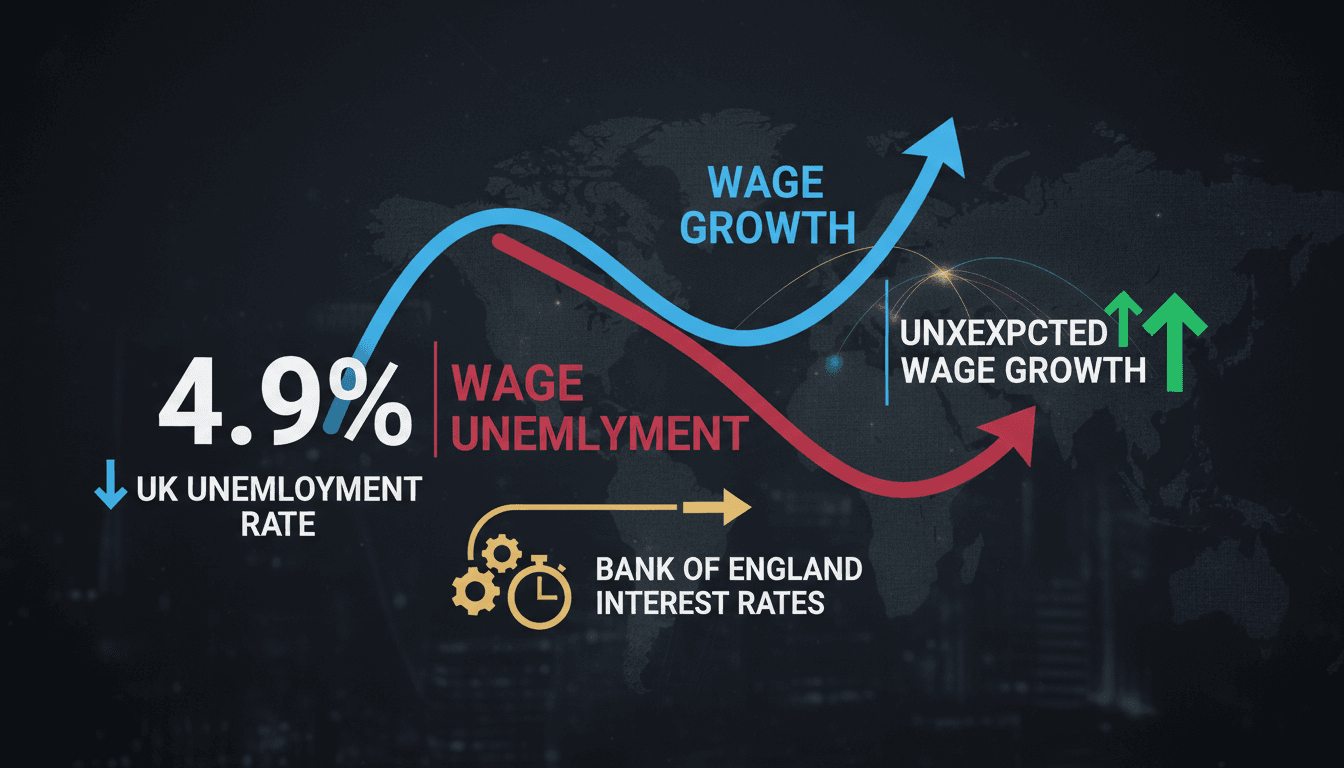
Here's what it means for you.
The recent drop in the UK unemployment rate to 4.9% signals a tightening labor market, which could have significant implications for monetary policy. With wages rising unexpectedly, the Bank of England may be compelled to reassess its interest rate strategy. This shift could influence borrowing costs and economic growth in the UK, affecting both consumers and businesses. As the labor market strengthens, stakeholders should prepare for potential changes in economic conditions. The interplay between employment figures and wage growth will be crucial in shaping future policy decisions.
What happened
UK unemployment fell to 4.9% in April, down from 5% in March, marking a notable improvement in the labor market. Alongside this decline, wages have increased more than anticipated, indicating a stronger economic performance. These developments come at a time when the Bank of England is closely monitoring economic indicators to guide its monetary policy.
The data reflects a significant shift in employment dynamics, suggesting that the labor market is tightening. This trend could lead to increased pressure on the Bank of England to consider raising interest rates in response to the improving economic landscape.
The Context
The decrease in the unemployment rate and the unexpected wage growth are critical indicators of the UK's economic health. As the labor market shows signs of improvement, the Bank of England faces mounting pressure to adjust its interest rate strategy. This situation is further complicated by recent geopolitical developments in the Middle East, which may also influence economic conditions.
The timing of these changes is crucial, as they come amidst ongoing discussions about monetary policy. Stakeholders, including businesses and consumers, will be watching closely to see how these factors interact and what implications they may have for the broader economy.
Takeaway
As the labor market continues to show signs of improvement, the Bank of England's monetary policy may shift in response to these economic indicators. Upcoming meetings of the Bank will be critical to monitor for potential interest rate changes. Additionally, further economic indicators will be essential in assessing the trajectory of wage growth and employment.
The interplay between these factors will be pivotal in shaping the economic landscape in the UK. Stakeholders should remain vigilant as developments unfold, particularly in relation to the Bank of England's policy decisions.
Social/economic commentary and analysis relevant to business and markets.
"WSJ blends data-driven economic insight with commentary on policy and society."
— A47 Editor
U.K. Unemployment Falls Below 5%
The U.K. has seen its unemployment rate drop below 5%, indicating a slight improvement in the labor market, although wage growth remains stagnant. This development suggests a complex economic landscape where job availability is increasing, yet compen...
International coverage from The Guardian's global desks.
"The Guardian is known for its progressive editorial stance and in-depth analysis."
— A47 Editor
UK unemployment rate falls to 4.9% and wages grow more than expected
The UK unemployment rate has decreased to 4.9% for the three months leading up to April, down from 5% in the previous quarter, alongside a notable increase in wages. This positive shift in employment figures comes despite ongoing geopolitical tension...
Global markets, investing, and macroeconomics from a premier financial newsroom.
"Bloomberg is respected for in-depth financial reporting and data-driven analysis."
— A47 Editor
UK Unemployment Falls, Wages Grow Faster Than Expected
The UK has reported a decrease in unemployment rates alongside faster-than-expected wage growth, indicating a positive shift in the labor market. This development is significant as it suggests improved economic conditions and increased consumer spend...