
Iraq and Kuwait to Increase Oil Exports as Strait of Hormuz Reopens
Here's what it means for you.
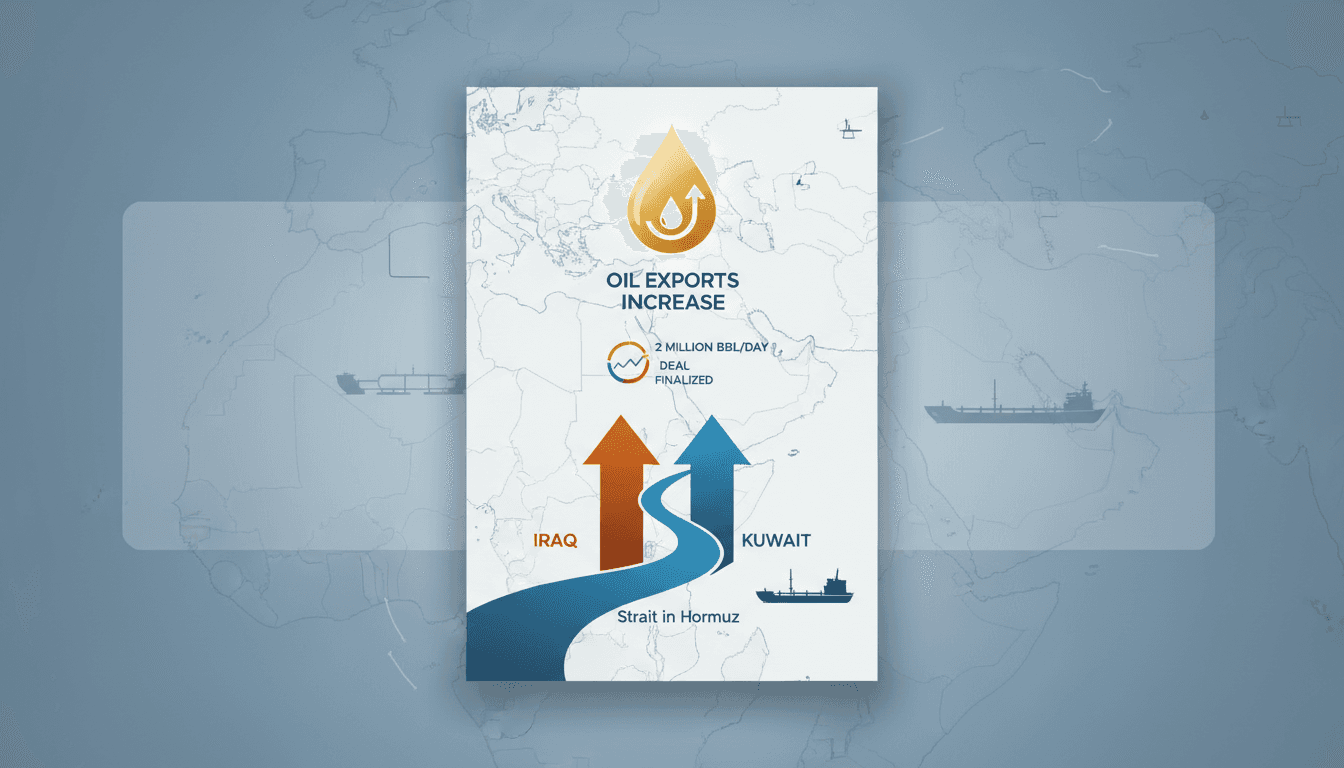
The anticipated reopening of the Strait of Hormuz is set to have significant implications for global oil markets. As Iraq and Kuwait ramp up their oil exports, this could lead to a stabilization of supply and pricing dynamics in the region. Increased competition among oil-exporting nations may also reshape market strategies and influence global energy policies. The developments in Iraq and Kuwait highlight the importance of the Strait of Hormuz as a critical chokepoint for oil shipments. With Iraq finalizing a deal to boost exports and Kuwait targeting an output of two million barrels per day, the region is poised for a notable shift in oil supply capabilities.
What happened
Iraq and Kuwait are preparing to enhance their oil exports as the Strait of Hormuz is expected to reopen soon. Iraq is finalizing a deal to increase oil exports from its southern ports, while Kuwait plans to significantly raise its oil output. This move comes as both nations aim to restore and expand their oil production capabilities.
Kuwait's target of two million barrels per day underscores its commitment to ramping up production within a week. The reopening of the Strait of Hormuz is anticipated to restore normal shipping traffic, facilitating these export increases.
The Context
The Strait of Hormuz is a vital passage for global oil shipments, making its reopening crucial for oil-exporting nations. Iraq has faced disruptions in its oil exports and is now focused on restoring its previous levels. Meanwhile, Kuwait's plans to increase production reflect a broader trend of recovery in the region's oil supply capabilities.
The timing of these developments is significant, as both countries seek to capitalize on the reopening of this critical chokepoint. The actions of Iraq and Kuwait could influence not only their economies but also the global oil market landscape.
Takeaway
The reopening of the Strait of Hormuz is likely to stabilize oil markets and could lead to increased competition among oil-exporting nations in the region. Observers should monitor the signing of Iraq's formal deal regarding oil exports, as well as Kuwait's actual increase in oil output. These developments will be pivotal in shaping the future of oil supply and pricing.
As both nations move forward with their plans, the impact on global oil supply and market dynamics will be closely watched by industry stakeholders.
UAE-based English-language newspaper covering regional politics, economics, and global affairs.
"The National reflects Emirati policy perspectives while maintaining international editorial standards."
— A47 Editor
Kuwait to lift oil output to two million bpd within a week as Strait of Hormuz reopens
Kuwait has announced plans to increase its oil production to two million barrels per day (bpd) within a week, coinciding with the anticipated reopening of the Strait of Hormuz, a critical maritime route for global oil shipments. This decision follows...
Arabic-language coverage of international news and geopolitics.
"RT Arabic is a Russian state-funded outlet often criticized for promoting Kremlin-aligned narratives."
— A47 Editor
العراق يخطط لاستعادة مستويات تصدير النفط بعد انفراج أزمة هرمز
Iraq is preparing to enhance its oil exports from southern ports as the reopening of the Strait of Hormuz approaches, with Baghdad working to finalize the necessary procedures to resume exports as maritime traffic returns to normal.
Global markets, investing, and macroeconomics from a premier financial newsroom.
"Bloomberg is respected for in-depth financial reporting and data-driven analysis."
— A47 Editor
Iraq Takes Steps to Boost Oil Exports When Hormuz Reopens
Iraq is set to enhance its oil exports from southern ports following a formal agreement to reopen the Strait of Hormuz, which is scheduled to be signed on Friday. This development comes amid ongoing negotiations aimed at stabilizing the region's crit...