
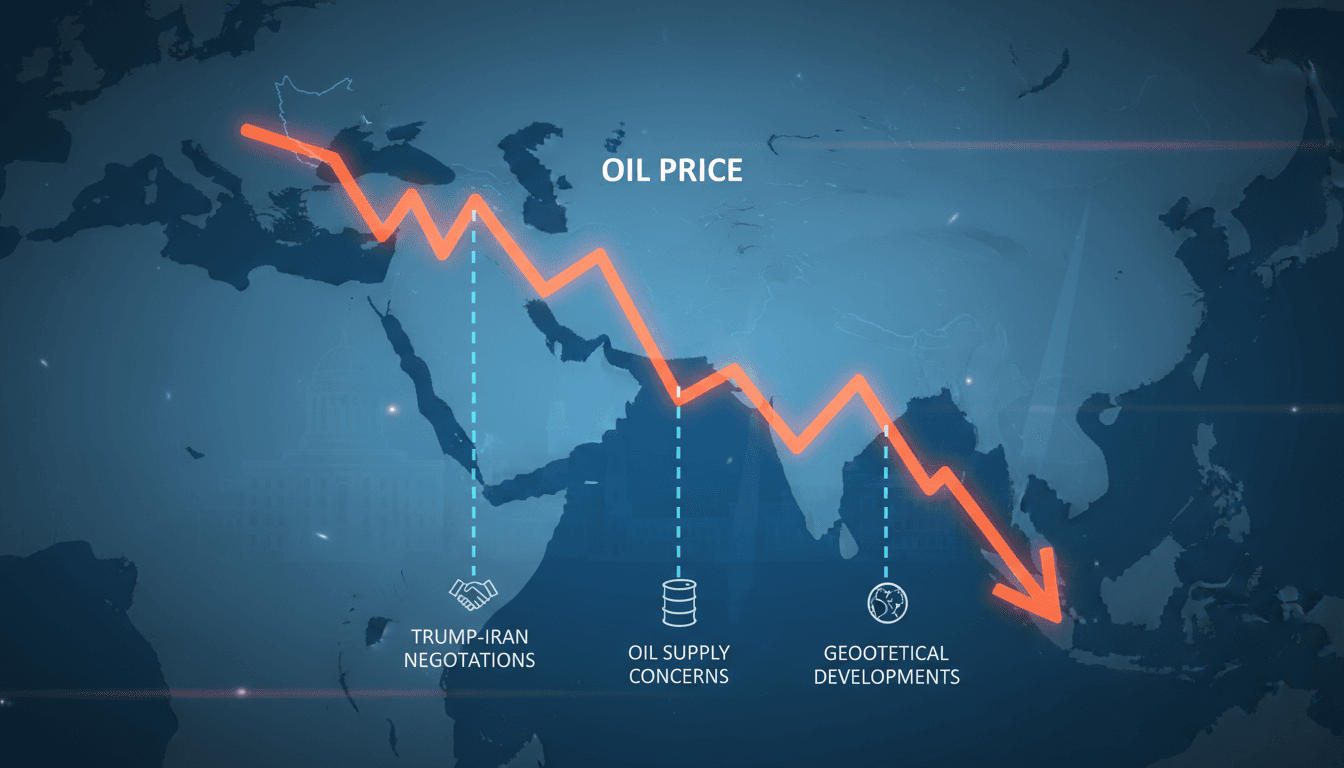
Oil prices decline over 1% following Trump's remarks on Iran negotiations
Here's what it means for you.
The recent decline in oil prices highlights the market's sensitivity to geopolitical developments, particularly regarding U.S.-Iran relations. As negotiations continue, traders are likely to remain cautious, which could lead to further fluctuations in oil prices. This situation underscores the importance of monitoring both diplomatic efforts and U.S. oil inventory reports for future market stability.
What happened
Oil prices fell by more than 1% after President Trump confirmed that negotiations with Iran are ongoing. This decline was evident in both Brent and West Texas Intermediate crude oil futures, with Brent dropping by $1.53 to $93.45 per barrel and West Texas Intermediate falling by $1.42 to $90.74 per barrel. The market's reaction reflects a heightened sensitivity to geopolitical developments and concerns over oil supply.
The immediate market response underscores the volatility of oil prices, which can shift rapidly based on news related to international relations. As traders digest the implications of these negotiations, the potential for further price movements remains significant.
The Context
The backdrop of this price decline is the ongoing negotiations between the U.S. and Iran, which have historically influenced oil supply dynamics. President Trump's remarks serve as a reminder of the interconnectedness of geopolitical events and oil market fluctuations. With U.S. oil inventories also fluctuating, the market is particularly sensitive to any developments that could impact supply.
Stakeholders in the oil market, including traders and policymakers, are closely watching these negotiations. The outcomes could have far-reaching implications for oil prices and overall market stability, making this a critical period for the industry.
Takeaway
Looking ahead, future oil price movements will likely hinge on the outcomes of U.S.-Iran negotiations and upcoming reports on U.S. oil inventory levels. Market participants will need to stay informed about any developments that could affect supply and demand dynamics. As the situation evolves, the potential for continued volatility in oil prices remains high.
Traders and analysts should prepare for a fluid market environment, where geopolitical events can lead to rapid changes in pricing. Keeping an eye on both diplomatic progress and inventory data will be essential for navigating this uncertain landscape.
Jordanian news and regional updates.
"Roya News is a Jordanian outlet focused on breaking news and local affairs."
— A47 Editor
قفزة في أسعار النفط بنحو 2% مع تعثر مفاوضات واشنطن وطهران وهبوط المخزونات الأمريكية
Oil prices surged by approximately 2% amid stalled negotiations between Washington and Tehran, coupled with a decline in U.S. inventories. This development highlights the ongoing tensions in international relations and its impact on global oil market...
Arabic-language coverage of Saudi, regional, and international affairs.
"Al Bilad offers mainstream Saudi newspaper coverage across domestic and broader Arab topics."
— A47 Editor
انخفاض المخزونات العالمية
Oil prices fell by more than 1% on Tuesday, with Brent crude dropping by $1.53 to $93.45 per barrel and West Texas Intermediate crude decreasing by $1.42 to $90.74 per barrel. This decline follows comments from U.S. President Donald Trump indicating ...
Arabic-language coverage of international news and geopolitics.
"RT Arabic is a Russian state-funded outlet often criticized for promoting Kremlin-aligned narratives."
— A47 Editor
انخفاض أسعار النفط بعد تصريحات ترامب
Oil prices declined on Tuesday following statements from U.S. President Donald Trump, who confirmed that negotiations with Iran are ongoing. This development has led to market reactions as investors assess the implications of continued discussions be...