
NASA selects astronauts for Artemis III amid significant launch infrastructure challenges
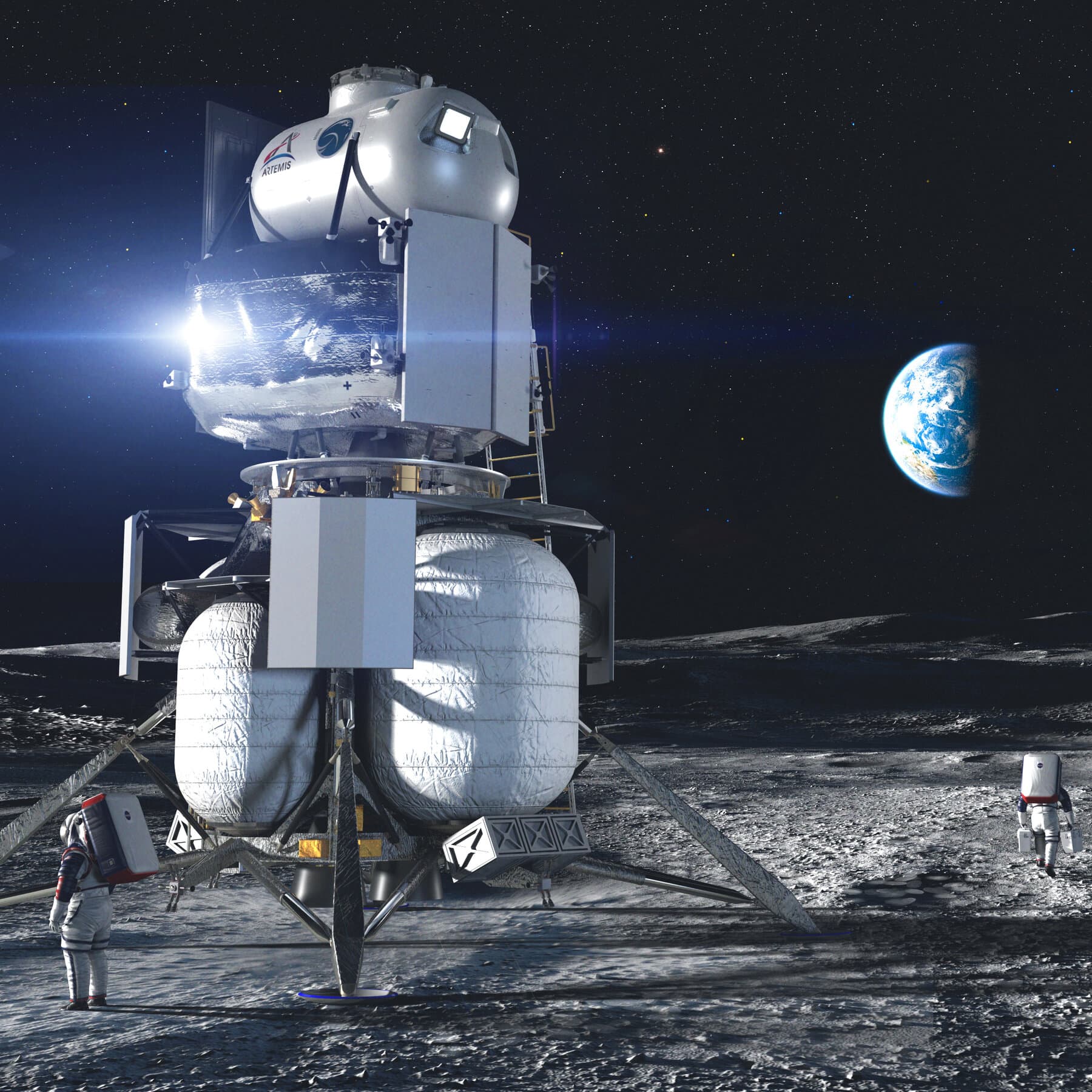
Here's what it means for you.
NASA's selection of astronauts for the Artemis III mission signals a pivotal moment in lunar exploration, yet it underscores the challenges that lie ahead. The destruction of a Blue Origin rocket and its launchpad raises questions about the feasibility of the 2028 timeline for returning humans to the moon. Stakeholders in the aerospace sector will need to closely monitor how NASA adapts its strategies to overcome these setbacks. The implications extend beyond NASA, affecting partnerships and investments in space exploration. As the agency navigates these hurdles, the success of Artemis III could redefine the future of lunar missions and international collaboration in space.
What happened
NASA has officially selected four astronauts for its Artemis III mission, a key initiative aimed at returning humans to the moon by 2028. This announcement comes amid significant setbacks, including the destruction of a Blue Origin rocket and its launchpad, which have raised concerns about the mission's ambitious timeline. The selection of these astronauts marks a crucial step forward in the mission's planning and execution.
Despite this progress, experts are expressing skepticism regarding the feasibility of the current timeline. The challenges posed by the recent infrastructure damage could impact NASA's ability to meet its lunar exploration objectives.
The Context
The Artemis III mission is part of NASA's broader goal to establish a sustainable human presence on the moon. The selection of astronauts is a critical component of this mission, emphasizing the human element in lunar exploration. However, the destruction of the Blue Origin rocket and launchpad represents a significant setback that could hinder progress.
Experts believe that the timeline for Artemis III is overly ambitious, given the current challenges. As NASA works to address these issues, the agency's ability to innovate and adapt will be essential for the success of its lunar objectives.
Takeaway
Looking ahead, the success of Artemis III will depend on NASA's capacity to overcome existing setbacks and adhere to its challenging timeline. Key areas to watch include updates on the recovery and rebuilding of launch infrastructure, as well as further announcements regarding astronaut training and mission preparations.
As the agency navigates these hurdles, the focus will be on how effectively it can adapt its strategies to ensure the mission's success. The coming months will be critical in determining the trajectory of NASA's lunar exploration efforts.
Capitol Hill news, legislation, and policy insight.
"The Hill specializes in U.S. politics and policy, with a focus on Capitol Hill developments and a reputation for insider reporting."
— A47 Editor
NASA's Artemis III mission is starting to take shape
NASA's Artemis III mission is taking shape as the agency has announced the four-person crew tasked with a test flight scheduled for 2027. This mission will focus on critical rendezvous and docking operations in Earth orbit, marking a significant step...
Scientific research, space, environment, and health coverage.
"The New York Times is a globally recognized newspaper offering authoritative reporting with a center-left editorial stance."
— A47 Editor
What NASA Needs to Stay on Track for the Moon
NASA has provided an optimistic update regarding its Artemis III mission, which aims to return humans to the Moon, despite experts cautioning that the timeline is overly ambitious. The mission is now scheduled for launch in late 2027, following the s...
Scientific research, space, environment, and health coverage.
"The New York Times is a globally recognized newspaper offering authoritative reporting with a center-left editorial stance."
— A47 Editor
What NASA Needs to Stay on Track for the Moon
NASA has provided an optimistic update regarding its Artemis III mission, which aims to return humans to the Moon, despite experts cautioning that the timeline is overly ambitious. The mission is now scheduled for launch in late 2027, following the s...
Scientific research, space, environment, and health coverage.
"The New York Times is a globally recognized newspaper offering authoritative reporting with a center-left editorial stance."
— A47 Editor
Can the Artemis III Mission Go on as Planned?
NASA's Artemis III mission faces a significant setback following the destruction of a Blue Origin rocket and its launchpad, which occurred during a prelaunch test at Cape Canaveral on May 28, 2026. This incident raises concerns about the timeline for...