
Surge in Airline Fuel Costs Linked to Ongoing Conflict in Iran
Here's what it means for you.
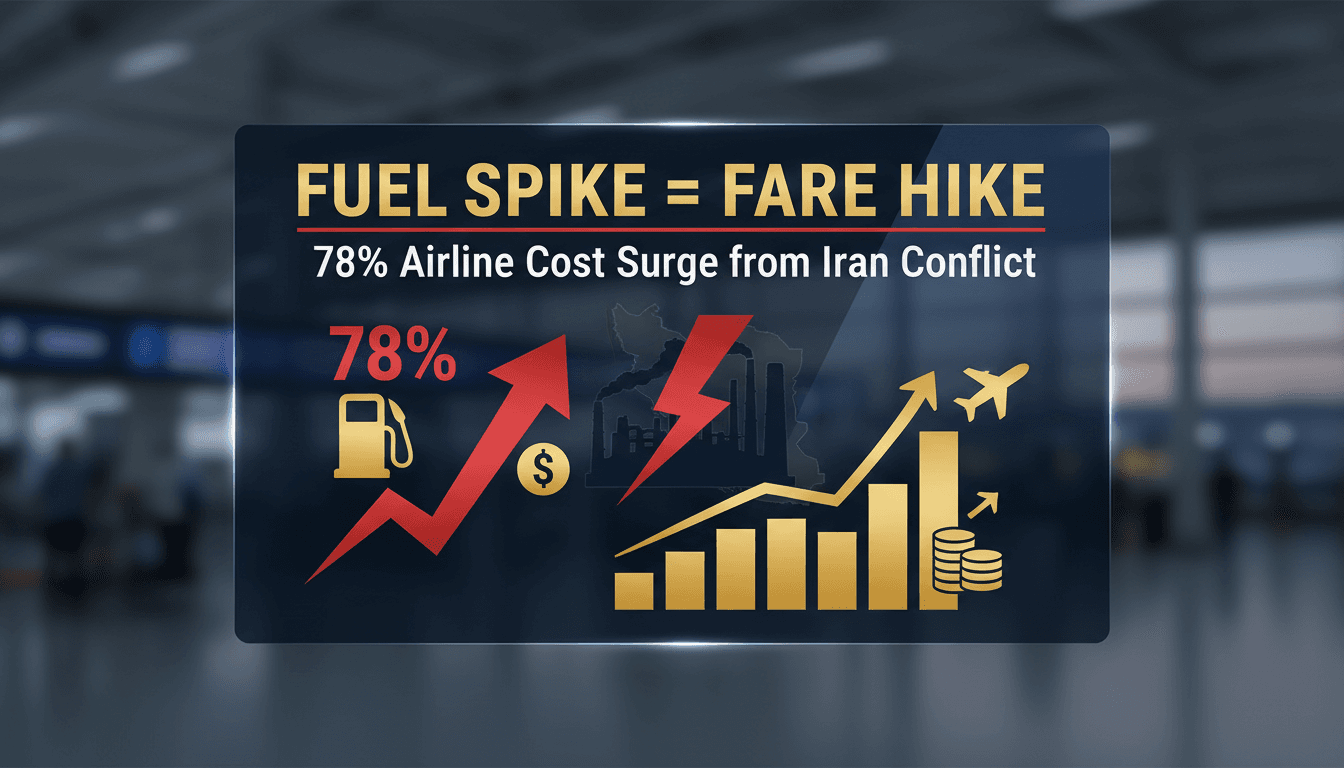
The ongoing conflict in Iran has led to a staggering 78% increase in airline fuel costs over the past year, significantly impacting both the airline industry and travelers. As airlines brace for reduced profits, they are likely to pass these increased costs onto consumers through higher airfares. This situation exacerbates existing economic pressures on households already grappling with inflation. Travelers should prepare for potential fare hikes in the coming months, as the geopolitical landscape continues to evolve. The implications of rising fuel costs extend beyond the airline industry, affecting broader economic conditions.
What happened
Airline fuel costs have surged by 78% over the past year, primarily due to the ongoing war in Iran. This dramatic increase has prompted airlines to issue warnings about potential fare hikes, which could further strain household budgets already impacted by inflation. The situation has escalated as the conflict has now surpassed 100 days, intensifying concerns over energy prices.
As fuel prices continue to rise, the airline industry is projected to face a staggering $100 billion hit from these increased costs. Airlines are bracing for a significant reduction in profits, which are expected to be halved as energy expenses climb. This financial strain is likely to lead to adjustments in airfares, affecting travelers worldwide.
The Context
The conflict in Iran has created a volatile environment for global energy prices, directly influencing airline fuel costs. Stakeholders in the airline industry are closely monitoring the situation, as rising fuel expenses could lead to a ripple effect across the economy. With inflation already affecting household budgets, the potential for increased airfares adds another layer of financial pressure on consumers.
The airline industry is a critical component of the global economy, and its struggles can have far-reaching implications. As airlines adjust their pricing strategies in response to soaring fuel costs, travelers may find themselves facing higher ticket prices. This situation underscores the interconnectedness of geopolitical events and everyday economic realities.
Takeaway
As the conflict in Iran continues, travelers should remain vigilant about potential fare increases in the near future. Monitoring developments in the Iran conflict will be crucial, as these events will likely influence global energy prices and, consequently, airline costs. Airlines are expected to announce fare adjustments and financial forecasts in response to the ongoing situation.
The outlook remains challenging for both airlines and consumers, with elevated fuel prices anticipated to persist. Travelers should prepare for continued financial challenges as the geopolitical landscape evolves.
Capitol Hill news, legislation, and policy insight.
"The Hill specializes in U.S. politics and policy, with a focus on Capitol Hill developments and a reputation for insider reporting."
— A47 Editor
Iran war spikes airline fuel costs
The ongoing conflict in Iran has led to a significant increase in airline fuel costs, which have surged by 78 percent over the past year, with expenditures reaching nearly $6.5 billion in April alone, according to the Bureau of Transportation Statist...
Editor-curated FT homepage stories spanning markets, business, world, and opinion.
"The Financial Times is a globally respected business publication with a centrist/center-left tone and strong markets focus."
— A47 Editor
Airlines face $100bn hit on jet fuel from Iran energy shock
Airlines are facing a significant financial blow, with industry bodies estimating a $100 billion hit on profits due to soaring jet fuel prices linked to the ongoing conflict in Iran. This energy shock is expected to halve the profits of airlines, exa...
Corporate finance news, M&A, deals, and executive interviews.
"Finance Monthly serves a professional readership with corporate finance coverage."
— A47 Editor
Airline Fuel Shock Squeezes Travelers as Higher Fares Spread
Airlines are facing a significant challenge as rising fuel costs, exacerbated by the ongoing conflict involving Iran, threaten to increase airfares in the coming months. This situation is expected to further strain household budgets, which many famil...