
Ebola outbreak in DRC and Uganda raises concerns over global health equity
Here's what it means for you.
The ongoing Ebola outbreak could reshape international health funding and policies, impacting global investment strategies.
Why it matters
This outbreak highlights systemic inequalities in global health responses, particularly in funding and resource allocation.
What happened (in 30 seconds)
- On May 15, 2026, a new Ebola outbreak was announced in the Democratic Republic of Congo and Uganda.
- The World Health Organization faced backlash for its comments on the Africa CDC's response time, raising concerns about external narratives undermining African agency.
- International donor assistance to African health initiatives has decreased by approximately 50% over the past five years, complicating outbreak responses.
The context you actually need
- Ebola has historically posed significant public health challenges in Africa, often exacerbated by limited resources.
- The Africa CDC has called for greater investment in domestic health infrastructure due to dwindling external funding.
- Health sovereignty is a growing concern, as African nations seek autonomy in managing health crises without external interference.
What's really happening
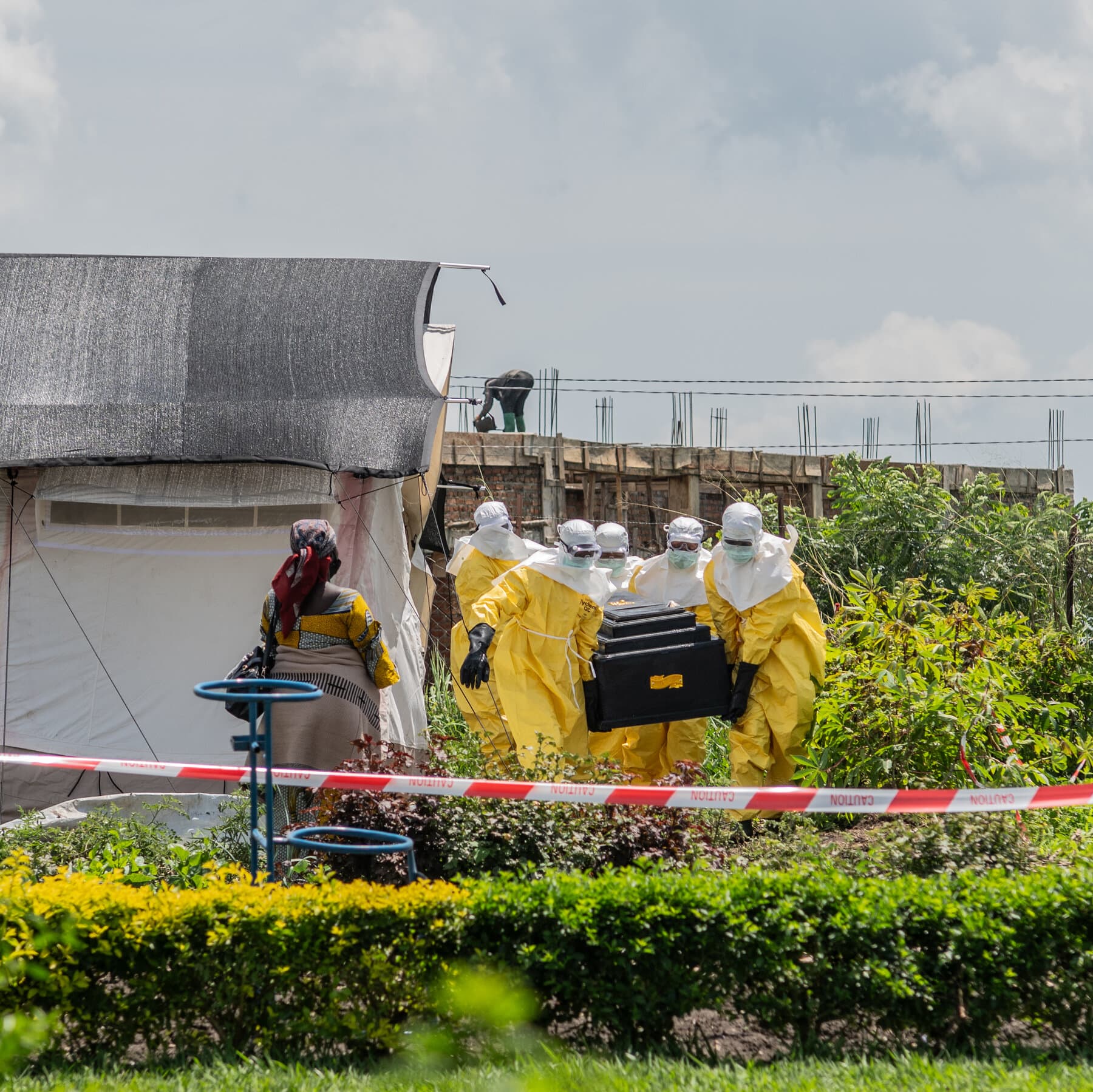
The recent Ebola outbreak in the Democratic Republic of Congo and Uganda has reignited discussions about global health equity and the perceived double standards in international responses. The World Health Organization (WHO) faced criticism for suggesting that the Africa Centres for Disease Control and Prevention (Africa CDC) delayed in announcing the outbreak. This comment has been interpreted as undermining African agency and reinforcing a narrative that external actors often impose their views on the continent.
Dr. Jean Kaseya, the Africa CDC's director-general, has emphasized the critical funding shortfall faced by African nations, which has hindered their ability to respond effectively to health crises. Over the past five years, international donor assistance to African health initiatives has decreased by approximately 50%, according to the Africa CDC. This reduction in funding has led to a significant decline in national capacities for outbreak preparedness and response, leaving countries vulnerable to health emergencies.
The current outbreak underscores the need for African nations to pursue self-reliance in health financing. As external funding becomes increasingly unreliable, there are growing calls for greater investment in domestic health infrastructure. This shift is not just about managing outbreaks; it is about establishing a sustainable health system that can withstand future crises without over-reliance on international aid.
The implications of this outbreak extend beyond the immediate health crisis. Wealthy nations tend to mobilize resources more readily for crises in affluent regions, raising questions about the fairness of global health funding mechanisms. The disparity in responses to health emergencies in different regions of the world reflects a broader issue of health sovereignty and equity.
As the outbreak continues, African leaders are advocating for increased autonomy in health financing and a reevaluation of international support mechanisms. The WHO's comments have sparked a debate about the role of external organizations in African health matters and the need for a more equitable approach to global health governance.
Who feels it first (and how)
- Health officials in the Democratic Republic of Congo and Uganda are on the front lines, managing the outbreak response.
- African governments are pressured to enhance their health financing and infrastructure amidst dwindling international support.
- International investors may reassess their strategies in light of health risks, impacting economic stability in the region.
What to watch next
- Increased advocacy for health sovereignty: Watch for movements pushing for greater autonomy in health financing and decision-making in African nations.
- Changes in international funding policies: Monitor how donor countries and organizations adjust their funding strategies in response to the outbreak and criticisms of double standards.
- Regional health policy shifts: Observe how the outbreak influences health policies and investment strategies in the UAE and other regions, particularly regarding health infrastructure.
The Ebola outbreak is ongoing, with international health responses mobilizing.
There will be increased calls for health sovereignty and domestic investment in African health systems.
The long-term impact on international donor policies and funding mechanisms remains uncertain.
Frequently Asked Questions
- Why it matters?
- This outbreak highlights systemic inequalities in global health responses, particularly in funding and resource allocation.
- What happened (in 30 seconds)?
- On May 15, 2026, a new Ebola outbreak was announced in the Democratic Republic of Congo and Uganda. The World Health Organization faced backlash for its comments on the Africa CDC's response time, raising concerns about external narratives undermining African agency. International donor assistance to African health initiatives has decreased by approximately 50% over the past five years, complicating outbreak responses.
- What's really happening?
- The recent Ebola outbreak in the Democratic Republic of Congo and Uganda has reignited discussions about global health equity and the perceived double standards in international responses. The World Health Organization (WHO) faced criticism for suggesting that the Africa Centres for Disease Control and Prevention (Africa CDC) delayed in announcing the outbreak. This comment has been interpreted as undermining African agency and reinforcing a narrative that external actors often impose their view
- Who feels it first (and how)?
- Health officials in the Democratic Republic of Congo and Uganda are on the front lines, managing the outbreak response. African governments are pressured to enhance their health financing and infrastructure amidst dwindling international support. International investors may reassess their strategies in light of health risks, impacting economic stability in the region.
- What to watch next?
- Increased advocacy for health sovereignty: Watch for movements pushing for greater autonomy in health financing and decision-making in African nations. Changes in international funding policies: Monitor how donor countries and organizations adjust their funding strategies in response to the outbreak and criticisms of double standards. Regional health policy shifts: Observe how the outbreak influences health policies and investment strategies in the UAE and other regions, particularly regarding h
International coverage of politics, culture, and current affairs.
"BBC News is widely regarded as a reputable international news organization, known for its impartial tone and public service mandate."
— A47 Editor
Ebola risk raised to 'very high' in DR Congo
The World Health Organization (WHO) has raised the public health risk level of the Ebola outbreak in the Democratic Republic of Congo (DR Congo) to 'very high', particularly affecting the Ituri province, where public gatherings have been banned to mi...
UK and global health news, medicine, and public health research.
"BBC News is widely regarded as a reputable international news organization, known for its impartial tone and public service mandate."
— A47 Editor
Ebola risk raised to 'very high' in DR Congo
The World Health Organization (WHO) has raised the public health risk level of the Ebola outbreak in the Democratic Republic of Congo (DR Congo) to 'very high', particularly affecting the Ituri province, where public gatherings have been banned to mi...
International coverage of politics, culture, and current affairs.
"BBC News is widely regarded as a reputable international news organization, known for its impartial tone and public service mandate."
— A47 Editor
Angry crowd sets Ebola hospital tents on fire in DR Congo
An angry crowd in the Democratic Republic of Congo (DRC) set fire to hospital tents designated for Ebola treatment after grieving relatives were prevented from taking the body of a suspected Ebola victim for burial. This incident highlights the risin...
International stories from NPR’s global desk.
"NPR is an American public media organization known for thoughtful reporting and a slightly left-leaning editorial tone."
— A47 Editor
Ebola fears surge on the ground in Congo over rapid spread of a rare type
Healthcare workers in eastern Congo are facing a rapidly spreading outbreak of a rare type of Ebola, with reports indicating they are underprotected and undertrained to handle the crisis effectively. The outbreak has resulted in at least 80 confirmed...
Medical reporting with scientific depth and public service tone.
"NPR is a nonprofit media organization offering thoughtful, in-depth journalism and storytelling, often with a liberal or progressive slant."
— A47 Editor
Ebola fears surge on the ground in Congo over rapid spread of a rare type
Healthcare workers in eastern Congo are facing a rapidly spreading outbreak of a rare type of Ebola, with reports indicating they are underprotected and undertrained to handle the crisis effectively. The outbreak has resulted in at least 80 confirmed...
Medical headlines, wellness tips, and public health guidance.
"ABC News delivers broad national coverage with a mainstream editorial stance, focusing on accessibility and balanced reporting."
— A47 Editor
Ebola fears surge on the ground in Congo over rapid spread of a rare type
Healthcare workers in eastern Congo are facing significant challenges as a rare type of Ebola virus spreads rapidly, with reports indicating at least 131 deaths and over 513 suspected cases. The situation has raised alarms about the preparedness and ...
News, politics, and cultural topics across the African continent.
"France 24 is viewed as a globally focused outlet with balanced coverage and a European perspective."
— A47 Editor
DR Congo's Ebola responders decry lack of supplies
First responders in the Democratic Republic of Congo (DRC) are facing significant challenges in sourcing essential supplies to combat the ongoing Ebola outbreak, which has resulted in at least 80 confirmed deaths and over 300 suspected cases, particu...
Scientific research, space, environment, and health coverage.
"The New York Times is a globally recognized newspaper offering authoritative reporting with a center-left editorial stance."
— A47 Editor
Ebola Crisis Sparks Debate Over Global Health Double Standards
The ongoing Ebola crisis in the Democratic Republic of Congo has reignited discussions about the perceived double standards in global health responses, particularly regarding the effectiveness of the continent's largest health agency. Red Cross worke...
Health trends, medical research, and fitness reporting.
"The New York Times is a globally recognized newspaper offering authoritative reporting with a center-left editorial stance."
— A47 Editor
Ebola Crisis Sparks Debate Over Global Health Double Standards
The ongoing Ebola crisis in the Democratic Republic of Congo has reignited discussions about the perceived double standards in global health responses, particularly regarding the effectiveness of the continent's largest health agency. Red Cross worke...
Updates on health, medicine, public health policy, and medical research worldwide.
"France 24 is viewed as a globally focused outlet with moderate and balanced editorial coverage, offering a European perspective on international affairs."
— A47 Editor
Ebola in DR Congo: 'This could be a very bad outbreak,' MSF health worker says
The Democratic Republic of Congo (DRC) is currently facing a severe Ebola outbreak, with over 130 fatalities and more than 500 cases reported. John Johnson, a vaccination and epidemic response adviser from Médecins Sans Frontières (MSF), has expresse...
News, politics, and cultural topics across the African continent.
"France 24 is viewed as a globally focused outlet with balanced coverage and a European perspective."
— A47 Editor
Ebola in DR Congo: 'This could be a very bad outbreak,' MSF health worker says
The Democratic Republic of Congo (DRC) is currently facing a severe Ebola outbreak, with over 130 fatalities and more than 500 cases reported. John Johnson, a vaccination and epidemic response adviser from Médecins Sans Frontières (MSF), has expresse...
News and current affairs from across Europe.
"The Guardian is known for its progressive editorial stance and in-depth analysis."
— A47 Editor
US doctor who contracted Ebola in DRC flown to Germany for treatment
An American doctor, Dr. Peter Stafford, who contracted Ebola while working in the Democratic Republic of the Congo, has been transported to Germany for treatment. His family, including his wife and four children, are also under observation for sympto...
National headlines across the United States including breaking stories and societal issues.
"NBC News is a mainstream media outlet known for comprehensive national and international news coverage with a centrist to slightly left-leaning editorial tone."
— A47 Editor
Health Officials Race to Trace Rising Ebola Cases in Central Africa
An American doctor working in the Democratic Republic of Congo has tested positive for Ebola and has been evacuated to Berlin for emergency treatment. This case is part of a rising number of infections linked to an ongoing outbreak in Central Africa,...
Public health news, medical research, and wellness coverage.
"NBC News is a mainstream outlet known for comprehensive national and international news coverage with a centrist to slightly left-leaning editorial tone."
— A47 Editor
Health Officials Race to Trace Rising Ebola Cases in Central Africa
An American doctor working in the Democratic Republic of Congo has tested positive for Ebola and has been evacuated to Berlin for emergency treatment. This case is part of a rising number of infections linked to an ongoing outbreak in Central Africa,...