
Researchers create prototype synthetic cell demonstrating life-like characteristics
Here's what it means for you.
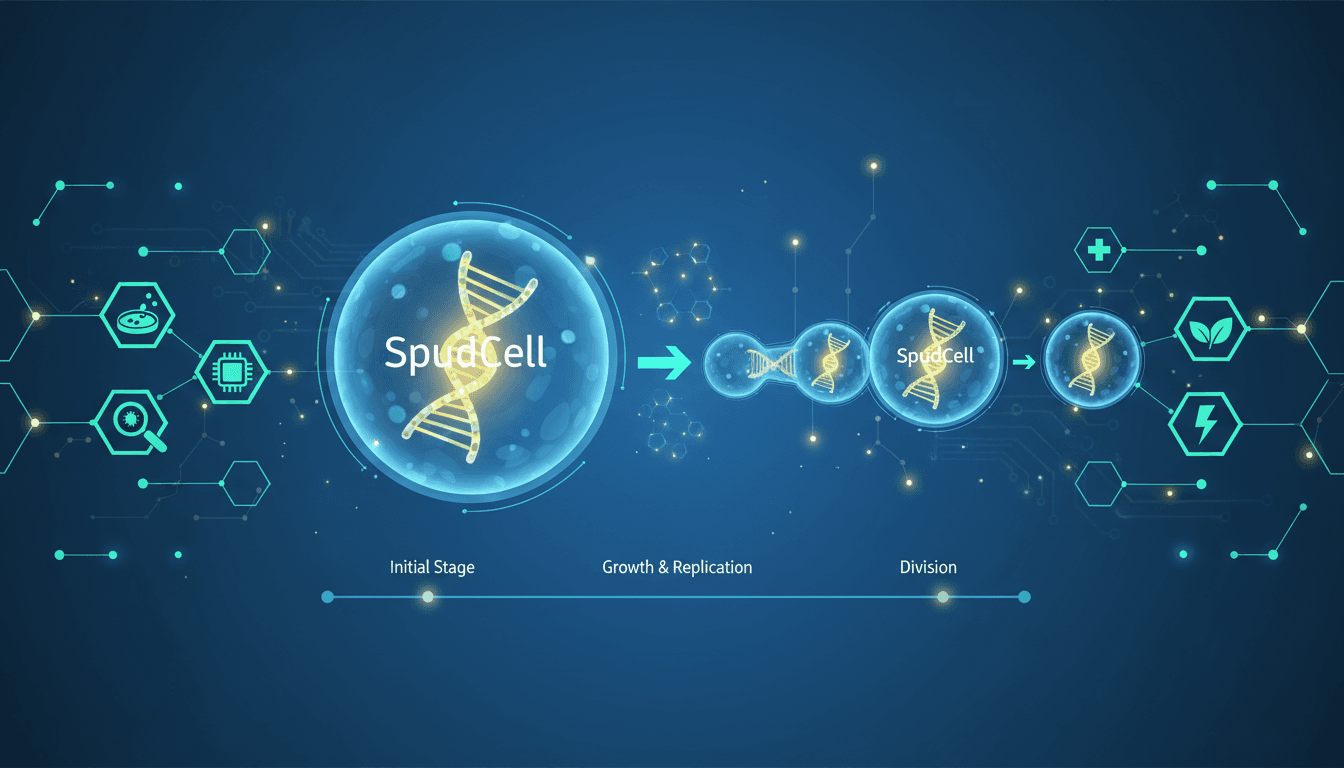
The development of SpudCell, a synthetic cell capable of growth and division, represents a significant leap in synthetic biology. This innovation could pave the way for artificial life forms that may transform industries such as healthcare, environmental sustainability, and energy production. As researchers continue to explore the potential applications of synthetic cells, the implications for biotechnology and related fields are profound. The ability to engineer cells that mimic life processes opens new avenues for research and development. Stakeholders in biotechnology and pharmaceuticals should closely monitor these advancements, as they may lead to groundbreaking solutions in drug production and food security.
What happened
Researchers have successfully created a synthetic cell named SpudCell that can grow and divide using lab-made DNA. This prototype cell incorporates 36 existing bacterial genes, showcasing a remarkable achievement in synthetic biology. While SpudCell demonstrates key characteristics of life, it is not yet classified as a fully living organism.
The announcement of this breakthrough was made on July 1, 2026, and has been reported by various media outlets. The synthetic cell is believed to be the first to exhibit a complete cell cycle, marking a pivotal moment in the field.
The Context
The creation of SpudCell is rooted in advancements in synthetic biology, which have allowed scientists to engineer cells from chemical compounds. This research is significant as it highlights the complexity of developing artificial life forms that could have practical applications. The integration of existing bacterial genes into the synthetic cell underscores the collaborative nature of this scientific endeavor.
As the research progresses, it could lead to the development of artificial organisms that may be utilized in drug, food, and fuel production. The implications of this work extend beyond theoretical discussions, potentially impacting various sectors and addressing pressing global challenges.
Takeaway
The development of synthetic cells like SpudCell could revolutionize biotechnology and synthetic biology in the near future. As researchers continue to refine their techniques, the potential applications of these synthetic cells in medicine and industry are vast. The ongoing exploration of artificial life forms may lead to innovative solutions for healthcare, environmental sustainability, and energy production.
Future advancements in synthetic biology will be crucial to understanding the full scope of possibilities that synthetic cells can offer. Stakeholders should remain vigilant as this field evolves, as it holds the promise of transformative changes across multiple sectors.
Discoveries, research, environment, and health innovations.
"New Scientist is a well-respected publication offering accessible science news, commentary, and expert analysis."
— A47 Editor
Have scientists really made a living cell from scratch? Not quite
Scientists have created a prototype cell that can partially replicate itself using 36 existing bacterial genes, marking a significant step in synthetic biology, although it does not yet qualify as a living organism.
Scientific research, space, environment, and health coverage.
"The New York Times is a globally recognized newspaper offering authoritative reporting with a center-left editorial stance."
— A47 Editor
SpudCell: Scientists Made a Cell With Most of the Hallmarks of Life. Here’s What to Know.
Scientists have developed SpudCell, a synthetic cell that exhibits many characteristics associated with living organisms, marking a significant advancement in synthetic biology. This innovation raises questions about the definition of life and the po...
Tech startup news, programming trends, and discussions shared by the developer community.
"Hacker News is a community-driven source highlighting influential tech discussions, startup launches, and programming insights."
— A47 Editor
For first time, a cell built from scratch grows and divides
For the first time, researchers have successfully created a cell from scratch that is capable of growing and dividing, marking a significant milestone in synthetic biology. This breakthrough demonstrates the potential for constructing life forms at a...
Reports on science policy, discoveries, and public debate in the scientific realm.
"The Guardian’s science section is known for thoughtful and critical reporting on global research, ethics, and public understanding of science."
— A47 Editor
‘Beautiful blobs’: synthetic life a step closer as scientists make cells using lab-made DNA
Researchers have made significant progress in synthetic biology by creating tiny, quivering spheres that utilize lab-made DNA to feed, grow, and multiply, marking a potential breakthrough in the creation of artificial life. These synthetic cells are ...
Top international stories selected by The Guardian editors.
"The Guardian is known for its progressive editorial stance and in-depth analysis."
— A47 Editor
‘Beautiful blobs’: synthetic life a step closer as scientists make cells using lab-made DNA
Researchers have made significant progress in synthetic biology by creating tiny, quivering spheres that utilize lab-made DNA to feed, grow, and multiply, marking a potential breakthrough in the creation of artificial life. These synthetic cells are ...
Deep science features including computing and AI theory.
"Award-winning longform science journalism."
— A47 Editor
For the First Time, a Cell Built From Scratch Grows and Divides
For the first time, researchers have successfully created a cell from scratch that is capable of growing and dividing, marking a significant milestone in synthetic biology. This breakthrough demonstrates the potential for constructing life forms at a...