
Qatar ramps up LNG exports through the Strait of Hormuz
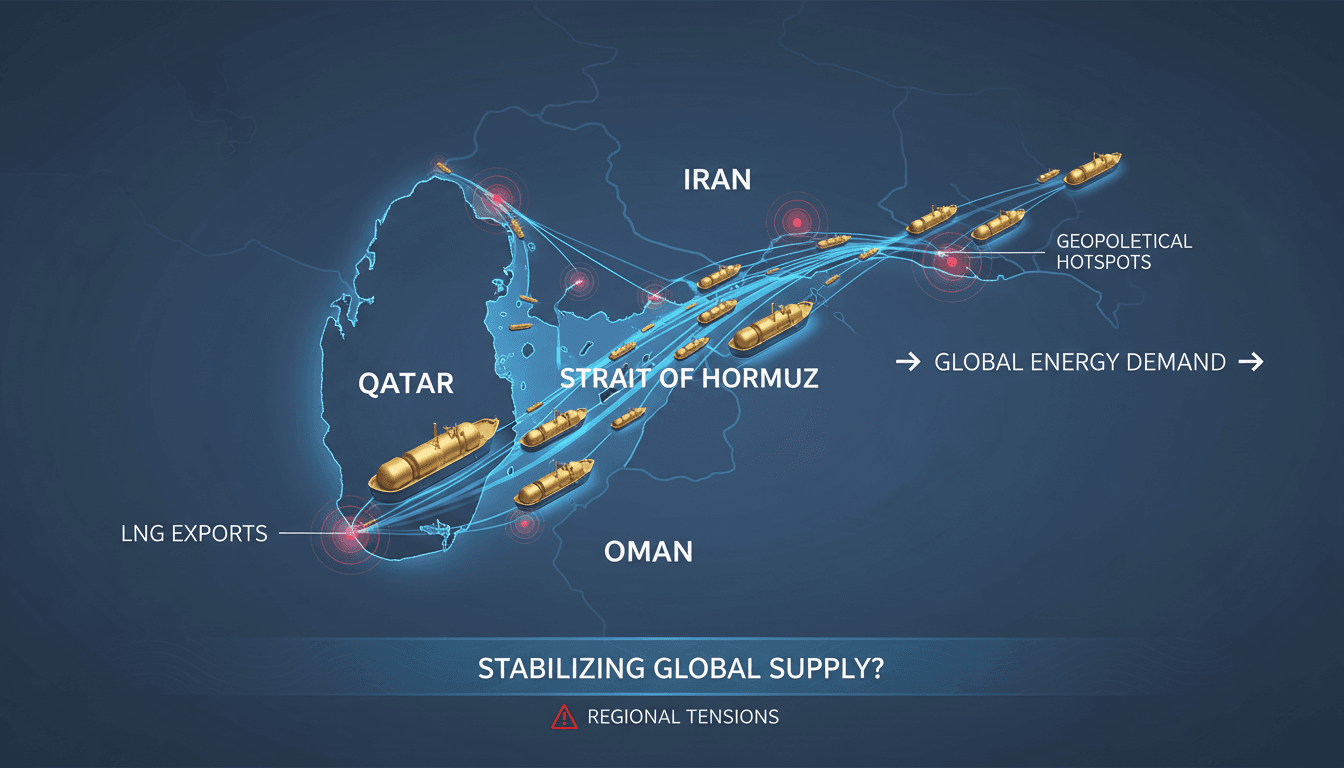
Here's what it means for you.
Qatar's increase in liquefied natural gas (LNG) exports signals a pivotal moment for global energy markets. As the country ramps up shipments, it could stabilize supply chains that have been under pressure from geopolitical tensions. This development is particularly relevant for energy-dependent nations looking to secure reliable sources of LNG. The implications extend beyond immediate supply; they may influence global LNG pricing and market dynamics. Stakeholders should remain vigilant as these changes unfold, particularly in light of the ongoing geopolitical landscape in the Gulf region.
What happened
Qatar has initiated a significant increase in its LNG exports, evidenced by the transit of empty tankers through the Strait of Hormuz. In recent weeks, seven empty Qatar-linked LNG tankers have entered this critical chokepoint, marking a potential resurgence in Gulf gas shipping. Notably, two supertankers also passed through the Strait on June 23, 2026, further indicating the uptick in activity.
This surge in tanker movements suggests that Qatar is preparing to restart shipments that contribute significantly to global supply. The country's LNG exports account for approximately 20% of the global market, underscoring its vital role in meeting rising energy demands.
The Context
The Strait of Hormuz is a crucial passage for global oil and gas shipments, making Qatar's actions particularly significant. Recent ship-tracking data indicates a rise in vessel transits through this vital route, which has historically been a focal point for geopolitical tensions. As Qatar ramps up its LNG exports, it positions itself as a key player in the global energy landscape.
The timing of this increase comes amid shifting geopolitical dynamics that have heightened the need for stable energy supplies. Qatar's strategic maneuvers could help mitigate some of the risks associated with these tensions, although the region remains fraught with uncertainty.
Takeaway
As Qatar resumes its LNG shipments, the potential for increased stability in global energy supplies becomes apparent. However, stakeholders should closely monitor changes in global LNG prices, as these could fluctuate with Qatar's enhanced export activities. Additionally, ongoing geopolitical developments in the Gulf region may still pose risks to shipping routes and market dynamics.
The situation warrants attention as it unfolds, particularly for those invested in energy markets. The implications of Qatar's actions could reverberate through supply chains and pricing structures in the near future.
Regional coverage and analysis focused on politics, diplomacy, and business across the Middle East.
"Al-Monitor is known for analytical reporting on Middle East politics and policy developments."
— A47 Editor
More vessels transit Hormuz, Qatar-linked LNG tankers return, data show
Two supertankers successfully transited the Strait of Hormuz, while seven empty Qatar-linked LNG tankers have entered the region in recent weeks, indicating a potential resumption of Gulf gas shipping. This development follows a period of heightened ...
Oil, metals, and agriculture: supply/demand headlines, OPEC chatter, inventories, and price action.
"Solid tape for energy and metals traders tracking macro and micro catalysts."
— A47 Editor
More vessels transit Hormuz, Qatar-linked LNG tankers return, data show
Recent data indicates an increase in vessel traffic through the Strait of Hormuz, with Qatar-linked liquefied natural gas (LNG) tankers returning to the route. This marks a significant shift in shipping dynamics, particularly following geopolitical t...
Global markets, investing, and macroeconomics from a premier financial newsroom.
"Bloomberg is respected for in-depth financial reporting and data-driven analysis."
— A47 Editor
Qatar Brings Empty LNG Ships Through Hormuz as Exports Rise
Qatar is increasing its liquefied natural gas (LNG) exports by bringing empty LNG tankers through the Strait of Hormuz, a strategic maritime route, as it prepares to resume shipments that account for approximately 20% of global supply. This move come...