
Oil prices stabilize as U.S.-Iran negotiations stall
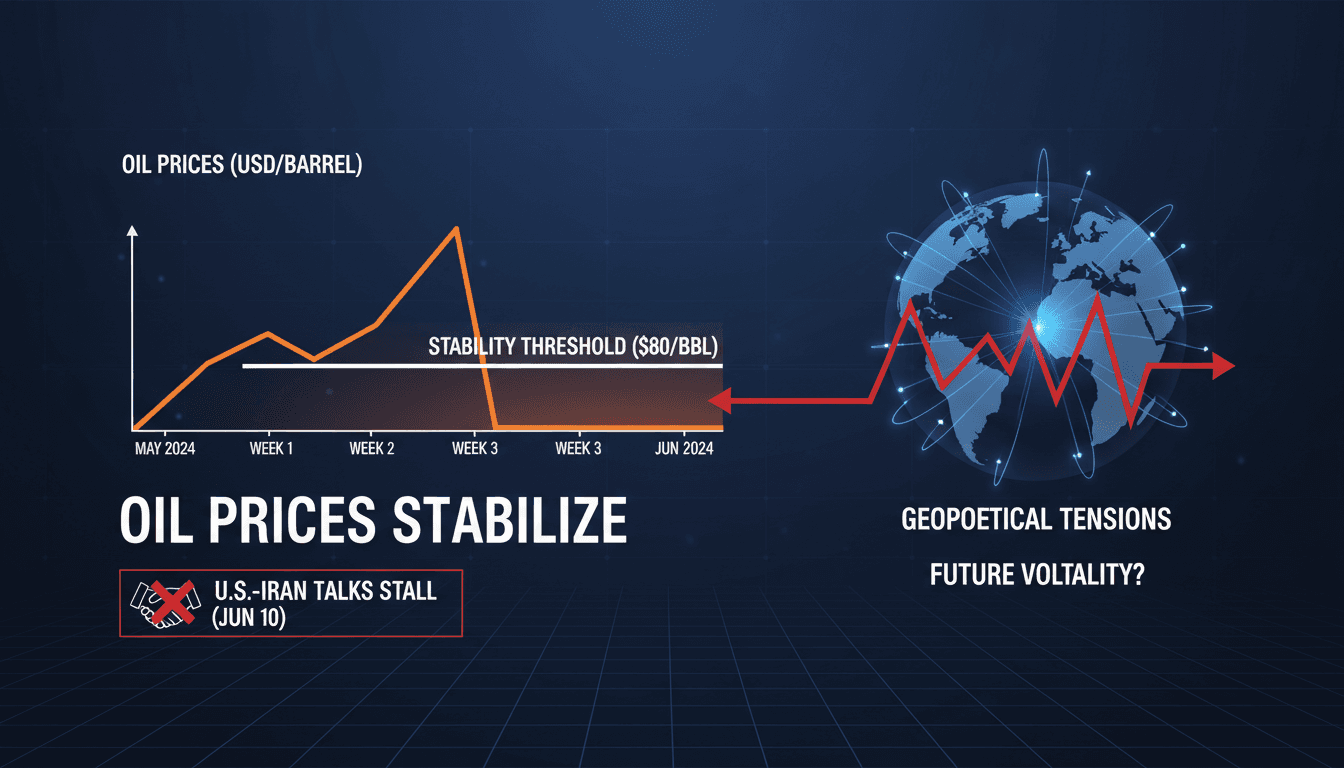
Here's what it means for you.
The stabilization of oil prices as the U.S. holiday weekend approaches indicates a momentary pause in a volatile market. With Brent oil nearing the psychological $70 mark, traders are likely to remain cautious, especially given the recent breakdown in U.S.-Iran negotiations. This situation underscores the importance of geopolitical developments in shaping market dynamics. Market participants will need to stay alert to any shifts in U.S.-Iran relations, as these could significantly impact oil supply and pricing. The current stability may be temporary, and the potential for renewed volatility looms as tensions persist.
What happened
Oil prices have remained relatively flat as the market approaches the U.S. holiday weekend, following a four-week decline. The immediate trigger for this stability is the breakdown of U.S.-Iran talks, which has raised concerns about future oil supply. Brent oil prices are slipping closer to the $70 threshold, a significant level that traders are closely monitoring.
The market's reaction comes after a prolonged losing streak in oil prices, indicating a cautious sentiment among investors. As geopolitical tensions continue to influence market dynamics, the implications for oil supply remain uncertain.
The Context
The current state of the oil market is heavily influenced by ongoing geopolitical tensions, particularly between the U.S. and Iran. The recent breakdown in negotiations has raised alarms about potential disruptions in oil supply, which could exacerbate existing market volatility. As Brent oil approaches the $70 mark, this price level serves as a psychological barrier for traders, potentially influencing future market movements.
Understanding the implications of these geopolitical developments is crucial for stakeholders in the oil industry. The timing of the U.S. holiday weekend adds another layer of complexity, as market reactions may vary based on investor sentiment and news updates.
Takeaway
Looking ahead, market participants will closely monitor updates on U.S.-Iran negotiations and their potential impact on oil supply. The stability observed in oil prices may be short-lived, particularly if geopolitical tensions escalate. As the situation evolves, traders should remain vigilant for any signs of renewed volatility in the oil market.
The upcoming U.S. holiday weekend could also influence market behavior, as traders assess the implications of current events on supply and pricing dynamics. Keeping an eye on these developments will be essential for navigating the uncertain landscape of the oil market.
Oil, metals, and agriculture: supply/demand headlines, OPEC chatter, inventories, and price action.
"Solid tape for energy and metals traders tracking macro and micro catalysts."
— A47 Editor
Oil prices flat ahead of U.S. holiday weekend and after a four-week losing streak
Oil prices remained flat ahead of the U.S. holiday weekend, following a four-week losing streak that has seen significant declines in the market. The stability comes amid ongoing geopolitical tensions and mixed signals from U.S.-Iran peace talks, whi...
UAE-based English-language newspaper covering regional politics, economics, and global affairs.
"The National reflects Emirati policy perspectives while maintaining international editorial standards."
— A47 Editor
Brent oil slips closer to $70 as market keeps watch on US-Iran talks
Brent oil prices have slipped closer to $70 per barrel as the market closely monitors ongoing negotiations between the United States and Iran in Doha. These talks aim to address escalating tensions and military actions that have affected oil supply d...
Regional and international reporting focused on Middle Eastern politics, diplomacy, and economics.
"Asharq Al-Awsat is a Saudi-owned international newspaper reflecting mainstream Gulf political perspectives."
— A47 Editor
Oil Edges Higher as Breakdown in Iran-US Talks Raises Supply Concerns
Oil prices have edged higher following a breakdown in negotiations between Iran and the United States, raising concerns about potential supply disruptions in the Middle East. Brent crude futures rose to $73.28 per barrel amid these tensions.