
Iran escalates attacks on commercial ships in the Strait of Hormuz
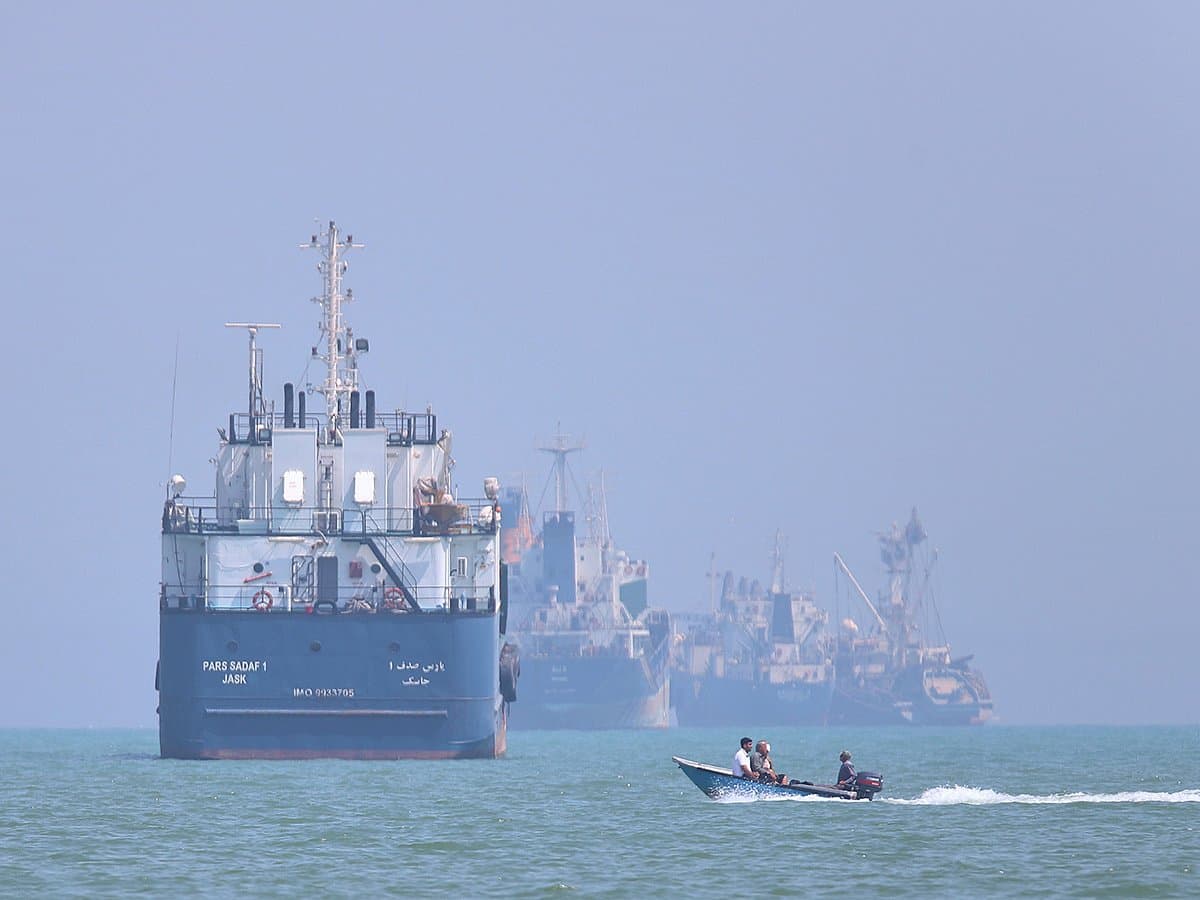
Here's what it means for you.
The recent escalation of attacks by Iran on commercial vessels in the Strait of Hormuz signals a significant shift in regional dynamics, particularly concerning global oil supply. Stakeholders in the oil market should be aware of the potential for increased instability, which could affect shipping routes and oil prices. Policymakers must consider the implications of Iran's actions during a ceasefire, as this may indicate a miscalculation that could lead to further military engagements.
What happened
Iran has intensified its attacks on commercial ships in the Strait of Hormuz, a vital waterway for global oil transport. This aggressive posture appears to stem from Tehran's concerns about losing its regional influence as alternative oil routes gain traction. The attacks occurred during a 60-day ceasefire, raising questions about Iran's strategic judgment and decision-making.
Analysts suggest that these actions could represent a significant miscalculation for Iran, particularly as they unfold amidst a period of relative calm. The situation underscores the ongoing tensions in the Middle East and the critical importance of the Strait of Hormuz for international maritime security.
The Context
The Strait of Hormuz is a crucial chokepoint for global oil shipments, making it a focal point for geopolitical tensions. Iran's recent military actions are perceived as a response to the emergence of alternative oil supply routes, which threaten to diminish its strategic control over the region. The timing of these attacks during a ceasefire raises concerns about Iran's strategic calculations and its willingness to escalate conflicts.
As alternative routes become more viable, Iran's ability to exert influence may be challenged, potentially leading to shifts in regional power dynamics. The international community is closely monitoring these developments, as they could have far-reaching implications for maritime security and global oil markets.
Takeaway
The evolving dynamics in the Strait of Hormuz may lead to increased tensions and further military actions from Iran. Stakeholders should closely monitor Iran's future military engagements and the responses from affected nations, as these could significantly impact oil supply routes and regional stability. The situation calls for a reevaluation of strategic calculations by all parties involved, particularly as alternative oil routes continue to develop.
As the geopolitical landscape shifts, the potential for increased maritime security challenges looms large, necessitating vigilance from both policymakers and market participants.
UAE-based newspaper covering Gulf politics, society, and international developments.
"Gulf News is one of the UAE’s most prominent English-language publications."
— A47 Editor
Did Iran overplay its Hormuz leverage? Why attacking commercial ships during 60-day ceasefire may have cost Tehran its greatest strategic miscalculation
Iran's recent missile attacks on commercial vessels in the Strait of Hormuz during a 60-day ceasefire have raised significant concerns, as these actions may represent a strategic miscalculation by Tehran. The attacks have led to a swift response from...
A curated Gulf News feed featuring major stories across news, business, opinion, and lifestyle.
"Gulf News is a major UAE newspaper whose featured stories feed reflects a broad editorial mix shaped for a Gulf audience."
— A47 Editor
Did Iran overplay its Hormuz leverage? Why attacking commercial ships during 60-day ceasefire may have cost Tehran its greatest strategic miscalculation
Iran's recent missile attacks on commercial vessels in the Strait of Hormuz during a 60-day ceasefire have raised significant concerns, as these actions may represent a strategic miscalculation by Tehran. The attacks have led to a swift response from...
UAE-based newspaper covering Gulf politics, society, and international developments.
"Gulf News is one of the UAE’s most prominent English-language publications."
— A47 Editor
Inside Iran's ‘golden weapon’: The real story behind Tehran’s tanker attacks
Iran's recent military actions in the Strait of Hormuz, including missile strikes on commercial vessels, have escalated tensions in the region, raising concerns about maritime security and international shipping routes. These attacks are part of Iran...
A curated Gulf News feed featuring major stories across news, business, opinion, and lifestyle.
"Gulf News is a major UAE newspaper whose featured stories feed reflects a broad editorial mix shaped for a Gulf audience."
— A47 Editor
Inside Iran's ‘golden weapon’: The real story behind Tehran’s tanker attacks
Iran's recent military actions in the Strait of Hormuz, including missile strikes on commercial vessels, have escalated tensions in the region, raising concerns about maritime security and international shipping routes. These attacks are part of Iran...
Global political, business, and cultural coverage from WSJ international desks.
"The Wall Street Journal offers extensive international reporting with a reputation for financial insight and a center-right editorial stance."
— A47 Editor
Iran’s Attacks on Ships Betray Its Concern Over Losing Its Grip on Hormuz
Iran's recent missile attacks on ships near the Strait of Hormuz, executed by the Revolutionary Guard, highlight Tehran's escalating tensions in the region as it struggles to maintain control over this vital maritime route. These actions come amid in...