
U.S. and Iran Reach Preliminary Agreement to Reopen Strait of Hormuz
Here's what it means for you.
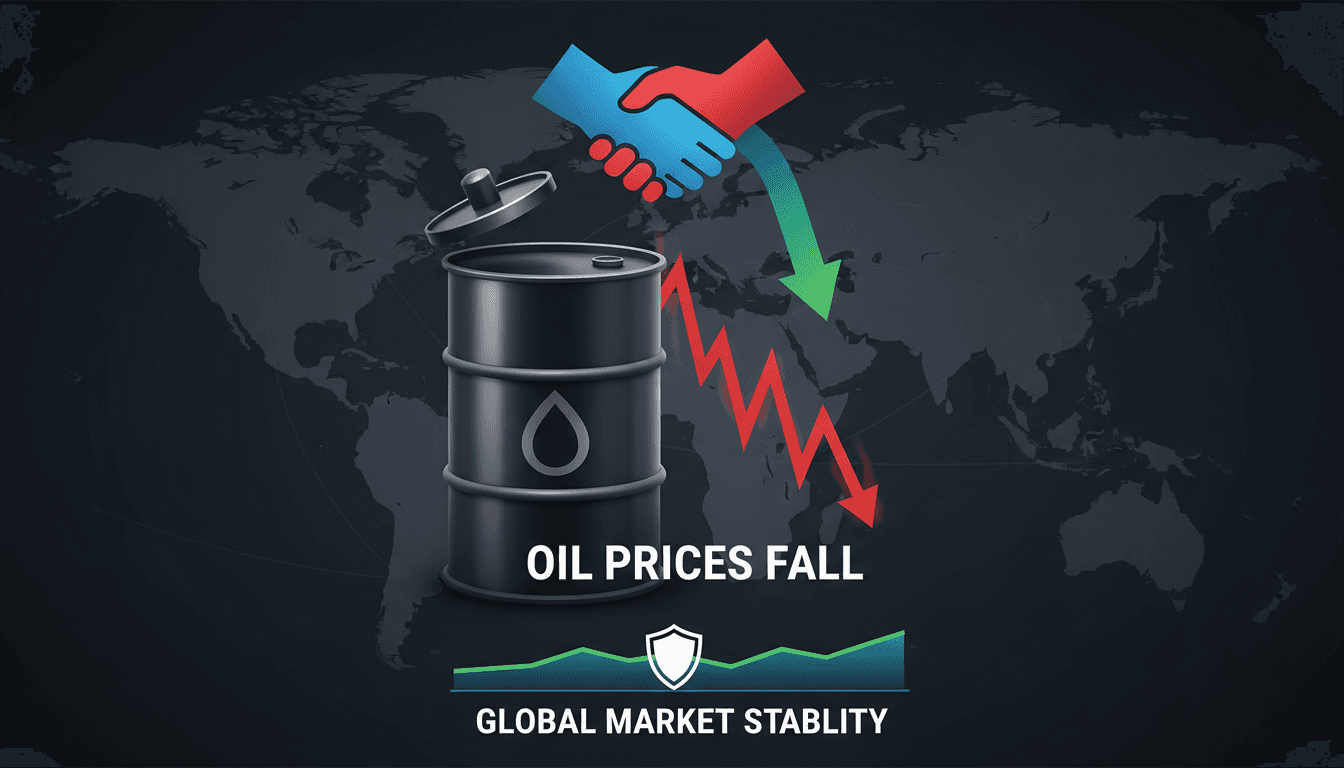
The recent agreement between the U.S. and Iran to reopen the Strait of Hormuz signals a significant shift in geopolitical dynamics, particularly for global oil markets. With oil prices dropping over 5%, this development may alleviate supply concerns that have plagued the market for months. As military tensions ease, stakeholders can expect a more stable environment for oil and gas flows, which is crucial for economic stability. This agreement not only impacts oil prices but also reflects broader diplomatic efforts to reduce hostilities in the region. The implications for energy policy and market strategies will be closely monitored as the situation evolves.
What happened
Oil prices fell by more than 5% following the announcement of a preliminary agreement between the U.S. and Iran to reopen the Strait of Hormuz. This deal aims to restore oil and gas flows that had been disrupted for over three months due to military actions. Brent crude oil prices dropped by $3.51 to $83.82 per barrel, while West Texas Intermediate crude fell by $3.93, marking the lowest oil price level seen in three months.
The agreement includes provisions for free navigation through the Strait of Hormuz without fees, which is expected to further ease market tensions. A formal signing of the memorandum of understanding is scheduled to take place in Switzerland on Friday.
The Context
The Strait of Hormuz is a critical chokepoint for global oil transportation, making the recent agreement between the U.S. and Iran particularly significant. Both nations have been under pressure to ease military tensions, which have disrupted vital oil and gas flows. Analysts believe that the easing of these tensions will stabilize global oil supplies and reduce geopolitical risk premiums in the market.
The deal comes at a time when oil prices have been volatile, and the market has been sensitive to geopolitical developments. The formalization of this agreement in Switzerland will be a key moment for stakeholders, as it could set the tone for future relations between the U.S. and Iran.
Takeaway
As the geopolitical landscape shifts with the potential reopening of the Strait of Hormuz, oil markets may experience increased stability. Market analysts will be closely monitoring the formal signing of the agreement in Switzerland and any subsequent changes in oil supply dynamics. The long-term implications of this deal could lead to a stabilization of oil prices as supply concerns diminish.
Ongoing developments in the region will be essential to assess the full impact of this agreement on global oil markets. Stakeholders should remain vigilant as the situation unfolds in the coming weeks.
Arabic-language coverage of international news and geopolitics.
"RT Arabic is a Russian state-funded outlet often criticized for promoting Kremlin-aligned narratives."
— A47 Editor
اتفاق واشنطن وطهران يدفع النفط إلى أدنى حاجز له منذ 3 أشهر
Oil prices have dropped to their lowest level in three months following the announcement by U.S. President Donald Trump regarding a memorandum of understanding between the United States and Iran aimed at ending the conflict and reopening the Strait o...
Sports reporting with a focus on Saudi and regional competitions.
"Okaz sports coverage is broad and audience-friendly, with strong attention to Saudi teams and leagues."
— A47 Editor
انخفاض النفط بأكثر من 5% ونايمكس دون 80 دولارًا
Oil prices fell by more than 5% during trading on Monday, reaching their lowest levels since March, following the announcement of a preliminary agreement between U.S. President Donald Trump and Iranian Deputy Foreign Minister to end military operatio...
Arabic-language coverage of Saudi, regional, and international affairs.
"Al Bilad offers mainstream Saudi newspaper coverage across domestic and broader Arab topics."
— A47 Editor
الاتفاق الأمريكي الإيراني يهبط بالنفط والدولار
Oil prices fell significantly following the announcement of a peace agreement between the United States and Iran, as confirmed by President Donald Trump and Iranian officials. The agreement aims to halt hostilities and restore navigation through the ...