
Nvidia CEO defends Chinese open-source AI amid U.S. sanctions discussions
Here's what it means for you.
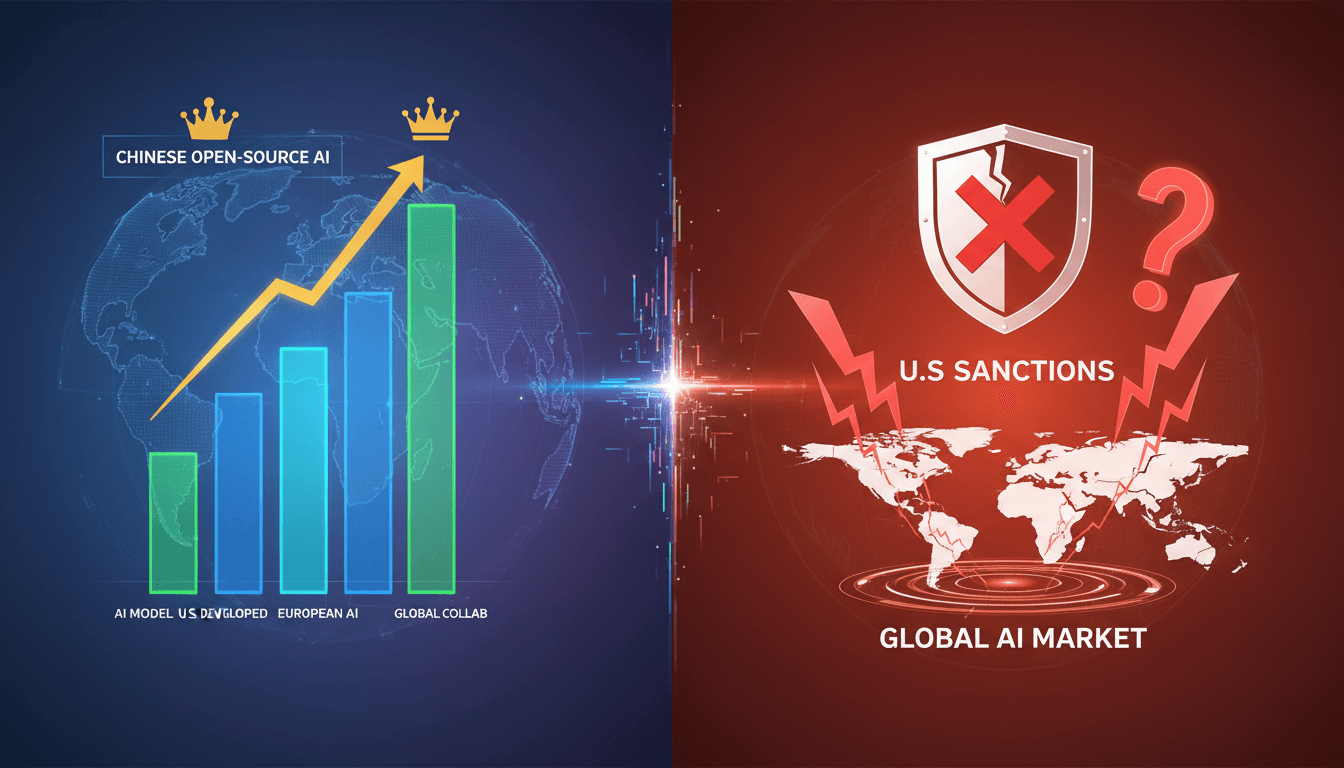
Nvidia's CEO Jensen Huang's defense of Chinese open-source AI models highlights a pivotal moment in the ongoing debate over technology and intellectual property. As U.S. officials contemplate sanctions, the implications for the AI market and international relations are profound. Embracing high-quality AI models could drive demand for technology infrastructure, influencing both market dynamics and policy decisions.
What happened
Jensen Huang publicly advocated for the acceptance of Chinese open-source AI models, asserting their excellence during a time of increasing scrutiny from U.S. officials. His comments come as the U.S. Treasury Secretary has warned of potential sanctions against these models due to alleged intellectual property theft. Huang emphasized the potential benefits of open-source AI, particularly in relation to the demand for chips and data centers.
The recent release of the Chinese AI model Kimi K3, which ranked third in independent evaluations, further underscores the competitive landscape. Huang's remarks reflect a growing tension between innovation and regulatory scrutiny in the AI sector, particularly as the U.S. government considers its next steps.
The Context
The backdrop of Huang's defense is a complex interplay of technology, policy, and international relations. The U.S. government is increasingly concerned about intellectual property theft, particularly in the realm of AI, which has led to discussions about sanctions against Chinese models. This scrutiny comes at a time when the capabilities of Chinese AI are gaining recognition, as evidenced by Kimi K3's strong performance.
Huang's comments are significant not only for Nvidia but also for the broader tech industry, as they challenge the narrative surrounding Chinese technology. The ongoing debate may shape future U.S. policy and influence how companies approach the adoption of AI models from different regions.
Takeaway
The discourse surrounding Chinese AI models and potential U.S. sanctions is likely to have lasting implications for the global AI market. Stakeholders should closely monitor developments in U.S. government actions regarding sanctions, as these could significantly impact the adoption and performance of open-source AI models. The situation presents an opportunity for innovation, but it also raises questions about regulatory frameworks and international collaboration.
As the landscape evolves, the balance between embracing technological advancements and addressing security concerns will be crucial. The outcome of this debate may redefine the future of AI development and international relations in technology.
Tech news, hardware, and AI tools coverage.
"PC/tech site increasingly covering AI hardware and apps."
— A47 Editor
Nvidia's Jensen Huang defends Chinese AI: "Open-source models that are excellent should be used"
Nvidia CEO Jensen Huang defended the quality of Chinese AI models, particularly highlighting the capabilities of Moonshot AI's Kimi K3, which recently ranked third in an AI performance index. Huang emphasized the importance of utilizing excellent ope...
Corporate leadership, finance, technology, and market trends.
"Fortune covers financial trends, leadership, and innovation with a pragmatic editorial approach."
— A47 Editor
As Washington panics about Chinese AI, Jensen Huang says open-source models like Kimi are ‘excellent’ and should be embraced, not banned
Jensen Huang, CEO of Nvidia, emphasized the importance of open-source AI models like Kimi, stating they should be embraced rather than banned, amid rising concerns in Washington regarding Chinese AI advancements. He believes these models could signif...
Opinionated AI coverage for general audiences.
"TNW’s AI vertical covering tools, ethics, and trends."
— A47 Editor
Washington wants to sanction Chinese AI for ‘theft’. Nvidia’s Jensen Huang says that’s backwards.
U.S. Treasury Secretary Scott Bessent announced potential sanctions against Chinese AI models, citing concerns over intellectual property theft. This warning aligns with ongoing scrutiny of Chinese open-source AI technologies, which the U.S. governme...
Curated tech headlines including AI stories.
"Influential aggregator surfacing the day’s top tech/AI links."
— A47 Editor
Jensen Huang says "these Chinese models are excellent", "open-source models that are excellent should be used", and "free AI should be great for hardware" (Zachary Basu/Axios)
In a recent interview, Jensen Huang, CEO of Nvidia, praised the quality of Chinese AI models, stating that they are excellent and advocating for the use of high-quality open-source models. He emphasized that free AI should significantly benefit hardw...