
NASA's Swift observatory rescue mission faces critical challenges as LINK spacecraft malfunctions
What happened
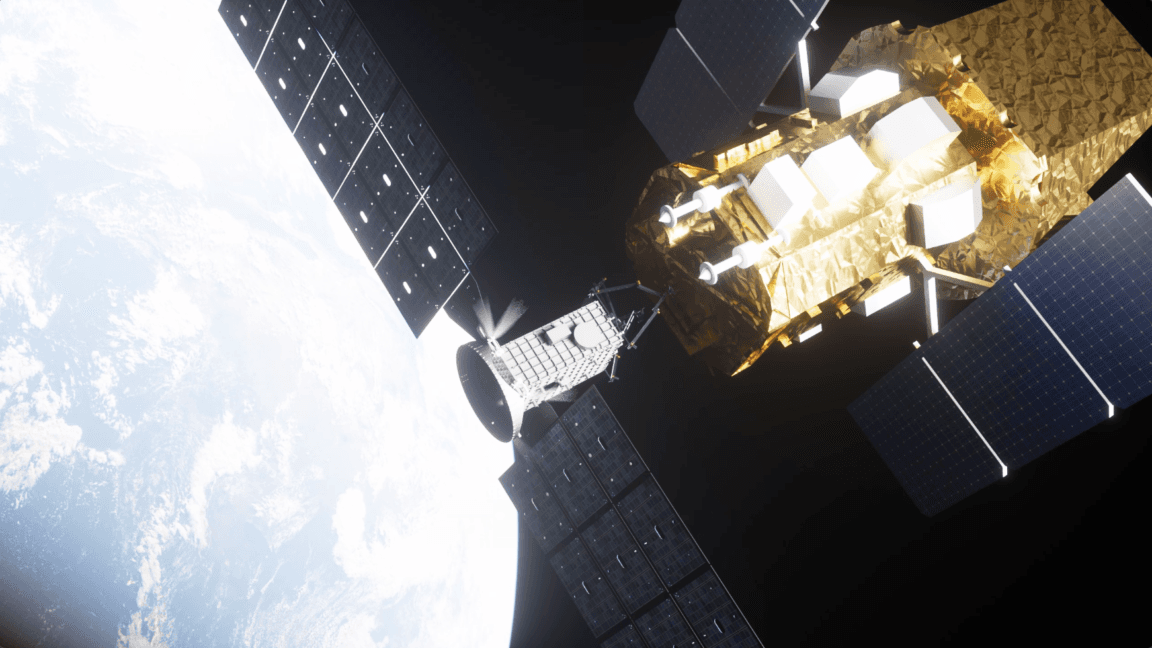
NASA's LINK spacecraft, which was launched to rescue the Swift observatory, has begun spinning uncontrollably in orbit. This malfunction occurred just four days after its launch, complicating efforts to stabilize and elevate the Swift telescope's orbit. Engineers are currently working to regain control of the LINK spacecraft to ensure the success of the mission.
The situation is critical, as the Swift observatory is at risk of falling from its operational orbit. Despite the challenges, engineers remain optimistic about the potential for a successful resolution.
The Context
The Swift observatory plays a vital role in astronomical observations, making its stability crucial for ongoing research. The LINK spacecraft was specifically designed to push Swift to a higher orbit, ensuring its continued functionality. With the spacecraft now malfunctioning, the urgency to resolve the issue has intensified.
This incident underscores the complexities of space missions, where technical failures can have significant consequences. The implications of losing the Swift observatory extend beyond immediate operational concerns, potentially affecting future NASA missions and the broader scientific community.
Takeaway
Engineers are committed to resolving the issues with the LINK spacecraft to save the Swift observatory. As recovery efforts continue, updates on the situation will be closely watched by both the public and professionals in the field. The outcome of this mission will likely influence future NASA missions and the direction of astronomical research.
The determination of the engineering team to stabilize the LINK spacecraft reflects the resilience and innovation that characterize NASA's approach to challenges in space exploration. Observers should stay tuned for developments that could shape the future of space missions.
In-depth reporting on tech, policy, and science including AI.
"Respected analysis for technically savvy readers, including AI topics."
— A47 Editor
Here's how engineers plan to save the satellite sent to save NASA's Swift mission
Engineers are actively working on a plan to save NASA's Swift telescope, which is currently at risk of falling back to Earth due to its deteriorating condition. The mission involves a $30 million salvage operation aimed at restoring the satellite's f...
In-depth coverage of hardware, software, science, and policy.
"Ars Technica provides expert technology news, hardware reviews, and analysis for a technically savvy audience."
— A47 Editor
Here's how engineers plan to save the satellite sent to save NASA's Swift mission
Engineers are actively working on a plan to save NASA's Swift telescope, which is currently at risk of falling back to Earth due to its deteriorating condition. The mission involves a $30 million salvage operation aimed at restoring the satellite's f...
Scientific discoveries, health, technology, and natural phenomena.
"Live Science reports on scientific discoveries, health, technology, and natural phenomena with a popular science tone."
— A47 Editor
'We are not giving up yet': Private mission to rescue NASA's Swift telescope is spinning out of control, and engineers are racing to fix it
Katalyst Space's LINK spacecraft is currently experiencing an unexpected spin in orbit, complicating efforts to rescue NASA's Swift observatory, which is at risk of falling out of orbit. Engineers are working urgently to stabilize the spacecraft and ...
Scientific research, space, environment, and health coverage.
"The New York Times is a globally recognized newspaper offering authoritative reporting with a center-left editorial stance."
— A47 Editor
Mission to Save Falling NASA Space Telescope Suffers Setback
NASA's mission to save the Swift Observatory has encountered a significant setback as the spacecraft designed to elevate its orbit has malfunctioned and begun to tumble. Engineers remain hopeful that the mission can still succeed despite this complic...
Consumer technology news with AI coverage.
"Gadget and tech site reporting on AI in products."
— A47 Editor
The spacecraft NASA sent to rescue the falling Swift observatory is in trouble
NASA's LINK spacecraft, launched to rescue the Swift observatory from a critical decline in its orbit, is facing challenges that jeopardize its mission. The Swift telescope, which has been vital for astronomical observations, is at risk of falling ba...
Covers consumer technology, electronics, gadgets, and product reviews.
"Engadget is a trusted source for gadget reviews and consumer tech news, known for its hands-on analysis and industry coverage."
— A47 Editor
The spacecraft NASA sent to rescue the falling Swift observatory is in trouble
NASA's LINK spacecraft, launched to rescue the Swift observatory from a critical decline in its orbit, is facing challenges that jeopardize its mission. The Swift telescope, which has been vital for astronomical observations, is at risk of falling ba...