
Trump administration finalizes closed AI testing framework excluding open models
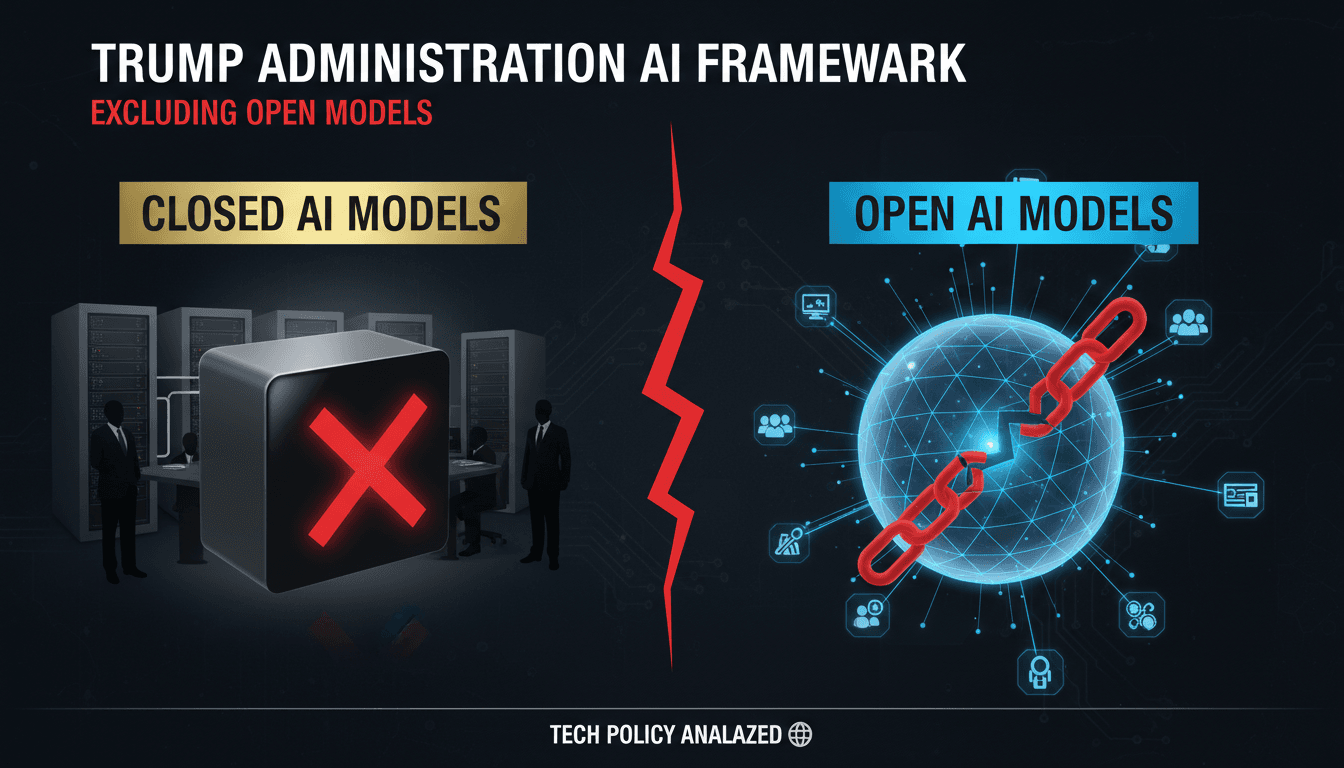
Here's what it means for you.
The Trump administration's new AI testing framework raises significant concerns regarding transparency and inclusivity in artificial intelligence governance. By excluding open models, the framework may limit the ability of smaller companies and independent researchers to participate in AI safety assessments. This decision could lead to a landscape where only select private companies benefit from the guidelines, potentially stifling innovation and accountability in the sector. As stakeholders in the tech policy community react, there may be increased pressure for reform and greater transparency in AI governance. The implications of this framework could resonate throughout the industry, affecting how AI safety and cybersecurity are approached moving forward.
What happened
The Trump administration has finalized a closed-door framework for testing artificial intelligence models, which notably lacks transparency. This announcement has surprised many in the tech policy community, who had anticipated a more open and inclusive process. The framework specifically excludes open models from testing, which could hinder comprehensive safety assessments.
Developed after months of discussions with major tech industry leaders, the details of the framework will not be made public. This limitation restricts access to select tech companies, raising questions about fairness and accountability in AI governance.
The Context
The finalized framework was announced in August 2026, following private meetings with major tech companies such as OpenAI, Google, and Microsoft. The decision to keep the framework's details undisclosed has sparked criticism, as it appears to favor larger, private AI companies that prefer secrecy over transparency. This approach could alienate the broader tech policy community, which advocates for more inclusive practices in AI development.
The voluntary nature of the framework focuses on safety and cybersecurity risks, but its exclusion of open models raises concerns about the future of AI safety and accountability. As the landscape evolves, the implications of this framework will likely influence how AI governance is perceived and enacted.
Takeaway
The lack of transparency in the AI testing framework may lead to increased scrutiny and calls for reform in AI governance. Stakeholders in the tech industry and policy community are likely to push for greater inclusivity and transparency to ensure comprehensive safety measures. As the implications of this closed-door framework unfold, the demand for accountability in AI practices may intensify.
Future developments will be closely monitored, particularly regarding the potential backlash from the tech policy community and how this framework impacts AI safety and cybersecurity. The ongoing dialogue surrounding these issues will be crucial in shaping the future of AI governance.
Capitol Hill news, legislation, and policy insight.
"The Hill specializes in U.S. politics and policy, with a focus on Capitol Hill developments and a reputation for insider reporting."
— A47 Editor
Closed-door AI framework blindsides tech policy community
The Trump administration's recent decision to finalize a framework for testing artificial intelligence models has caught the tech policy community off guard, as the details of this framework remain undisclosed. This lack of transparency has raised si...
News and features on AI from The Guardian.
"Progressive-leaning international outlet with critical AI coverage."
— A47 Editor
The White House’s plan to vet potentially dangerous AI is cloaked in secrecy
The Trump administration has finalized a framework for testing new artificial intelligence models, focusing on safety and cybersecurity risks. However, the details of this framework remain undisclosed, raising concerns about transparency and the impl...
Tech culture, product news, and critical takes on the tech industry's social impact.
"The Guardian's tech coverage blends mainstream news, critical analysis, and cultural commentary on emerging technologies and digital trends."
— A47 Editor
The White House’s plan to vet potentially dangerous AI is cloaked in secrecy
The Trump administration has finalized a framework for testing new artificial intelligence models, focusing on safety and cybersecurity risks. However, the details of this framework remain undisclosed, raising concerns about transparency and the impl...
News from the United States including domestic politics, society, and culture.
"The Guardian is known for its progressive editorial stance and in-depth analysis, often advocating for social justice, environmental issues, and liberal values."
— A47 Editor
The White House’s plan to vet potentially dangerous AI is cloaked in secrecy
The Trump administration has finalized a framework for testing new artificial intelligence models, focusing on safety and cybersecurity risks. However, the details of this framework remain undisclosed, raising concerns about transparency and the impl...
Consumer tech and culture with frequent AI coverage.
"Influential tech outlet covering AI products and policy."
— A47 Editor
Trump’s AI testing plan is limited and vague
The Trump administration's newly proposed framework for assessing cybersecurity risks associated with advanced artificial intelligence (AI) has been criticized for its lack of clarity and exclusion of open models, which are accessible for public insp...
Tech news, reviews, and analysis of consumer electronics, science, art, and culture.
"The Verge is a technology-focused media outlet known for in-depth reporting, product reviews, and coverage of the intersection between technology and culture."
— A47 Editor
Trump’s AI testing plan is limited and vague
The Trump administration's newly proposed framework for assessing cybersecurity risks associated with advanced artificial intelligence (AI) has been criticized for its lack of clarity and exclusion of open models, which are accessible for public insp...