
NASA's Artemis I mission successfully tests radiation-blocking vest for astronaut safety
What happened
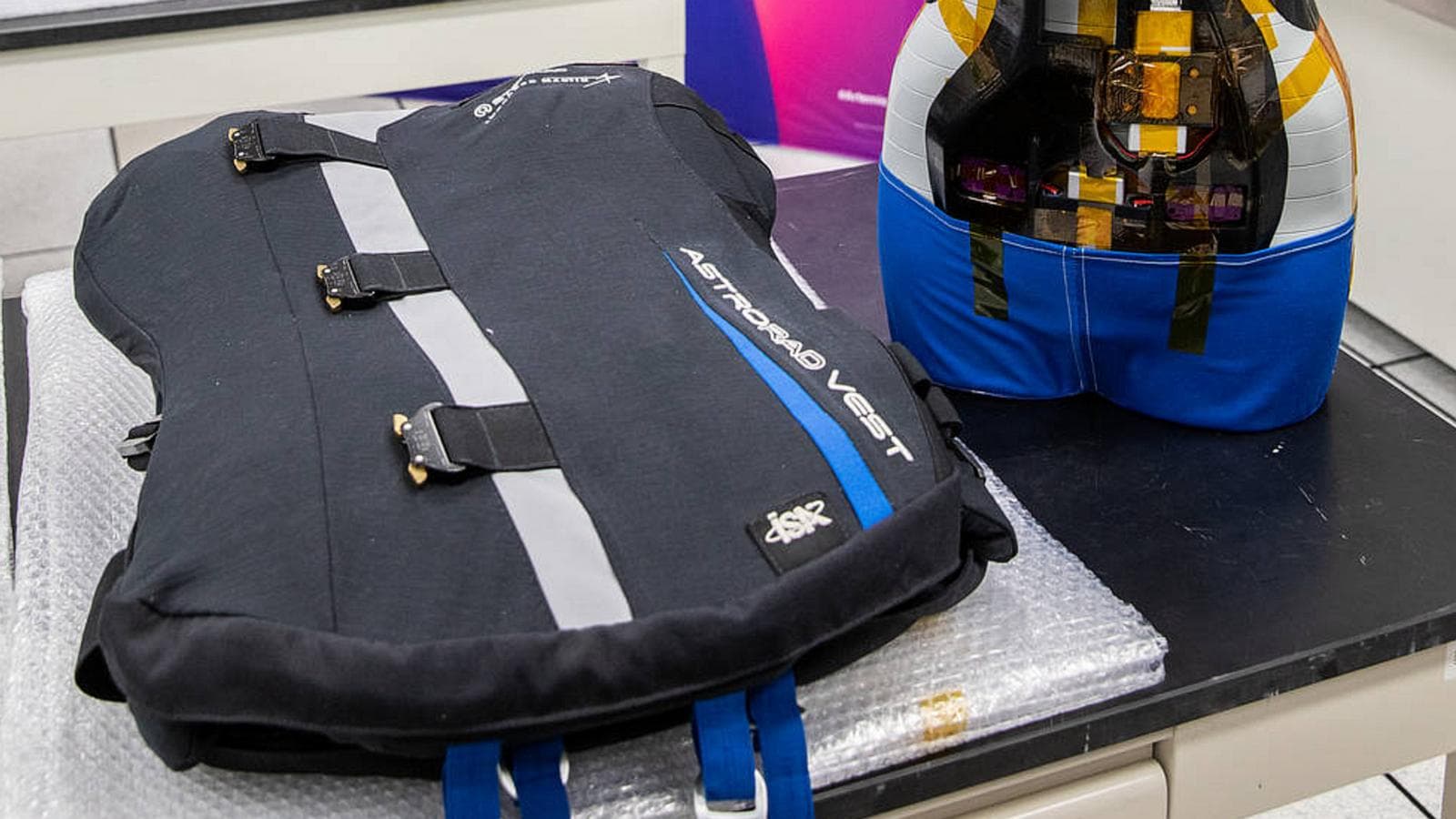
NASA has successfully tested a radiation-shielding vest known as the AstroRad during its Artemis I mission. The vest was evaluated on a manikin named Zohar aboard the Orion capsule during its lunar flyby in 2022. This test demonstrated the vest's effectiveness in significantly reducing radiation exposure for astronauts, particularly during severe solar storms.
The AstroRad vest is designed to protect astronauts from harmful radiation, which is a critical concern for long-duration space missions. The results from this test indicate a promising future for the use of such technology in upcoming lunar and Martian explorations.
The Context
The testing of the AstroRad vest is a pivotal step in NASA's ongoing efforts to ensure astronaut safety on future missions. With the potential to reduce radiation exposure by up to 60%, this technology addresses one of the most significant risks associated with space travel. The Artemis I mission, which took place in 2022, is part of a broader initiative to return humans to the Moon and eventually send them to Mars.
The vest was tested on two manikins equipped with thousands of radiation sensors, providing valuable data for future studies. As NASA prepares for more ambitious missions, the development of effective radiation protection technologies will be essential for mission success and astronaut well-being.
Takeaway
The successful testing of the AstroRad vest paves the way for safer human exploration of the Moon and Mars. As NASA continues to refine this technology, further developments in radiation protection will be closely monitored. Upcoming Artemis missions will likely incorporate lessons learned from this test, enhancing the safety protocols for astronauts.
The focus on radiation protection technology signifies a commitment to addressing the challenges of long-duration space travel. As research progresses, the implications for human space exploration will become increasingly significant.
Tech news, hardware, and AI tools coverage.
"PC/tech site increasingly covering AI hardware and apps."
— A47 Editor
NASA-tested vest could cut astronauts' radiation exposure by 60% during major solar storms
NASA has developed the AstroRad vest, which has been shown to reduce astronauts' radiation exposure by 60% during significant solar storms. This vest was tested on Zohar, a female manikin aboard the Orion capsule, alongside Helga, which wore no vest,...
In-depth reporting on tech, policy, and science including AI.
"Respected analysis for technically savvy readers, including AI topics."
— A47 Editor
We've flown a radiation-blocking vest to the Moon and back, and it worked
A radiation-blocking vest designed for astronauts has successfully been flown to the Moon and back, demonstrating its effectiveness in protecting against harmful radiation. This innovative approach shifts the focus from shielding spacecraft to direct...
In-depth coverage of hardware, software, science, and policy.
"Ars Technica provides expert technology news, hardware reviews, and analysis for a technically savvy audience."
— A47 Editor
We've flown a radiation-blocking vest to the Moon and back, and it worked
A radiation-blocking vest designed for astronauts has successfully been flown to the Moon and back, demonstrating its effectiveness in protecting against harmful radiation. This innovative approach shifts the focus from shielding spacecraft to direct...
Technology innovations, startups, and trends.
"ABC News delivers broad national coverage with a mainstream editorial stance, focusing on accessibility and balanced reporting."
— A47 Editor
Radiation vest tested on NASA moonshot can cut exposure in solar storms: Study
A recent study indicates that a protective vest tested on a manikin during NASA's Artemis moonshot could significantly reduce radiation exposure for astronauts during severe solar storms. This advancement highlights the importance of safety measures ...
Space science news, astronomy updates, and spaceflight developments.
"Space.com delivers space science news, astronomy updates, and spaceflight developments with engaging coverage."
— A47 Editor
Radiation-shielding vest aced Artemis I lunar test, could protect astronauts on moon and Mars missions
A radiation-shielding vest successfully passed its Artemis I lunar test in 2022, indicating its potential to protect astronauts during long-duration missions to the moon and Mars. This innovative technology aims to mitigate the harmful effects of spa...