
China Eases Import Restrictions on Nvidia H200 Chips for ByteDance and Tencent
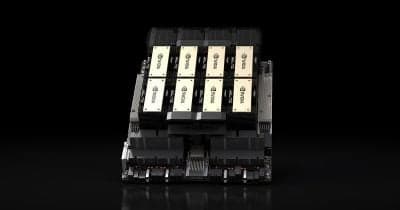
Here's what it means for you.
If you’re in the tech sector, this regulatory shift could influence the competitive landscape of AI technology.
Why it matters
This adjustment reflects China's strategic balancing act between fostering domestic semiconductor production and enhancing its AI capabilities.
What happened (in 30 seconds)
- China eased restrictions on Nvidia H200 AI chips, allowing small batches for ByteDance and Tencent.
- Each company received approximately 10,000 H200 processors recently, with potential for more approvals.
- This follows earlier U.S. export approvals and a temporary halt in Chinese orders aimed at promoting local chip development.
The context you actually need
- U.S.-China tensions over advanced semiconductors have led to export controls on high-performance AI chips, impacting global tech dynamics.
- In May 2026, the U.S. cleared sales of H200 chips to several Chinese firms, including ByteDance and Tencent, with significant purchase limits.
- China's earlier directive in January 2026 to pause H200 orders aimed to boost domestic chip manufacturing, highlighting the ongoing competition in AI technology.
What's really happening
The recent easing of import restrictions on Nvidia's H200 AI chips by China is a significant development in the ongoing global race for AI supremacy. This policy shift allows major Chinese tech firms, specifically ByteDance and Tencent, to import limited quantities of these advanced chips, which are crucial for enhancing their AI capabilities. Each company has reportedly received around 10,000 units, a move that underscores China's intent to bolster its tech giants while still promoting local semiconductor production.
This decision comes on the heels of U.S. export approvals granted in May 2026, which allowed several Chinese firms to purchase substantial quantities of H200 chips. The U.S. had previously imposed strict controls on the export of advanced semiconductor technology to China, citing national security concerns. However, the recent approvals indicate a potential thaw in relations, at least in the tech sector, as both countries navigate the complexities of AI development.
China's easing of restrictions also reflects a pragmatic approach to its semiconductor strategy. While the government aims to support domestic chip manufacturers, it recognizes the necessity of integrating advanced foreign technology to remain competitive in the global AI landscape. The conditions attached to these imports suggest that the Chinese government is keen on ensuring that most of the chips remain outside mainland China, thereby not undermining local production efforts.
This balancing act is critical as China seeks to enhance its AI competitiveness without fully compromising its domestic industry goals. The implications of this policy are far-reaching, potentially impacting not only the operations of ByteDance and Tencent but also the broader AI sector dynamics. Market observers have noted that this could lead to improved performance for Nvidia, as demand for its chips may rise in response to these approvals.
As the global AI competition intensifies, the interplay between U.S. and Chinese policies will continue to shape the landscape. The recent developments indicate a cautious optimism among tech firms, as they navigate the regulatory environment while striving to innovate and expand their capabilities.
Who feels it first (and how)
- Tech companies like ByteDance and Tencent will directly benefit from enhanced AI capabilities.
- Investors in Nvidia may see positive market reactions as demand for chips increases.
- Domestic semiconductor manufacturers in China may face pressure to innovate and compete with foreign technology.
- AI researchers and developers will have access to more advanced tools, potentially accelerating innovation.
What to watch next
- Further approvals for additional Chinese firms could indicate a broader trend in easing restrictions, impacting the competitive landscape.
- Market performance of Nvidia will be a key indicator of how this policy shift influences demand for advanced chips.
- Chinese domestic chip production developments will reveal how effectively the country can balance foreign technology access with local manufacturing goals.
ByteDance and Tencent have received approximately 10,000 H200 processors each.
Additional Chinese tech firms may receive similar import approvals in the near future.
The long-term impact on domestic semiconductor manufacturers and their ability to compete with foreign technology remains uncertain.
Frequently Asked Questions
- Why it matters?
- This adjustment reflects China's strategic balancing act between fostering domestic semiconductor production and enhancing its AI capabilities.
- What happened (in 30 seconds)?
- China eased restrictions on Nvidia H200 AI chips, allowing small batches for ByteDance and Tencent. Each company received approximately 10,000 H200 processors recently, with potential for more approvals. This follows earlier U.S. export approvals and a temporary halt in Chinese orders aimed at promoting local chip development.
- What's really happening?
- The recent easing of import restrictions on Nvidia's H200 AI chips by China is a significant development in the ongoing global race for AI supremacy. This policy shift allows major Chinese tech firms, specifically ByteDance and Tencent, to import limited quantities of these advanced chips, which are crucial for enhancing their AI capabilities. Each company has reportedly received around 10,000 units, a move that underscores China's intent to bolster its tech giants while still promoting local se
- Who feels it first (and how)?
- Tech companies like ByteDance and Tencent will directly benefit from enhanced AI capabilities. Investors in Nvidia may see positive market reactions as demand for chips increases. Domestic semiconductor manufacturers in China may face pressure to innovate and compete with foreign technology. AI researchers and developers will have access to more advanced tools, potentially accelerating innovation.
- What to watch next?
- Further approvals for additional Chinese firms could indicate a broader trend in easing restrictions, impacting the competitive landscape. Market performance of Nvidia will be a key indicator of how this policy shift influences demand for advanced chips. Chinese domestic chip production developments will reveal how effectively the country can balance foreign technology access with local manufacturing goals.
Curated tech headlines including AI stories.
"Influential aggregator surfacing the day’s top tech/AI links."
— A47 Editor
Sources: Beijing allowed ByteDance and Tencent to each receive about 10,000 Nvidia H200 chips at their mainland China facilities in recent weeks (Zijing Wu/Financial Times)
Recent reports indicate that Beijing has permitted ByteDance and Tencent to each receive approximately 10,000 Nvidia H200 chips at their facilities in mainland China. This decision is part of a broader strategy to support leading tech companies in th...
Market-moving headlines impacting equities, bonds, and related risk assets.
"Real-time catalysts and volatility drivers across indices and sectors."
— A47 Editor
Nvidia H200 chips reach China in small shipments, FT reports
Nvidia has begun shipping its H200 chips to China in small quantities, as reported by the Financial Times. This development comes amid China's easing of restrictions on these shipments, which are crucial for the country's tech companies competing in ...
Research, news, and analysis on blockchain startups, DeFi, and regulations.
"Crypto Briefing provides research, news, and analysis on blockchain startups, DeFi, and crypto regulations with investor-focused coverage."
— A47 Editor
China eases Nvidia H200 chip restrictions for ByteDance, Tencent: FT
China has eased restrictions on Nvidia's H200 chips for major tech firms ByteDance and Tencent, marking a significant shift in its strategic chip policy aimed at enhancing its artificial intelligence (AI) capabilities. This decision is expected to in...
Editor-curated FT homepage stories spanning markets, business, world, and opinion.
"The Financial Times is a globally respected business publication with a centrist/center-left tone and strong markets focus."
— A47 Editor
China eases limits on Nvidia H200 chips as AI race escalates
China has eased restrictions on the shipment of Nvidia's H200 chips, allowing small shipments to support its leading tech companies in their efforts to compete with U.S. rivals in the artificial intelligence sector. This decision reflects Beijing's s...