
NASA Confirms Lunar Crater from SpaceX Falcon 9 Upper Stage Impact
Here's what it means for you.
As space exploration intensifies, the implications of orbital debris management will increasingly affect satellite operations and global communications.
Why it matters
The uncontrolled impact of a SpaceX rocket on the Moon underscores the growing challenges of managing space debris amid expanding lunar exploration.
What happened (in 30 seconds)
- On August 5, 2026, a defunct SpaceX Falcon 9 upper stage impacted the Moon, creating a new crater approximately 60 feet wide.
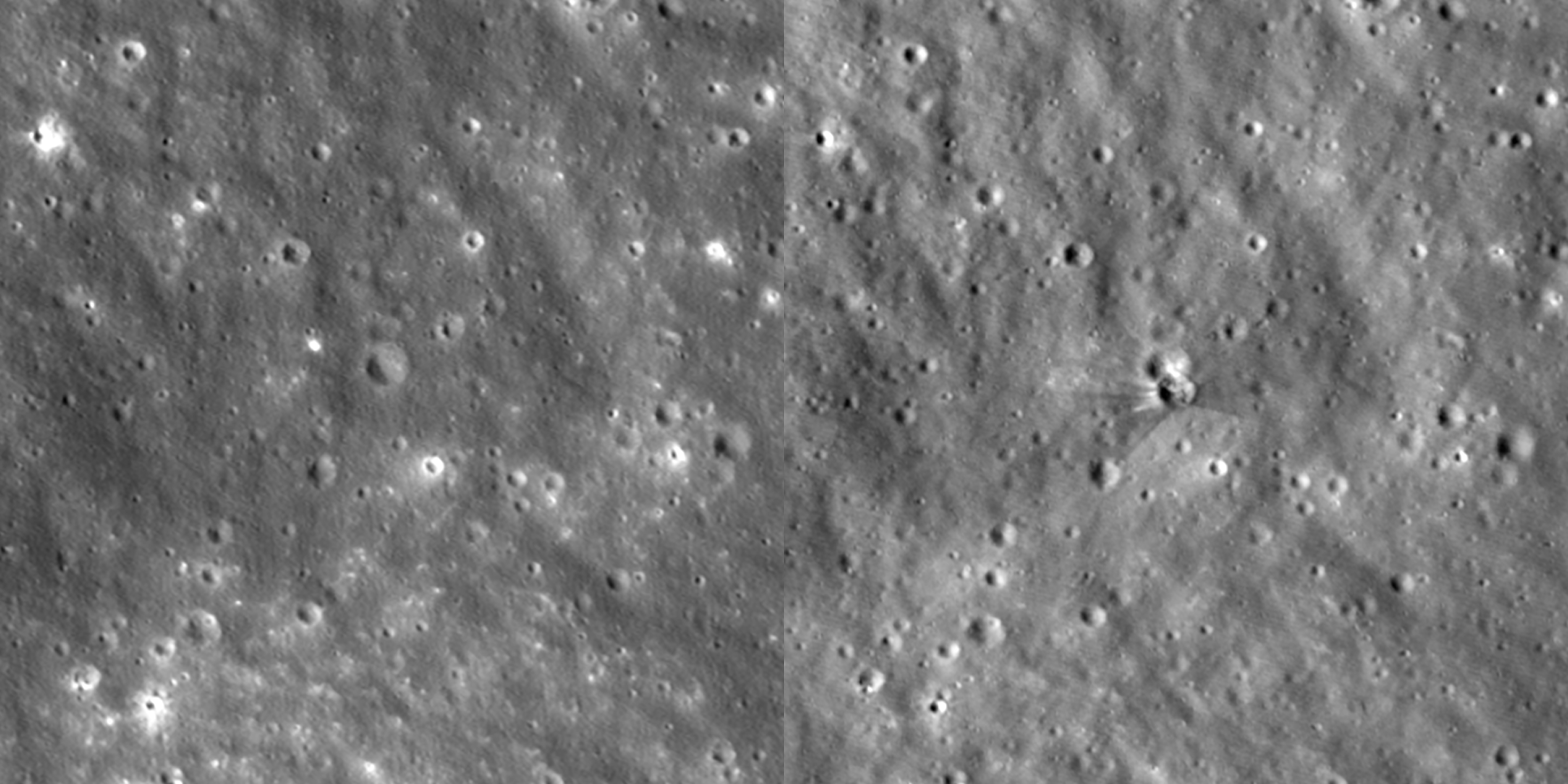
- NASA's Lunar Reconnaissance Orbiter captured images of the impact site shortly after, revealing details about the crater and ejecta patterns.
- This event marks only the second documented uncontrolled human-made impact on the lunar surface, following a similar incident in 2022.
The context you actually need
- The Falcon 9 upper stage launched two lunar landers in January 2025 and remained in an unstable orbit before the impact.
- Solar activity and gravitational forces altered its trajectory, leading to the uncontrolled impact, highlighting the risks of space debris.
- Increasing human activity in cislunar space is evident, with multiple nations expanding their lunar exploration programs, raising concerns about sustainability.
What's really happening
The August 5, 2026, impact of the SpaceX Falcon 9 upper stage on the Moon is a significant event in the context of space exploration and orbital debris management. The booster, which weighed approximately 10,800 pounds, had been adrift since its launch in January 2025, where it successfully deployed two lunar landers. Following its mission, the upper stage entered a long-term orbit around the Earth-Moon system. Over time, solar activity and gravitational perturbations from the Earth and Moon altered its trajectory, ultimately leading to its uncontrolled descent toward the lunar surface.
NASA's Lunar Reconnaissance Orbiter (LRO) was able to capture before-and-after images of the impact site on August 11-12, 2026, just days after the event. The resulting crater, approximately 60 feet in diameter and less than 10 feet deep, displayed bright and dark radial streaks from the excavated material. This imagery not only provides insights into the impact's physical characteristics but also serves as a reminder of the increasing human footprint on celestial bodies.
The incident follows a similar uncontrolled impact in 2022, when a suspected Chinese rocket stage struck the Moon's far side. These events highlight a growing trend of human-made objects colliding with the Moon, raising questions about the sustainability of space operations. As nations ramp up their lunar exploration efforts, the potential for more such incidents increases, necessitating a reevaluation of how we manage space debris.
SpaceX has acknowledged the incident and emphasized its commitment to tracking hardware and collaborating with NASA on disposal strategies. However, the impact has sparked renewed discussions about the long-term sustainability of cislunar operations and the need for effective orbital debris management. As more countries and private companies engage in lunar missions, the risk of uncontrolled impacts will likely rise, prompting calls for regulatory frameworks and best practices to mitigate these risks.
Who feels it first (and how)
- Space agencies: Increased scrutiny on mission planning and debris management protocols.
- Satellite operators: Potential disruptions in satellite operations due to increased debris in orbit.
- Space exploration companies: Heightened responsibility for tracking and managing hardware post-mission.
- Regulatory bodies: Pressure to establish guidelines for sustainable space operations.
What to watch next
- Regulatory developments: Watch for new policies or guidelines from space agencies regarding orbital debris management, as these will shape future missions.
- Technological advancements: Innovations in debris tracking and removal technologies could emerge in response to increasing concerns about space sustainability.
- International collaborations: Monitor partnerships between nations and private companies aimed at addressing the challenges of space debris and ensuring safe lunar operations.
The Falcon 9 upper stage impacted the Moon, creating a new crater.
Increased discussions and initiatives around orbital debris management will follow this incident.
The long-term regulatory changes that may arise from this event remain uncertain.
Frequently Asked Questions
- Why it matters?
- The uncontrolled impact of a SpaceX rocket on the Moon underscores the growing challenges of managing space debris amid expanding lunar exploration.
- What happened (in 30 seconds)?
- On August 5, 2026, a defunct SpaceX Falcon 9 upper stage impacted the Moon, creating a new crater approximately 60 feet wide. NASA's Lunar Reconnaissance Orbiter captured images of the impact site shortly after, revealing details about the crater and ejecta patterns. This event marks only the second documented uncontrolled human-made impact on the lunar surface, following a similar incident in 2022.
- What's really happening?
- The August 5, 2026, impact of the SpaceX Falcon 9 upper stage on the Moon is a significant event in the context of space exploration and orbital debris management. The booster, which weighed approximately 10,800 pounds, had been adrift since its launch in January 2025, where it successfully deployed two lunar landers. Following its mission, the upper stage entered a long-term orbit around the Earth-Moon system. Over time, solar activity and gravitational perturbations from the Earth and Moon alt
- Who feels it first (and how)?
- Space agencies: Increased scrutiny on mission planning and debris management protocols. Satellite operators: Potential disruptions in satellite operations due to increased debris in orbit. Space exploration companies: Heightened responsibility for tracking and managing hardware post-mission. Regulatory bodies: Pressure to establish guidelines for sustainable space operations.
- What to watch next?
- Regulatory developments: Watch for new policies or guidelines from space agencies regarding orbital debris management, as these will shape future missions. Technological advancements: Innovations in debris tracking and removal technologies could emerge in response to increasing concerns about space sustainability. International collaborations: Monitor partnerships between nations and private companies aimed at addressing the challenges of space debris and ensuring safe lunar operations.
UAE-based newspaper covering Gulf politics, society, and international developments.
"Gulf News is one of the UAE’s most prominent English-language publications."
— A47 Editor
Before-and-after NASA images show crater carved by a SpaceX rocket that slammed into the moon
A piece of a SpaceX Falcon 9 rocket, weighing approximately four tons, is believed to have crashed into the Moon on August 5, 2026, at a speed of 5,400 miles per hour, creating a new lunar crater. NASA has released before-and-after images showing the...
A curated Gulf News feed featuring major stories across news, business, opinion, and lifestyle.
"Gulf News is a major UAE newspaper whose featured stories feed reflects a broad editorial mix shaped for a Gulf audience."
— A47 Editor
Before-and-after NASA images show crater carved by a SpaceX rocket that slammed into the moon
A piece of a SpaceX Falcon 9 rocket, weighing approximately four tons, is believed to have crashed into the Moon on August 5, 2026, at a speed of 5,400 miles per hour, creating a new lunar crater. NASA has released before-and-after images showing the...
Tech industry news, innovation, gadgets, and startups from a UK broadcaster.
"Sky News is often seen as a center-right outlet in the UK, known for its rolling coverage and breaking stories."
— A47 Editor
Before and after pictures show moon crater after SpaceX crash
A SpaceX Falcon 9 rocket has crashed into the moon, resulting in the formation of a new crater, as confirmed by images captured by a NASA spacecraft. The incident occurred after the rocket, which had been drifting in space for over a year, collided w...
Business, investment, entrepreneurship, leadership, and innovation.
"Forbes is known for its coverage of business leaders, market trends, and entrepreneurial ventures with a pro-business editorial stance."
— A47 Editor
NASA Shares Before-And-After Photos Of Moon Crater Made By SpaceX Rocket
NASA has released before-and-after images of a new crater on the Moon, created by the impact of a SpaceX Falcon 9 rocket that ran out of fuel after a deep-space mission. The rocket collided with the lunar surface on August 5, 2026, contributing to th...
National headlines across the United States including breaking stories and societal issues.
"NBC News is a mainstream media outlet known for comprehensive national and international news coverage with a centrist to slightly left-leaning editorial tone."
— A47 Editor
NASA spots new crater on the moon created when a SpaceX rocket crashed
NASA has confirmed the creation of a new crater on the moon following the uncontrolled crash of a defunct Falcon 9 rocket from SpaceX, which occurred at an estimated speed of 5,400 mph. The incident highlights the ongoing issue of space debris, as th...