
Apple Revises EU App Distribution Fees to Comply with Digital Markets Act
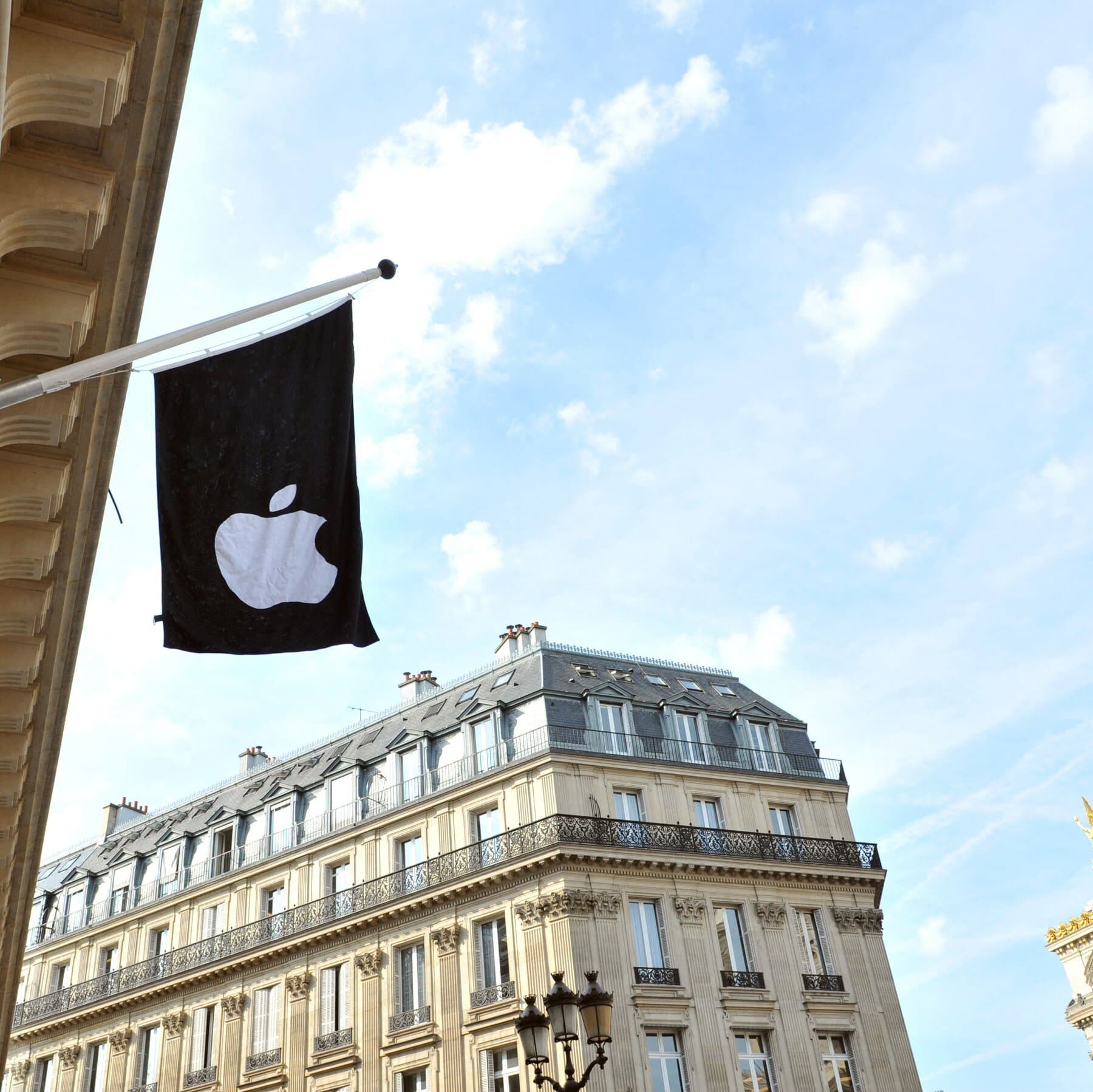
Why it matters
This shift simplifies the app distribution landscape in the EU, potentially increasing competition and innovation among developers.
What happened (in 30 seconds)
- Apple announced updates to its app distribution fees in the EU on August 18, 2026.
- The new model replaces per-install charges with a unified 5% commission for apps distributed outside the App Store.
- Changes take effect on October 1, 2026, following collaboration with the European Commission to comply with the Digital Markets Act.
The context you actually need
- Regulatory compliance: Apple has been adjusting its business practices in the EU since 2024 to align with the Digital Markets Act, which promotes fair competition.
- Previous fees: The Core Technology Fee of €0.50 per install beyond one million was criticized for discouraging alternative app usage.
- Expanded eligibility: The new terms allow more developers to utilize alternative marketplaces and web distribution, enhancing their reach.
What's really happening
On August 18, 2026, Apple unveiled significant changes to its app distribution fees for developers in the European Union, set to take effect on October 1, 2026. This update is a direct response to the European Commission's Digital Markets Act (DMA), which aims to foster competition and innovation in the digital marketplace. The most notable change is the replacement of the previous per-install fee structure with a unified commission model.
Under the new terms, developers will pay a 5% Core Technology Commission on digital transactions for apps distributed outside the App Store. This is a marked shift from the earlier model, which included multiple fees such as the Core Technology Fee, Initial Acquisition Fee, and Store Services Fee. The elimination of these fees simplifies the financial landscape for developers, making it easier to understand and predict costs associated with app distribution.
The move is designed to address criticisms from regulators who argued that the previous fee structure was overly complex and discouraged developers from exploring alternative distribution channels. By streamlining the fee model, Apple aims to encourage the use of alternative app marketplaces and web distribution, which are now permitted under the DMA. This regulatory framework not only allows for alternative payment systems but also mandates that developers maintain consistency in their payment methods for at least 12 months, ensuring stability for users.
Moreover, the updates include enhanced child safety protections and expanded eligibility for alternative marketplaces, which could lead to a more diverse app ecosystem in the EU. This is particularly significant as it opens doors for smaller developers who may have previously found the App Store's fees prohibitive.
As a result, the changes are expected to increase competition among app developers, potentially leading to lower prices and more innovative offerings for consumers. While these updates are specific to the EU, they may set a precedent for other regions, influencing how app distribution models evolve globally.
Who feels it first (and how)
- EU-based developers: They will experience immediate changes in fee structures and distribution options.
- Small and medium enterprises (SMEs): These groups may benefit most from reduced barriers to entry in app distribution.
- Consumers in the EU: They could see a wider variety of apps and potentially lower prices as competition increases.
What to watch next
- Adoption rates of alternative marketplaces: Monitoring how quickly developers shift to these platforms will indicate the effectiveness of the new model.
- Regulatory responses outside the EU: Other regions may follow suit with similar regulations, impacting global app distribution strategies.
- Consumer behavior changes: Observing how users respond to new app offerings and pricing structures will provide insights into market dynamics.
The new commission structure will take effect on October 1, 2026.
Increased competition among app developers in the EU will lead to more innovative applications.
The long-term impact on Apple's revenue from app distribution fees remains to be seen.
Frequently Asked Questions
- Why it matters?
- This shift simplifies the app distribution landscape in the EU, potentially increasing competition and innovation among developers.
- What happened (in 30 seconds)?
- Apple announced updates to its app distribution fees in the EU on August 18, 2026. The new model replaces per-install charges with a unified 5% commission for apps distributed outside the App Store. Changes take effect on October 1, 2026, following collaboration with the European Commission to comply with the Digital Markets Act.
- What's really happening?
- On August 18, 2026, Apple unveiled significant changes to its app distribution fees for developers in the European Union, set to take effect on October 1, 2026. This update is a direct response to the European Commission's Digital Markets Act (DMA), which aims to foster competition and innovation in the digital marketplace. The most notable change is the replacement of the previous per-install fee structure with a unified commission model. Under the new terms, developers will pay a 5% Core Tec
- Who feels it first (and how)?
- EU-based developers: They will experience immediate changes in fee structures and distribution options. Small and medium enterprises (SMEs): These groups may benefit most from reduced barriers to entry in app distribution. Consumers in the EU: They could see a wider variety of apps and potentially lower prices as competition increases.
- What to watch next?
- Adoption rates of alternative marketplaces: Monitoring how quickly developers shift to these platforms will indicate the effectiveness of the new model. Regulatory responses outside the EU: Other regions may follow suit with similar regulations, impacting global app distribution strategies. Consumer behavior changes: Observing how users respond to new app offerings and pricing structures will provide insights into market dynamics.
Research, news, and analysis on blockchain startups, DeFi, and regulations.
"Crypto Briefing provides research, news, and analysis on blockchain startups, DeFi, and crypto regulations with investor-focused coverage."
— A47 Editor
Apple changes fees for alternative app stores in EU
Apple has announced a change in fees for alternative app stores in the European Union, a move that could enhance competition in the app market and potentially decrease its revenue from developers utilizing these alternative platforms.
Tech policy, trends, and innovation news.
"The New York Times is a globally recognized newspaper offering authoritative reporting with a center-left editorial stance."
— A47 Editor
Apple Removes Some Fees for App Developers in European Union
Apple has announced the removal of several fees for app developers in the European Union, effective October. This decision follows extensive negotiations with regulators regarding the company's App Store practices. The changes aim to alleviate some f...
Tech industry coverage with AI angles.
"Mainstream tech news intersecting with AI policy and culture."
— A47 Editor
Apple Removes Some Fees for App Developers in European Union
Apple has announced the removal of several fees for app developers in the European Union, effective October 1, as part of a significant overhaul of its App Store policies. This decision follows extensive discussions with the European Commission aimed...
Startup news with frequent AI coverage.
"Covers launches, funding, and product updates in AI."
— A47 Editor
Apple overhauls its EU App Store fees, loosens rules for alternative app stores
Apple has announced a significant overhaul of its EU App Store fees, transitioning from a per-install fee to a 5% commission for apps distributed outside the App Store. This change is aimed at simplifying the fee structure and facilitating the operat...
Curated tech headlines including AI stories.
"Influential aggregator surfacing the day’s top tech/AI links."
— A47 Editor
The EU says it "welcomes Apple's changes"; Apple will reduce its fees in the EU, charging 26% for apps with IAP, 20% for alt payments, and 15% for link-outs (Bloomberg)
Apple Inc. has announced a significant reduction in its App Store fees for developers in the European Union, implementing new commission rates of 26% for apps with in-app purchases, 20% for alternative payment methods, and 15% for link-outs. This cha...
Technology business and AI-related headlines.
"Data-driven tech newsroom with global scope."
— A47 Editor
Apple Lowers App Store Fees in Europe to Settle Dispute With EU
Apple Inc. has announced significant changes to its App Store in Europe, including the elimination of per-install fees for developers not utilizing the iPhone marketplace, as part of a settlement to address competition concerns raised by the European...
Technology business news, market impacts, and innovation trends.
"Bloomberg is a premier financial and tech news provider, respected for its in-depth reporting and analytical rigor."
— A47 Editor
Apple Lowers App Store Fees in Europe to Settle Dispute With EU
Apple Inc. has announced significant changes to its App Store in Europe, including the elimination of per-install fees for developers not utilizing the iPhone marketplace, as part of a settlement to address competition concerns raised by the European...