
Dubai Central Laboratory Launches Automated Oil and Fat Quality Testing System
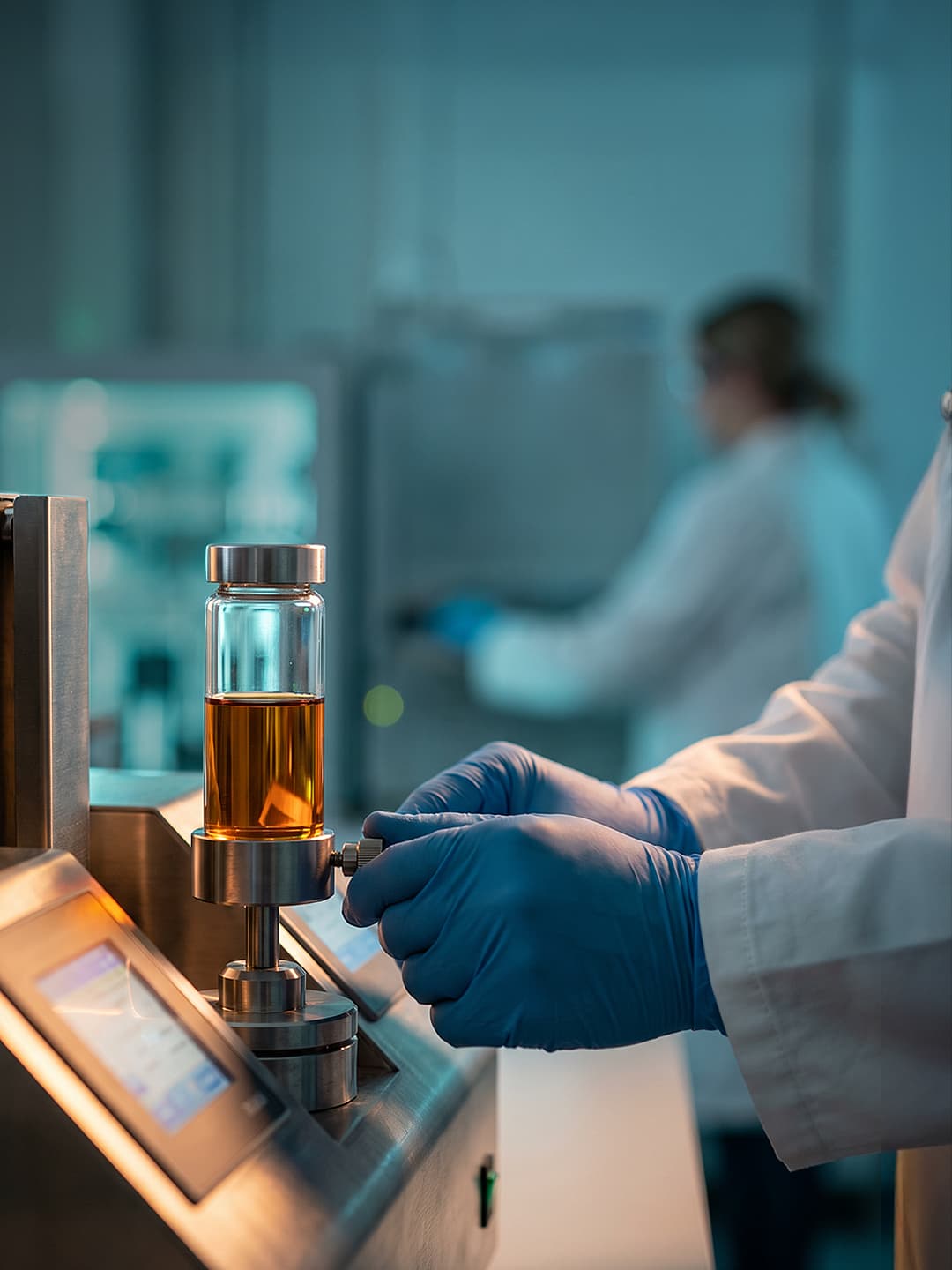
Here's what it means for you.
If you're in the food industry, this new technology could streamline your compliance processes and enhance product safety.
Why it matters
This advancement significantly boosts food safety monitoring and compliance with international standards in Dubai's food sector.
What happened (in 30 seconds)
- On August 24, 2026, Dubai introduced an automated system at its Central Laboratory for rapid oil and fat quality testing.
- Testing time reduced from two hours to two minutes, increasing daily capacity from six to 60 samples—an impressive 900% increase.
- The technology eliminates chemical consumables, supporting greener laboratory operations and enhancing food safety.
The context you actually need
- Dubai's food safety infrastructure has expanded in recent years, including the launch of a laboratory dedicated to detecting foodborne viruses.
- This initiative aligns with global trends emphasizing consumer protection and regulatory compliance in food manufacturing and storage.
- The automated system reflects a broader push for efficiency and sustainability in laboratory operations, crucial for maintaining consumer confidence.
What's really happening
On August 24, 2026, Dubai unveiled a groundbreaking automated testing technology at the Dubai Central Laboratory, designed to revolutionize the quality testing of oils and fats. This system allows for rapid analysis, generating results in just two minutes—an impressive reduction from the previous two-hour timeframe. The increase in testing capacity from six to 60 samples per day represents a staggering 900% boost, significantly enhancing the laboratory's ability to monitor food safety.
The technology operates without human intervention, which not only speeds up the testing process but also minimizes the risk of human error. By automatically detecting early signs of oxidation, the system provides critical insights into the quality of oils and fats, enabling quicker responses to potential quality issues. This is particularly important in a market where consumer trust hinges on the safety and quality of food products.
Moreover, the introduction of this automated system aligns with Dubai's broader strategy to enhance food safety monitoring and compliance with international standards. As the global food industry faces increasing scrutiny regarding safety and quality, Dubai's proactive measures position it as a leader in food safety innovation. The removal of chemical consumables from the testing process also underscores a commitment to greener laboratory operations, reducing environmental impact while maintaining high standards of safety.
Director Hind Mahmoud Ahmed of the Dubai Central Laboratory emphasized that this technology not only improves speed and efficiency but also supports the ongoing expansion of laboratory capabilities for food product oversight. This is crucial as Dubai continues to strengthen its regulatory framework in response to growing consumer demands for transparency and safety in food production.
The implications of this advancement extend beyond just the laboratory. By enhancing the speed and accuracy of testing, the automated system supports food manufacturers in meeting compliance requirements more efficiently. This could lead to reduced costs and faster time-to-market for food products, ultimately benefiting consumers through improved safety and quality assurance.
Who feels it first (and how)
- Food manufacturers: Streamlined compliance processes and faster quality assurance.
- Laboratory technicians: Shift towards more automated processes, reducing manual workload.
- Consumers: Increased confidence in food safety and quality standards.
- Regulatory bodies: Enhanced ability to monitor and enforce compliance with international standards.
What to watch next
- Adoption rates among food manufacturers: Monitoring how quickly the industry embraces this technology will indicate its impact on compliance and safety.
- Consumer feedback on food safety: Increased consumer confidence could lead to higher demand for products tested with this new technology.
- Expansion of automated testing: Watch for potential applications of this technology in other areas of food safety and quality testing.
The technology reduces testing time and increases capacity significantly.
Food manufacturers will adopt this technology to enhance compliance and efficiency.
The long-term impact on consumer behavior and market dynamics remains to be seen.
Frequently Asked Questions
- Why it matters?
- This advancement significantly boosts food safety monitoring and compliance with international standards in Dubai's food sector.
- What happened (in 30 seconds)?
- On August 24, 2026, Dubai introduced an automated system at its Central Laboratory for rapid oil and fat quality testing. Testing time reduced from two hours to two minutes, increasing daily capacity from six to 60 samples—an impressive 900% increase. The technology eliminates chemical consumables, supporting greener laboratory operations and enhancing food safety.
- What's really happening?
- On August 24, 2026, Dubai unveiled a groundbreaking automated testing technology at the Dubai Central Laboratory, designed to revolutionize the quality testing of oils and fats. This system allows for rapid analysis, generating results in just two minutes—an impressive reduction from the previous two-hour timeframe. The increase in testing capacity from six to 60 samples per day represents a staggering 900% boost, significantly enhancing the laboratory's ability to monitor food safety. The tech
- Who feels it first (and how)?
- Food manufacturers: Streamlined compliance processes and faster quality assurance. Laboratory technicians: Shift towards more automated processes, reducing manual workload. Consumers: Increased confidence in food safety and quality standards. Regulatory bodies: Enhanced ability to monitor and enforce compliance with international standards.
- What to watch next?
- Adoption rates among food manufacturers: Monitoring how quickly the industry embraces this technology will indicate its impact on compliance and safety. Consumer feedback on food safety: Increased consumer confidence could lead to higher demand for products tested with this new technology. Expansion of automated testing: Watch for potential applications of this technology in other areas of food safety and quality testing.
Arabic-language local coverage focused on UAE domestic issues, civic affairs, and community reporting.
"Emarat Al Youm local coverage emphasizes UAE institutions, public services, and community-level developments."
— A47 Editor
بلدية دبي تُطور تقنية متقدمة لفحص جودة الزيوت والدهون من دون تدخل بشري بلدية دبي تُطور تقنية متقدمة لفحص جودة الزيوت والدهون من دون تدخل بشري
Dubai Municipality's Central Laboratory has announced the implementation of an advanced technology for the automated testing of oil and fat quality, eliminating the need for human intervention. This innovation reduces testing time from two hours to j...
Business and economy coverage focused on Dubai, the UAE, Saudi Arabia, and the wider Middle East.
"Arabian Business is a well-known regional business outlet with strong focus on Gulf markets, leadership, and investment stories."
— A47 Editor
Dubai cuts food testing time from 2 hours to 2 minutes with new automated technology
Dubai has successfully reduced the food testing time for oil and fat quality from two hours to just two minutes through the implementation of new automated technology, significantly increasing the laboratory's daily capacity by 900 percent.
UAE-based newspaper covering Gulf politics, society, and international developments.
"Gulf News is one of the UAE’s most prominent English-language publications."
— A47 Editor
Dubai Municipality cuts oil and fat testing time from 2 hours to 2 minutes
Dubai Municipality has successfully reduced the testing time for oils and fats from two hours to just two minutes by implementing advanced automated technology at the Dubai Central Laboratory. This significant improvement enhances the efficiency of f...
A curated Gulf News feed featuring major stories across news, business, opinion, and lifestyle.
"Gulf News is a major UAE newspaper whose featured stories feed reflects a broad editorial mix shaped for a Gulf audience."
— A47 Editor
Dubai Municipality cuts oil and fat testing time from 2 hours to 2 minutes
Dubai Municipality has successfully reduced the testing time for oils and fats from two hours to just two minutes by implementing advanced automated technology at the Dubai Central Laboratory. This significant improvement enhances the efficiency of f...
English-language coverage focused on UAE news, government updates, and domestic affairs.
"Emirates 24|7 reflects a mainstream UAE editorial perspective with strong emphasis on official and domestic developments."
— A47 Editor
Dubai Municipality tests food oil and fat quality in just two minutes
Dubai Central Laboratory, part of Dubai Municipality, has introduced advanced automated technology that reduces the testing time for oils and fats from two hours to just two minutes, significantly enhancing laboratory capacity. This technology allows...
Breaking news and analysis from the UAE and Gulf region.
"Khaleej Times is a long-running UAE publication with broad regional coverage."
— A47 Editor
Dubai unveils automated technology to test oils, fats in 2 minutes instead of 2 hours
Dubai has introduced an innovative automated technology that significantly reduces the time required to test oils and fats from two hours to just two minutes. This advancement was reported by Khaleej Times and highlights the emirate's commitment to e...