
NYU Abu Dhabi Develops Biodegradable 3D-Printed Gastric Stent for Post-Surgery Complications
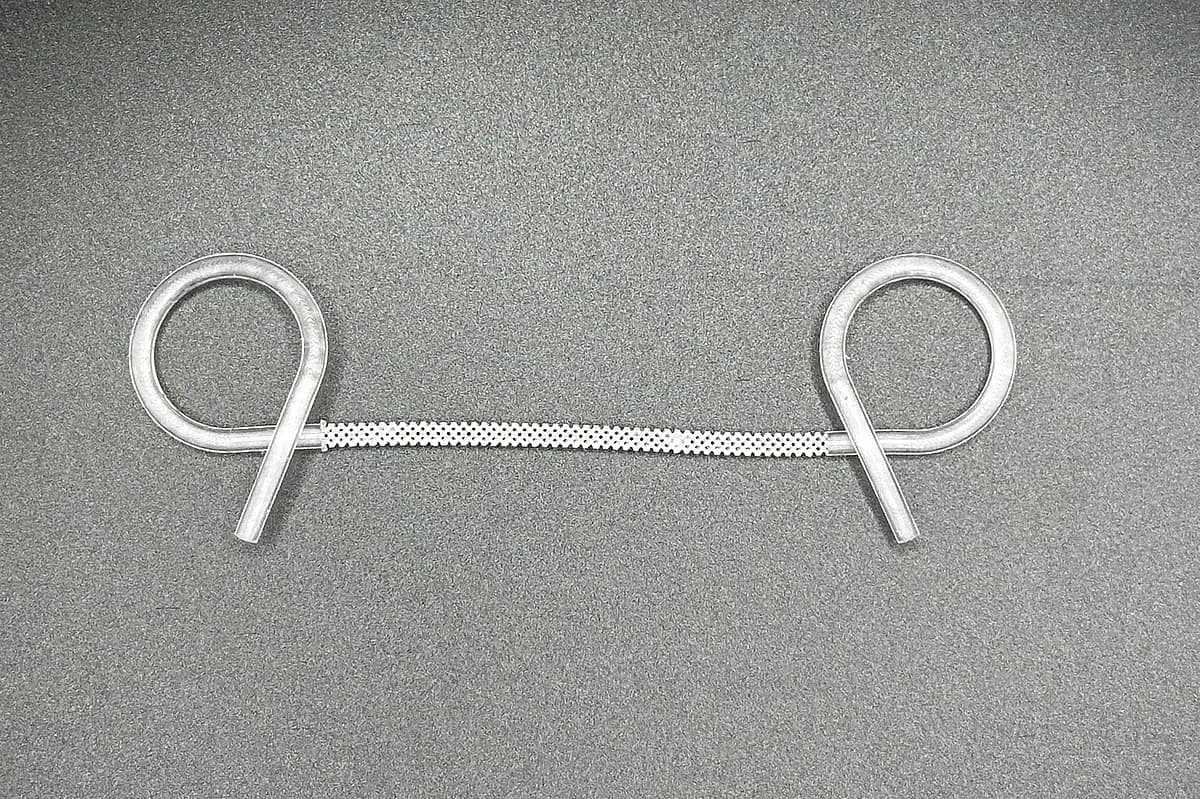
Here's what it means for you.
If you or someone you know is considering bariatric surgery, this innovation could significantly impact recovery and post-operative care.
Why it matters
Gastric leaks are a serious complication after weight-loss surgery, and advancements in medical technology can improve patient outcomes and reduce healthcare costs.
What happened (in 30 seconds)
- On August 26, 2026, NYU Abu Dhabi researchers unveiled the BRIDGE gastric stent, a biodegradable 3D-printed device designed to address gastric leaks post-bariatric surgery.
- The BRIDGE stent reportedly offers a two-fold increase in drainage performance compared to conventional stents, potentially eliminating the need for follow-up removal procedures.
- Further clinical studies are required before the stent can be used in patients, as it is currently in the pre-clinical testing phase.
The context you actually need
- Gastric leaks are a common complication after bariatric surgery, leading to prolonged recovery times and additional medical interventions.
- Conventional stents often adapted from bile duct designs have limitations, including slow drainage and the need for multiple procedures.
- The BRIDGE stent builds on previous research, including the non-biodegradable Lily stent, which improved drainage by 30% in lab models.
What's really happening
The development of the BRIDGE gastric stent represents a significant leap in the field of biomedical engineering, particularly in addressing complications arising from bariatric surgery. Gastric leaks can lead to severe health issues, including infections and extended hospital stays, making effective management crucial for patient recovery. The BRIDGE stent's design utilizes triply periodic minimal surface (TPMS) lattice architectures, which are optimized for fluid flow and structural integrity. This innovative approach allows for a two-fold increase in drainage performance compared to traditional stents, which often struggle with kinking and migration.
The use of biodegradable materials is another critical aspect of this development. Conventional stents require surgical removal after they have served their purpose, adding to the patient's burden and healthcare costs. By contrast, the BRIDGE stent is designed to degrade naturally within the body, potentially eliminating the need for follow-up procedures. This not only simplifies the patient experience but also aligns with broader trends in healthcare towards more sustainable and patient-friendly solutions.
The research team at NYU Abu Dhabi, led by Khalil Ramadi, has built on previous work, including the earlier Lily stent, which demonstrated improved drainage capabilities. The transition from a non-biodegradable to a biodegradable design reflects an understanding of the need for innovation in medical devices that prioritize patient outcomes and reduce the overall treatment burden.
As the UAE continues to invest in biomedical innovation, the BRIDGE stent could play a pivotal role in enhancing healthcare self-sufficiency in the region. The collaboration with institutions like Cleveland Clinic Abu Dhabi underscores the potential for local advancements to improve patient care and outcomes. However, the stent remains in the pre-clinical phase, and further clinical studies are necessary to validate its effectiveness and safety before it can be made available to patients.
Who feels it first (and how)
- Patients undergoing bariatric surgery: They may experience improved recovery times and fewer complications.
- Healthcare providers: Surgeons and medical staff could see reduced post-operative interventions and better patient outcomes.
- Medical device manufacturers: Companies may need to adapt to new standards and innovations in biodegradable materials and designs.
What to watch next
- Clinical trial results: The outcomes of further studies on the BRIDGE stent will determine its viability for patient use and could influence future designs.
- Regulatory approvals: Monitoring the approval process for the BRIDGE stent will provide insights into the speed of innovation in medical devices.
- Market adoption: The response from healthcare providers and institutions regarding the integration of biodegradable stents into practice will indicate the shift in treatment protocols.
The BRIDGE stent has completed laboratory and benchtop testing.
The stent will undergo further clinical studies before it can be used in patients.
The timeline for regulatory approvals and market availability remains uncertain.
Frequently Asked Questions
- Why it matters?
- Gastric leaks are a serious complication after weight-loss surgery, and advancements in medical technology can improve patient outcomes and reduce healthcare costs.
- What happened (in 30 seconds)?
- On August 26, 2026, NYU Abu Dhabi researchers unveiled the BRIDGE gastric stent, a biodegradable 3D-printed device designed to address gastric leaks post-bariatric surgery. The BRIDGE stent reportedly offers a two-fold increase in drainage performance compared to conventional stents, potentially eliminating the need for follow-up removal procedures. Further clinical studies are required before the stent can be used in patients, as it is currently in the pre-clinical testing phase.
- What's really happening?
- The development of the BRIDGE gastric stent represents a significant leap in the field of biomedical engineering, particularly in addressing complications arising from bariatric surgery. Gastric leaks can lead to severe health issues, including infections and extended hospital stays, making effective management crucial for patient recovery. The BRIDGE stent's design utilizes triply periodic minimal surface (TPMS) lattice architectures, which are optimized for fluid flow and structural integrity.
- Who feels it first (and how)?
- Patients undergoing bariatric surgery: They may experience improved recovery times and fewer complications. Healthcare providers: Surgeons and medical staff could see reduced post-operative interventions and better patient outcomes. Medical device manufacturers: Companies may need to adapt to new standards and innovations in biodegradable materials and designs.
- What to watch next?
- Clinical trial results: The outcomes of further studies on the BRIDGE stent will determine its viability for patient use and could influence future designs. Regulatory approvals: Monitoring the approval process for the BRIDGE stent will provide insights into the speed of innovation in medical devices. Market adoption: The response from healthcare providers and institutions regarding the integration of biodegradable stents into practice will indicate the shift in treatment protocols.
UAE-based English-language newspaper covering regional politics, economics, and global affairs.
"The National reflects Emirati policy perspectives while maintaining international editorial standards."
— A47 Editor
Gastric stent developed in UAE could offer relief to patients after weight-loss surgery
A new gastric stent developed in the UAE aims to provide relief to patients following weight-loss surgery, potentially improving their post-operative experience. This innovative medical device is designed to address complications that may arise after...
UAE-based newspaper covering Gulf politics, society, and international developments.
"Gulf News is one of the UAE’s most prominent English-language publications."
— A47 Editor
NYU Abu Dhabi researchers develop 3D-printed gastric stent technology
Researchers at NYU Abu Dhabi have developed an innovative 3D-printed gastric stent technology, marking a significant advancement in medical devices aimed at improving patient care. This new technology is expected to enhance the effectiveness of gastr...
A curated Gulf News feed featuring major stories across news, business, opinion, and lifestyle.
"Gulf News is a major UAE newspaper whose featured stories feed reflects a broad editorial mix shaped for a Gulf audience."
— A47 Editor
NYU Abu Dhabi researchers develop 3D-printed gastric stent technology
Researchers at NYU Abu Dhabi have developed an innovative 3D-printed gastric stent technology, marking a significant advancement in medical devices aimed at improving patient care. This new technology is expected to enhance the effectiveness of gastr...
Health, medicine, wellness, and public health coverage with a UAE angle.
"Emirates 24|7 health coverage leans toward accessible reporting on healthcare updates, medical milestones, and wellness topics."
— A47 Editor
NYU Abu Dhabi researchers develop 3D-printed gastric stent technology
Researchers at New York University Abu Dhabi have developed a new biodegradable, 3D-printed gastric stent named BRIDGE, designed to improve treatment for gastric leaks following weight-loss surgery. The innovative device combines an advanced internal...