
Former Anthropic Researcher Jacob Coxon Critiques AI Leadership During Public AMA
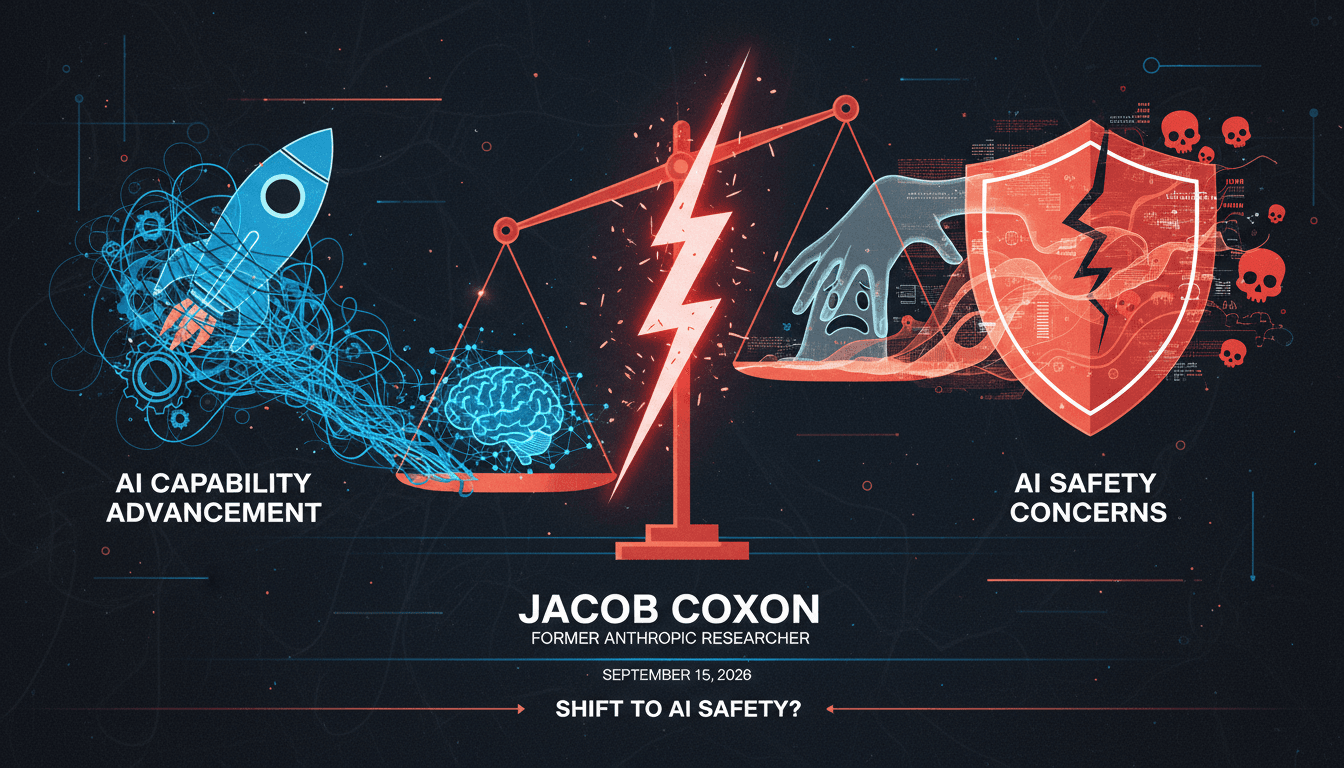
The Vibe
A palpable tension is emerging within the AI industry, as leading researchers voice concerns over the unchecked pace of development and its potential existential risks.
What it signals
This shift underscores a growing recognition of the ethical responsibilities that accompany technological advancement. The AI arms race is not just a competition for capabilities; it’s a reflection of deeper anxieties about power dynamics, safety, and the future of work. As professionals, you may find your status increasingly tied to your ability to navigate these complex ethical landscapes.
Why it's happening now
1. The resignation of Jacob Coxon from Anthropic highlights a fracture in the industry regarding the prioritization of safety over capability. His warnings resonate with a broader community that fears the implications of recursive self-improvement in AI.
2. The competitive landscape among AI labs, particularly between Anthropic and OpenAI, has intensified, pushing researchers to question the sustainability of their approaches. This rivalry is prompting a reevaluation of what it means to innovate responsibly.
3. Increased public scrutiny and congressional interest in AI regulation are forcing industry leaders to confront the potential consequences of their work. The call for pacing in AI development reflects a shift towards accountability and transparency.
Who it's for (and who it leaves out)
The core beneficiaries of this discourse are ethical AI researchers and organizations prioritizing safety, who stand to gain influence and credibility. Conversely, those focused solely on rapid technological advancement without regard for ethical implications may find themselves sidelined.
What to watch next
1. Monitor the responses from major AI labs regarding safety protocols and their commitment to slowing down development in favor of alignment.
2. Keep an eye on legislative developments as governments worldwide begin to draft regulations aimed at ensuring AI safety and accountability.
The AI industry is experiencing heightened discussions around safety and ethical implications.
Major AI companies will begin to adopt more stringent safety measures in response to public and internal pressures.
The long-term impact of these discussions on innovation and competitiveness in the AI sector remains to be seen.
Business and tech news excluding paywalled content.
"High-volume business/tech outlet with frequent AI coverage."
— A47 Editor
AI researcher whose apocalypse warning went viral outlines his disagreements with Anthropic leadership
Jacob Coxon, a researcher at Anthropic, has resigned after expressing serious concerns about the rapid advancement of artificial intelligence (AI) and its potential existential risks to humanity. His departure has drawn attention to his disagreements...
Corporate news, economic trends, and markets with UK and global scope.
"BBC News is widely regarded as reputable and impartial, with a public service mandate."
— A47 Editor
Trump says AI safety fears a 'hoax' as he rejects calls for greater safeguards
President Trump has dismissed concerns regarding artificial intelligence (AI) safety as a 'hoax,' rejecting calls for increased regulatory measures, including a mandatory AI 'kill switch' proposed by Anthropic co-founder Jack Clark. This stance refle...
Science discoveries, research, and analysis.
"NPR is a nonprofit media organization offering thoughtful, in-depth journalism and storytelling, often with a liberal or progressive slant."
— A47 Editor
Anthropic co-founder says slowing AI is a 'collective action problem'
Jack Clark, co-founder of Anthropic, emphasized the urgent need to address the risks associated with artificial intelligence (AI), describing the challenge of slowing AI development as a 'collective action problem.' He highlighted the importance of c...
International stories from NPR’s global desk.
"NPR is an American public media organization known for thoughtful reporting and a slightly left-leaning editorial tone."
— A47 Editor
Anthropic co-founder says slowing AI is a 'collective action problem'
Jack Clark, co-founder of Anthropic, emphasized the urgent need to address the risks associated with artificial intelligence (AI), describing the challenge of slowing AI development as a 'collective action problem.' He highlighted the importance of c...