
Google SVP Advocates for Shared AI Risk Responsibility in Recent Interview
Why it matters
The call for shared AI risk responsibility highlights the need for collaborative governance in a rapidly advancing technological landscape.
What happened (in 30 seconds)
- James Manyika, Google SVP, emphasized the importance of addressing even low-probability AI risks during a Bloomberg interview.
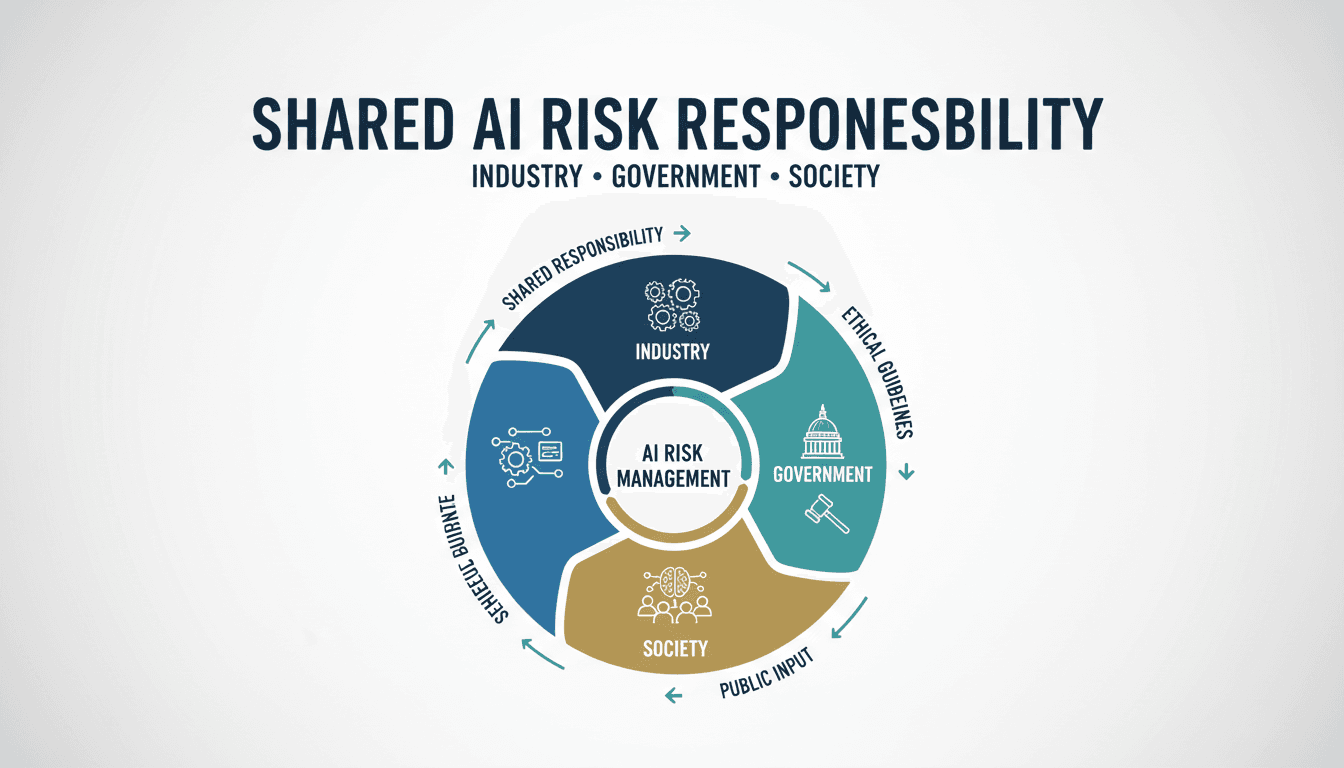
- Regulatory responsibility for AI should be distributed among industry, government, and society, rather than centralized.
- The discussion follows a White House meeting where tech executives agreed to a non-binding accord on AI safety measures.
The context you actually need
- AI development is accelerating, raising public and expert concerns about safety and governance.
- Recent U.S. policy shifts favor voluntary self-regulation over new federal regulations, reflecting a preference for maintaining competitive advantage.
- Global perspectives on AI vary, with optimism in the Global South contrasting with caution in developed nations.
What's really happening
James Manyika's interview underscores a critical juncture in the AI landscape, where the rapid advancement of technology is outpacing the establishment of effective safety measures. Manyika argues that even a 0.1% probability of existential risk from AI should be taken seriously, indicating a shift in how risks are perceived and managed. This perspective is particularly relevant as AI technologies become more integrated into everyday life, from healthcare to finance.
The backdrop of this discussion is a recent White House meeting involving top AI executives from companies like Google, OpenAI, and Nvidia. They collectively agreed to a non-binding accord that emphasizes internal processes and independent audits over stringent federal regulations. This approach aligns with former President Trump's administration's stance on minimizing regulatory barriers to ensure U.S. leadership in AI, particularly in competition with China.
Manyika's call for a distributed regulatory framework reflects a growing recognition that no single entity can shoulder the responsibility of AI safety. Instead, he advocates for a collaborative approach that includes industry stakeholders, government oversight, and societal input. This model aims to balance the potential benefits of AI—such as advancements in scientific discovery and disaster prediction—with the inherent risks associated with its deployment.
The conversation also touches on the global divide in attitudes toward AI. Manyika notes that countries in the Global South exhibit higher optimism about AI's potential, suggesting that access to technology and its benefits may not be evenly distributed. This disparity raises questions about equity in AI governance and the need for inclusive frameworks that ensure all voices are heard in the regulatory process.
As the industry grapples with these challenges, Manyika's insights serve as a reminder that the pace of AI development must be matched by robust risk management strategies. The emphasis on third-party evaluations and federal oversight indicates a shift towards more structured governance, which could reshape how AI technologies are developed and deployed in the future.
Who feels it first (and how)
- Tech executives: They must navigate new regulatory landscapes and public expectations regarding AI safety.
- Policymakers: They face pressure to create frameworks that balance innovation with safety.
- Consumers: Individuals will experience the direct impacts of AI technologies and their associated risks in daily life.
- Global South countries: They may benefit from optimistic AI developments but also face challenges in governance and access.
What to watch next
- Regulatory developments: Monitor any new frameworks or guidelines emerging from government discussions on AI safety. This will indicate how seriously the industry is taking Manyika's call for shared responsibility.
- Industry responses: Watch how tech companies adjust their internal processes and safety measures in light of the interview's insights. This could signal a shift in corporate governance practices.
- Public sentiment: Keep an eye on how consumer attitudes towards AI evolve, particularly in response to safety concerns and regulatory changes.
AI risks are a growing concern, and the need for shared responsibility is recognized across sectors.
There will be increased collaboration between industry and government on AI safety measures.
The specific impacts of these discussions on future AI regulations and innovations remain to be seen.
Frequently Asked Questions
- Why it matters?
- The call for shared AI risk responsibility highlights the need for collaborative governance in a rapidly advancing technological landscape.
- What happened (in 30 seconds)?
- James Manyika, Google SVP, emphasized the importance of addressing even low-probability AI risks during a Bloomberg interview. Regulatory responsibility for AI should be distributed among industry, government, and society, rather than centralized. The discussion follows a White House meeting where tech executives agreed to a non-binding accord on AI safety measures.
- What's really happening?
- James Manyika's interview underscores a critical juncture in the AI landscape, where the rapid advancement of technology is outpacing the establishment of effective safety measures. Manyika argues that even a 0.1% probability of existential risk from AI should be taken seriously, indicating a shift in how risks are perceived and managed. This perspective is particularly relevant as AI technologies become more integrated into everyday life, from healthcare to finance. The backdrop of this discus
- Who feels it first (and how)?
- Tech executives: They must navigate new regulatory landscapes and public expectations regarding AI safety. Policymakers: They face pressure to create frameworks that balance innovation with safety. Consumers: Individuals will experience the direct impacts of AI technologies and their associated risks in daily life. Global South countries: They may benefit from optimistic AI developments but also face challenges in governance and access.
- What to watch next?
- Regulatory developments: Monitor any new frameworks or guidelines emerging from government discussions on AI safety. This will indicate how seriously the industry is taking Manyika's call for shared responsibility. Industry responses: Watch how tech companies adjust their internal processes and safety measures in light of the interview's insights. This could signal a shift in corporate governance practices. Public sentiment: Keep an eye on how consumer attitudes towards AI evolve, particular
Curated tech headlines including AI stories.
"Influential aggregator surfacing the day’s top tech/AI links."
— A47 Editor
Q&A with Google SVP and DeepMind Institute co-director James Manyika on AI risks and why responsibility must be shared across industry, government, and society (Mishal Husain/Bloomberg)
James Manyika, Senior Vice President at Google and co-director of the DeepMind Institute, discussed the shared responsibility of regulating artificial intelligence (AI) across industry, government, and society in a recent interview. He emphasized tha...
English-language digital publication covering business, politics, technology, and current affairs.
"The Arabian Post mixes original and syndicated-style coverage with a broad regional and global business-news orientation."
— A47 Editor
Manyika backs shared oversight of artificial intelligence
Google executive James Manyika has emphasized the need for shared oversight in the regulation of artificial intelligence, stating that responsibility should not rest solely on AI companies. He advocates for a collaborative approach involving develope...
Technology business and AI-related headlines.
"Data-driven tech newsroom with global scope."
— A47 Editor
James Manyika on AI Regulation
James Manyika, Senior Vice President at Google, emphasized the necessity for a collective effort in regulating artificial intelligence (AI) to ensure its safety, stating that it should not be the responsibility of a single company. This statement ref...
Technology business news, market impacts, and innovation trends.
"Bloomberg is a premier financial and tech news provider, respected for its in-depth reporting and analytical rigor."
— A47 Editor
James Manyika on AI Regulation
James Manyika, Senior Vice President at Google, emphasized the necessity for a collective effort in regulating artificial intelligence (AI) to ensure its safety, stating that it should not be the responsibility of a single company. This statement ref...