
Dubai Chambers Hosts Workshop on AI in Legal Services
Why it matters
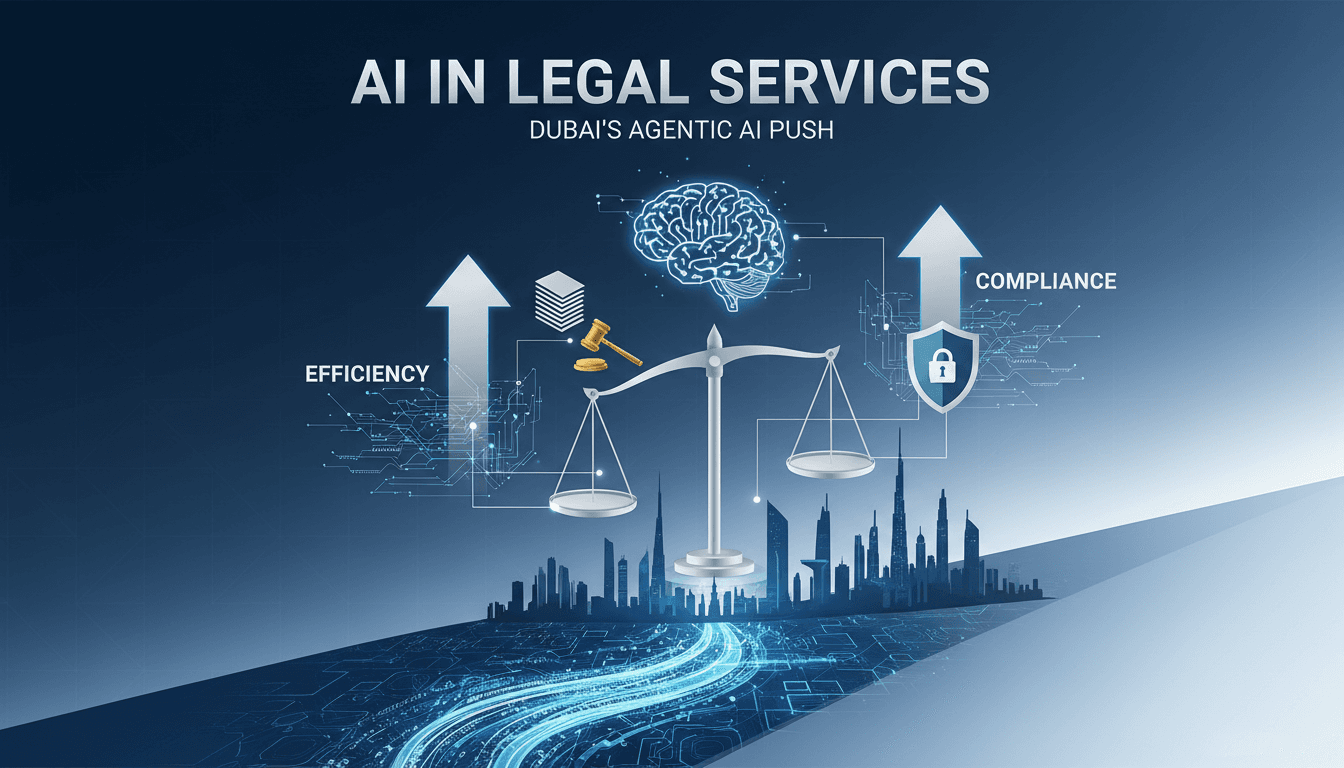
The integration of AI in legal services is reshaping operational efficiencies and compliance standards in Dubai's rapidly digitizing economy.
What happened (in 30 seconds)
- Dubai Chambers hosted a workshop on AI applications in legal services, focusing on practical implementations.
- Key participants included the Qistas AI platform, Pinsent Masons law firm, and experts from e& UAE and Siemens Energy.
- The workshop aimed to enhance awareness of AI-driven efficiencies in legal support, aligning with Dubai's digital transformation strategy.
The context you actually need
- Dubai is pushing for Agentic AI adoption in the private sector, led by H.H. Sheikh Hamdan bin Mohammed bin Rashid Al Maktoum.
- Over 14,000 companies are receiving training on AI applications, aligning with national strategies and regulatory frameworks.
- The workshop is part of a broader effort to integrate AI into business operations, enhancing legal service access and compliance.
What's really happening
The recent workshop organized by Dubai Chambers is a significant step in the ongoing integration of artificial intelligence into the legal sector. This initiative is not just about adopting new technologies; it reflects a strategic alignment with Dubai's broader digital transformation goals. The workshop showcased various AI applications, including contract management, legal research automation, compliance monitoring, and dispute resolution support.
The collaboration with the Qistas AI platform and Pinsent Masons law firm indicates a concerted effort to leverage existing legal expertise while incorporating cutting-edge technology. By focusing on practical implementations, the workshop aimed to demystify AI for legal professionals and business leaders, emphasizing how these tools can enhance efficiency and decision-making quality.
As Dubai continues to position itself as a global business hub, the integration of AI into legal services is crucial for maintaining competitiveness. The workshop highlighted the potential for AI to reduce legal service access times and improve compliance accuracy, which is particularly relevant in a jurisdiction that prioritizes digital governance.
Moreover, the discussions around the evolution of in-house legal teams suggest a shift in roles and responsibilities. Legal professionals may need to adapt to new workflows that incorporate AI tools, which could lead to a reevaluation of how legal services are sourced—whether in-house or through external providers. This shift could also influence the cost structures of legal services, potentially lowering operational costs for businesses.
The emphasis on frameworks for evaluating AI solutions indicates a growing recognition of the need for strategic decision-making in technology adoption. As businesses navigate this landscape, understanding the trade-offs between in-house capabilities and market-sourced solutions will be essential for optimizing legal operations.
In summary, the workshop is a reflection of Dubai's commitment to harnessing AI for enhanced legal services, aligning with national strategies while addressing the practical needs of businesses. The implications of this integration will resonate across various sectors, influencing how legal services are delivered and accessed in the future.
Who feels it first (and how)
- Legal professionals: They will need to adapt to new AI tools and workflows.
- Businesses in Dubai: Companies will benefit from reduced legal service costs and improved compliance.
- Tech providers: Firms offering AI solutions will see increased demand as businesses seek to integrate these technologies.
What to watch next
- Increased training programs: Monitor the expansion of training initiatives for legal professionals on AI applications, as this will indicate the pace of adoption.
- Regulatory developments: Keep an eye on any new regulations or frameworks introduced by Dubai authorities regarding AI use in legal contexts, which could shape operational standards.
- Market shifts: Watch for changes in how legal services are sourced, particularly the balance between in-house capabilities and external providers, as businesses adapt to AI integration.
The workshop successfully raised awareness of AI applications in legal services.
Businesses will increasingly adopt AI tools to enhance operational efficiencies and reduce costs.
The long-term impact on employment within legal teams as roles evolve with AI integration.
Frequently Asked Questions
- Why it matters?
- The integration of AI in legal services is reshaping operational efficiencies and compliance standards in Dubai's rapidly digitizing economy.
- What happened (in 30 seconds)?
- Dubai Chambers hosted a workshop on AI applications in legal services, focusing on practical implementations. Key participants included the Qistas AI platform, Pinsent Masons law firm, and experts from e& UAE and Siemens Energy. The workshop aimed to enhance awareness of AI-driven efficiencies in legal support, aligning with Dubai's digital transformation strategy.
- What's really happening?
- The recent workshop organized by Dubai Chambers is a significant step in the ongoing integration of artificial intelligence into the legal sector. This initiative is not just about adopting new technologies; it reflects a strategic alignment with Dubai's broader digital transformation goals. The workshop showcased various AI applications, including contract management, legal research automation, compliance monitoring, and dispute resolution support. The collaboration with the Qistas AI platfor
- Who feels it first (and how)?
- Legal professionals: They will need to adapt to new AI tools and workflows. Businesses in Dubai: Companies will benefit from reduced legal service costs and improved compliance. Tech providers: Firms offering AI solutions will see increased demand as businesses seek to integrate these technologies.
- What to watch next?
- Increased training programs: Monitor the expansion of training initiatives for legal professionals on AI applications, as this will indicate the pace of adoption. Regulatory developments: Keep an eye on any new regulations or frameworks introduced by Dubai authorities regarding AI use in legal contexts, which could shape operational standards. Market shifts: Watch for changes in how legal services are sourced, particularly the balance between in-house capabilities and external providers, as busi
Arabic-language economic and business reporting with strong UAE market relevance.
"Emarat Al Youm business coverage often centers UAE property, banking, consumer issues, and economic policy."
— A47 Editor
غرف دبي تتناول الذكاء الاصطناعي في الخدمات القانونية غرف دبي تتناول الذكاء الاصطناعي في الخدمات القانونية
Dubai Chambers organized a specialized workshop that showcased the practical applications of artificial intelligence in the legal field. A statement released yesterday highlighted the significance of these advancements in enhancing legal services.
Arabic-language reporting focused on domestic developments in Saudi Arabia.
"Okaz is a mainstream Saudi newspaper that often reflects domestic priorities and official-facing coverage."
— A47 Editor
«المظالم» يناقش فرص الذكاء الاصطناعي وضوابطه القانونية
The Board of Grievances organized a workshop titled 'Artificial Intelligence and Legal Work: Opportunities and Regulations' in collaboration with Case Western Reserve University, coinciding with World Law Day. The event featured discussions led by Pr...
Arabic-language reporting focused on domestic developments in Saudi Arabia.
"Okaz is a mainstream Saudi newspaper that often reflects domestic priorities and official-facing coverage."
— A47 Editor
في اليوم العالمي للقانون.. ديوان المظالم يناقش فرص الذكاء الاصطناعي وضوابطه القانونية
The Board of Grievances organized a workshop titled 'Artificial Intelligence and Legal Work: Opportunities and Regulations' in conjunction with the International Day of Law, featuring discussions led by Professor Matthew Salerno on AI in legal work a...