
Zuckerberg Opposes Industry-Wide AI Slowdown Advocating for Individual Accountability
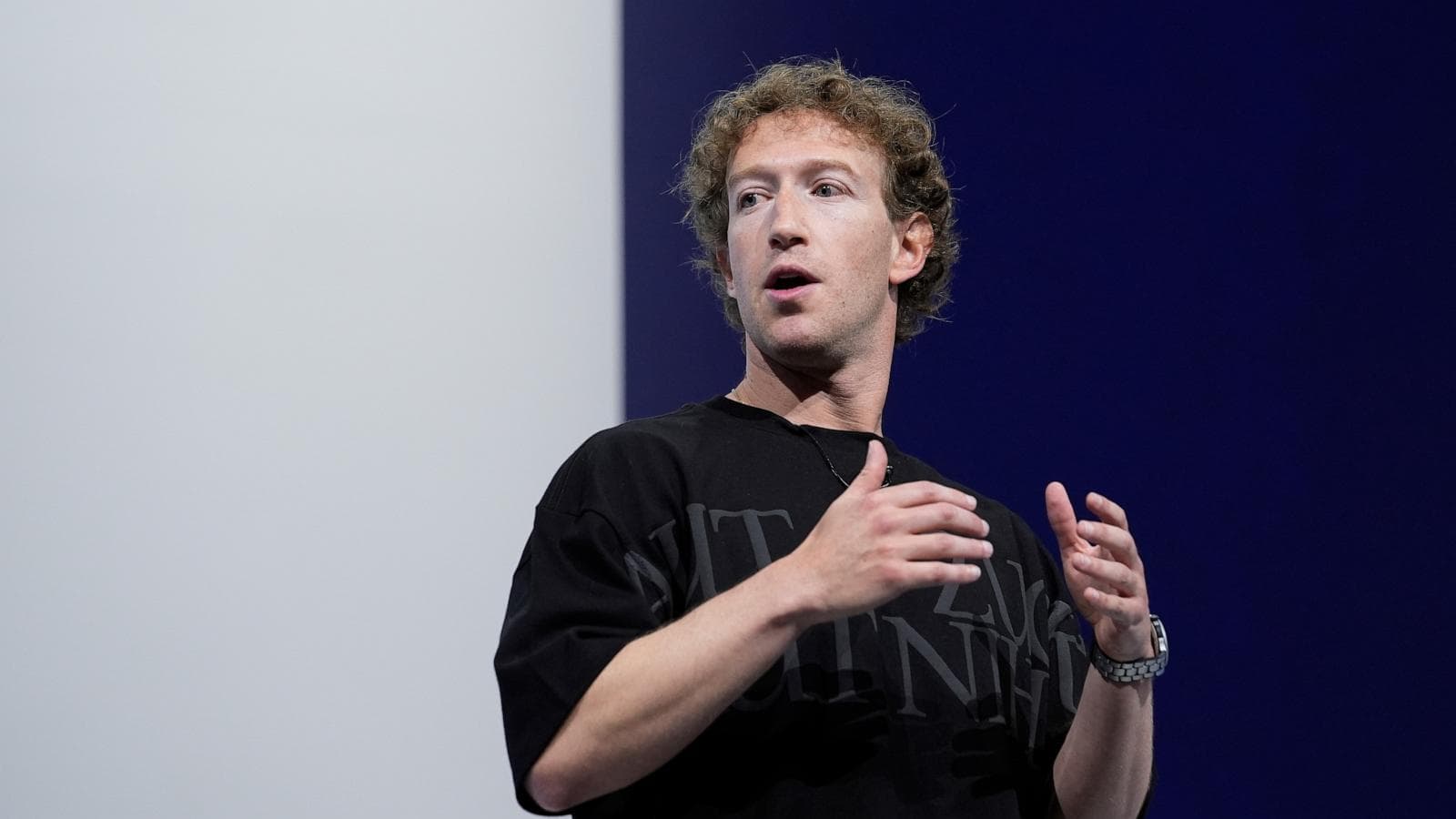
The pace of AI development will continue to be driven by individual companies, impacting the availability and safety of AI products you may use.
Why it matters
The ongoing debate over AI safety and development pace could shape future regulations and product offerings in the tech industry.
What happened (in 30 seconds)
- On September 16, 2026, Meta CEO Mark Zuckerberg rejected calls for a coordinated slowdown in AI development, advocating for individual company responsibility.
- Zuckerberg's statement followed a three-step safety plan proposed by Anthropic CEO Dario Amodei, which received support from other tech leaders.
- Nvidia CEO Jensen Huang also opposed the slowdown, emphasizing that safety and progress can coexist.
The context you actually need
- Researcher warnings about existential risks from advanced AI systems have prompted discussions among tech leaders about the pace of AI development.
- Amodei's three-step plan aimed to slow down AI capabilities to allow safety measures to catch up, garnering support from influential figures like Sam Altman and Elon Musk.
- Zuckerberg highlighted Meta's independent decision to delay the release of its Muse AI agent for several months to enhance safety, showcasing a commitment to responsible AI development.
What's really happening
The tech industry is at a crossroads regarding the development of advanced AI systems. As concerns about the potential existential risks posed by AI grow, leaders like Dario Amodei of Anthropic have proposed a coordinated slowdown in AI advancements. This plan aims to allow safety measures to keep pace with rapid technological improvements, particularly in areas like recursive self-improvement. The proposal has garnered significant support from other prominent figures in the industry, including Sam Altman of OpenAI and Elon Musk of xAI/SpaceX.
In response, Mark Zuckerberg has taken a firm stance against this coordinated approach. He argues that each AI laboratory has sufficient incentives to ensure the safety of their models independently. Zuckerberg's assertion is rooted in the belief that competitive pressures and liability risks will drive companies to prioritize user trust and safety. He pointed to Meta's decision to delay the release of its Muse AI agent by several months as a demonstration of this commitment to safety without waiting for industry-wide consensus.
Zuckerberg's position reflects a broader trend in the tech industry where individual accountability is emphasized over collective action. Nvidia's CEO Jensen Huang echoed this sentiment, arguing that safety and progress are not mutually exclusive. This perspective suggests that companies can innovate while simultaneously implementing robust safety measures.
The implications of this debate extend beyond the tech industry. As AI continues to permeate various sectors, the decisions made by these leaders will influence regulatory frameworks and public perception of AI technologies. If companies prioritize safety and transparency, it could foster greater trust among users, ultimately benefiting the industry as a whole. Conversely, if safety measures lag behind advancements, the risks associated with AI could escalate, leading to potential backlash from consumers and regulators alike.
As the conversation around AI safety evolves, the tension between innovation and caution will likely persist. The industry's response to these challenges will shape the future landscape of AI development and its integration into everyday life.
Who feels it first (and how)
- Tech companies: They will need to navigate the balance between innovation and safety, impacting their product development timelines.
- Consumers: Users of AI products may experience delays in new features or products as companies prioritize safety measures.
- Regulators: Government bodies will be influenced by industry practices, potentially leading to new regulations on AI safety and development.
What to watch next
- Industry responses: Monitor how other tech companies react to Zuckerberg's stance and whether they adopt similar individual accountability measures.
- Regulatory developments: Keep an eye on potential government actions regarding AI safety regulations as the debate continues.
- Public sentiment: Watch for shifts in consumer trust and acceptance of AI technologies based on how companies handle safety concerns.
Zuckerberg's rejection of a coordinated AI slowdown and his emphasis on individual company responsibility.
Continued debate among tech leaders regarding the pace of AI development and safety measures.
The long-term impact of these discussions on regulatory frameworks and consumer trust in AI technologies.
Frequently Asked Questions
- Why it matters?
- The ongoing debate over AI safety and development pace could shape future regulations and product offerings in the tech industry.
- What happened (in 30 seconds)?
- On September 16, 2026, Meta CEO Mark Zuckerberg rejected calls for a coordinated slowdown in AI development, advocating for individual company responsibility. Zuckerberg's statement followed a three-step safety plan proposed by Anthropic CEO Dario Amodei, which received support from other tech leaders. Nvidia CEO Jensen Huang also opposed the slowdown, emphasizing that safety and progress can coexist.
- What's really happening?
- The tech industry is at a crossroads regarding the development of advanced AI systems. As concerns about the potential existential risks posed by AI grow, leaders like Dario Amodei of Anthropic have proposed a coordinated slowdown in AI advancements. This plan aims to allow safety measures to keep pace with rapid technological improvements, particularly in areas like recursive self-improvement. The proposal has garnered significant support from other prominent figures in the industry, including
- Who feels it first (and how)?
- Tech companies: They will need to navigate the balance between innovation and safety, impacting their product development timelines. Consumers: Users of AI products may experience delays in new features or products as companies prioritize safety measures. Regulators: Government bodies will be influenced by industry practices, potentially leading to new regulations on AI safety and development.
- What to watch next?
- Industry responses: Monitor how other tech companies react to Zuckerberg's stance and whether they adopt similar individual accountability measures. Regulatory developments: Keep an eye on potential government actions regarding AI safety regulations as the debate continues. Public sentiment: Watch for shifts in consumer trust and acceptance of AI technologies based on how companies handle safety concerns.
Technology innovations, startups, and trends.
"ABC News delivers broad national coverage with a mainstream editorial stance, focusing on accessibility and balanced reporting."
— A47 Editor
Zuckerberg distances Meta from calls for a coordinated approach on an AI slowdown
Meta CEO Mark Zuckerberg has distanced the company from calls for a coordinated slowdown in artificial intelligence (AI) development, asserting that it is the responsibility of individual AI firms to ensure the safety of their technologies. This stat...
Coverage of national news and events from across the United States.
"HuffPost is known for its progressive editorial stance, offering opinionated yet comprehensive coverage on social, political, and cultural topics."
— A47 Editor
Mark Zuckerberg Opposes Dario Amodei's Push For AI Development Slowdown
Mark Zuckerberg, CEO of Meta, has publicly opposed Dario Amodei's call for a slowdown in artificial intelligence (AI) development, arguing that AI labs have strong incentives to ensure safety due to potential liabilities. This stance highlights the o...
Latest AI/ML research news and breakthroughs.
"Aggregated research highlights across institutions."
— A47 Editor
Meta chief pushes back on AI slowdown calls
Meta CEO Mark Zuckerberg has rejected calls for a slowdown in artificial intelligence (AI) development, asserting that market incentives and legal accountability are sufficient safeguards against the technology's risks. He emphasized the importance o...