
Google to Launch Experimental AI Satellite for Space-Based Data Center Initiative
Why it matters
This initiative could significantly alleviate energy constraints faced by terrestrial AI data centers.
What happened (in 30 seconds)
- On October 1, 2026, Google plans to launch an experimental satellite named MVP into low Earth orbit.
- The satellite features four Tensor Processing Units (TPUs) designed to handle AI inference queries using solar power.
- Project Suncatcher aims to explore space-based AI infrastructure, potentially generating up to eight times more solar energy than ground systems.
The context you actually need
- Project Suncatcher was announced in November 2025 as a long-term research initiative to explore AI infrastructure in space.
- The MVP satellite will operate for about one year, performing limited AI tasks while collecting data on thermal management and hardware reliability.
- Google's approach integrates existing satellite technology rather than developing custom hardware, accelerating the timeline for testing.
What's really happening
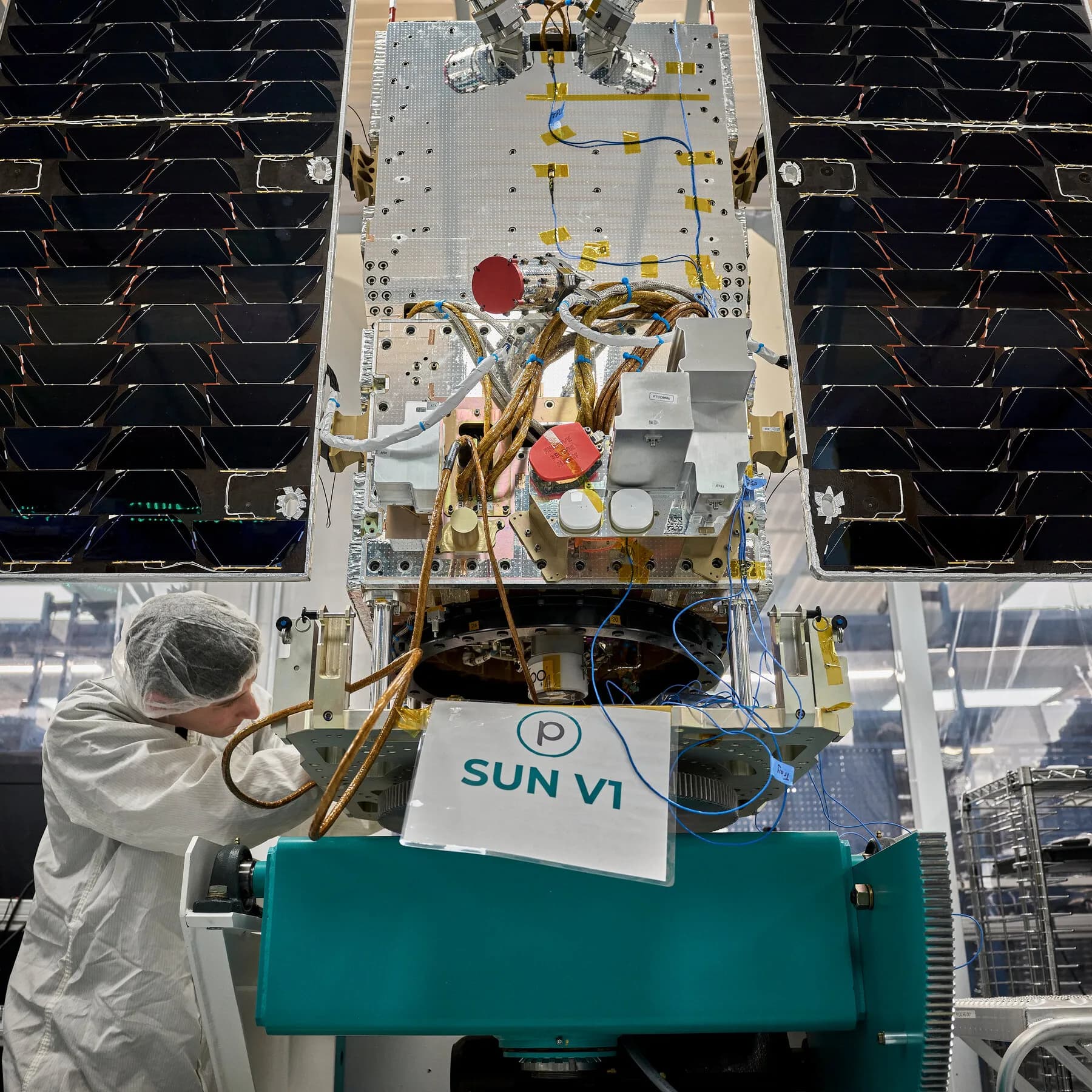
Google's Project Suncatcher represents a bold step into the realm of space-based computing, driven by the increasing energy demands of AI technologies. Traditional data centers are facing significant challenges due to rising energy costs and environmental concerns. By launching the MVP satellite, Google aims to leverage the near-constant sunlight available in low Earth orbit, which can produce up to eight times more solar energy than ground-based systems. This could lead to a paradigm shift in how AI computations are performed, potentially reducing reliance on terrestrial energy sources.
The MVP satellite, equipped with four TPUs, is designed to handle simple AI inference queries while consuming approximately one kilowatt of solar energy—about the same as a hair dryer. This innovative approach not only tests the feasibility of space-based AI infrastructure but also addresses the pressing need for sustainable energy solutions in the tech industry. The satellite's operational phase will last about one year, during which it will perform limited AI tasks for 15-minute intervals, gathering crucial data on thermal management, radiation effects, and hardware reliability.
Google's decision to integrate TPUs into an existing Planet Labs satellite platform rather than creating custom hardware reflects a strategic pivot aimed at accelerating the timeline for testing. This approach allows for quicker deployment and validation of the technology, which could pave the way for larger constellations of interconnected satellites in future phases of the project.
The implications of this initiative extend beyond just Google. Other tech companies are also exploring space-based data centers, indicating a growing interest in orbital compute solutions. As the industry shifts towards more sustainable energy practices, the success of Project Suncatcher could inspire similar ventures, potentially leading to a new era of energy-efficient AI processing.
Who feels it first (and how)
- Tech companies: They may benefit from reduced energy costs and increased computational capabilities.
- AI researchers: Access to new data processing methods could enhance research and development.
- Environmental advocates: A shift to solar-powered data centers aligns with sustainability goals.
- Investors in space technology: Opportunities may arise from advancements in space-based infrastructure.
What to watch next
- Performance data from the MVP satellite: Monitoring its operational efficiency and energy generation will provide insights into the viability of space-based AI.
- Industry responses: Watch for announcements from other tech companies regarding their own space-based initiatives or partnerships.
- Regulatory developments: As this technology evolves, potential regulations surrounding space-based data centers may emerge.
The MVP satellite is scheduled for launch on October 1, 2026.
Successful data collection could lead to larger constellations of satellites for AI processing.
The long-term commercial viability of space-based AI infrastructure remains to be seen.
Frequently Asked Questions
- Why it matters?
- This initiative could significantly alleviate energy constraints faced by terrestrial AI data centers.
- What happened (in 30 seconds)?
- On October 1, 2026, Google plans to launch an experimental satellite named MVP into low Earth orbit. The satellite features four Tensor Processing Units (TPUs) designed to handle AI inference queries using solar power. Project Suncatcher aims to explore space-based AI infrastructure, potentially generating up to eight times more solar energy than ground systems.
- What's really happening?
- Google's Project Suncatcher represents a bold step into the realm of space-based computing, driven by the increasing energy demands of AI technologies. Traditional data centers are facing significant challenges due to rising energy costs and environmental concerns. By launching the MVP satellite, Google aims to leverage the near-constant sunlight available in low Earth orbit, which can produce up to eight times more solar energy than ground-based systems. This could lead to a paradigm shift in h
- Who feels it first (and how)?
- Tech companies: They may benefit from reduced energy costs and increased computational capabilities. AI researchers: Access to new data processing methods could enhance research and development. Environmental advocates: A shift to solar-powered data centers aligns with sustainability goals. Investors in space technology: Opportunities may arise from advancements in space-based infrastructure.
- What to watch next?
- Performance data from the MVP satellite: Monitoring its operational efficiency and energy generation will provide insights into the viability of space-based AI. Industry responses: Watch for announcements from other tech companies regarding their own space-based initiatives or partnerships. Regulatory developments: As this technology evolves, potential regulations surrounding space-based data centers may emerge.
Tech news, hardware, and AI tools coverage.
"PC/tech site increasingly covering AI hardware and apps."
— A47 Editor
Google is launching AI chips into space to see if they survive up there
Google is set to launch a small test platform into space, equipped with four Tensor Processing Units (TPUs), to evaluate their performance in extreme conditions. This initiative, part of Project Suncatcher, aims to assess the durability and functiona...
Tech, science, and startup news including AI.
"Irish tech outlet covering innovation and AI."
— A47 Editor
Google plans satellite launch to test AI compute in space
Google is preparing to launch a prototype satellite as part of Project Suncatcher, marking its first in-orbit test aimed at evaluating AI computing capabilities in space. This initiative is set to take place on October 1, where the satellite will be ...
Daily AI news: models, tools, and policy.
"Independent outlet tracking the fast pace of AI."
— A47 Editor
Google's Suncatcher project aims to put AI data centers in orbit powered by solar energy
Google's Suncatcher project is set to launch an experimental satellite on October 1, designed to operate AI infrastructure in orbit using solar energy. This fridge-sized satellite will be tested for its performance in the harsh conditions of space, m...
Consumer technology news with AI coverage.
"Gadget and tech site reporting on AI in products."
— A47 Editor
Google is sending a teensy-tiny AI data center to space
Google is launching a small AI data center into space as part of an experiment to evaluate how its chips perform in the extreme conditions of outer space. This initiative aims to test the durability and functionality of the technology beyond Earth's ...
Covers consumer technology, electronics, gadgets, and product reviews.
"Engadget is a trusted source for gadget reviews and consumer tech news, known for its hands-on analysis and industry coverage."
— A47 Editor
Google is sending a teensy-tiny AI data center to space
Google is launching a small AI data center into space as part of an experiment to evaluate how its chips perform in the extreme conditions of outer space. This initiative aims to test the durability and functionality of the technology beyond Earth's ...
In-depth coverage of hardware, software, science, and policy.
"Ars Technica provides expert technology news, hardware reviews, and analysis for a technically savvy audience."
— A47 Editor
Google's first Suncatcher orbital data center test launches October 1
Google is set to launch its first experimental orbital data center, known as Suncatcher, on October 1. This initiative will feature four Tensor Processing Units (TPUs) and will operate for a limited duration of 15 minutes at a time, aiming to test th...
In-depth reporting on tech, policy, and science including AI.
"Respected analysis for technically savvy readers, including AI topics."
— A47 Editor
Google's first Suncatcher orbital data center test launches October 1
Google is set to launch its first experimental orbital data center, known as Suncatcher, on October 1. This initiative will feature four Tensor Processing Units (TPUs) and will operate for a limited duration of 15 minutes at a time, aiming to test th...
Tech startup news, programming trends, and discussions shared by the developer community.
"Hacker News is a community-driven source highlighting influential tech discussions, startup launches, and programming insights."
— A47 Editor
Google’s Project Suncatcher to put ML infrastructure in space
Google has announced its Project Suncatcher, which aims to establish machine learning infrastructure in space, marking a significant step in the company's exploration of extraterrestrial data centers. This initiative is part of a broader trend in the...
Tech industry coverage with AI angles.
"Mainstream tech news intersecting with AI policy and culture."
— A47 Editor
Google Is Sending an A.I. Data Center to Outer Space
Google is set to launch an experimental satellite into orbit next Thursday, equipped with sufficient computing power to handle simple AI queries from space. This initiative involves a technician inspecting the satellite's solar panels and wiring in a...
Scientific research, space, environment, and health coverage.
"The New York Times is a globally recognized newspaper offering authoritative reporting with a center-left editorial stance."
— A47 Editor
Google Is Sending an A.I. Data Center to Outer Space
Google is set to launch an experimental satellite into orbit next Thursday, equipped with sufficient computing power to handle simple AI queries from space. This initiative involves a technician inspecting the satellite's solar panels and wiring in a...
Tech policy, trends, and innovation news.
"The New York Times is a globally recognized newspaper offering authoritative reporting with a center-left editorial stance."
— A47 Editor
Google Is Sending an A.I. Data Center to Outer Space
Google is set to launch an experimental satellite into orbit next Thursday, equipped with sufficient computing power to handle simple AI queries from space. This initiative involves a technician inspecting the satellite's solar panels and wiring in a...