
Fiserv Launches Digital Asset Platform with Bank of North Dakota's Roughrider Coin for Interbank Settlement
Why it matters
This initiative marks a significant shift in how banks can leverage blockchain technology for interbank settlements.
What happened (in 30 seconds)
- Fiserv launched its digital asset platform on October 1, 2026, with the Roughrider Coin as the first stablecoin for interbank transfers.
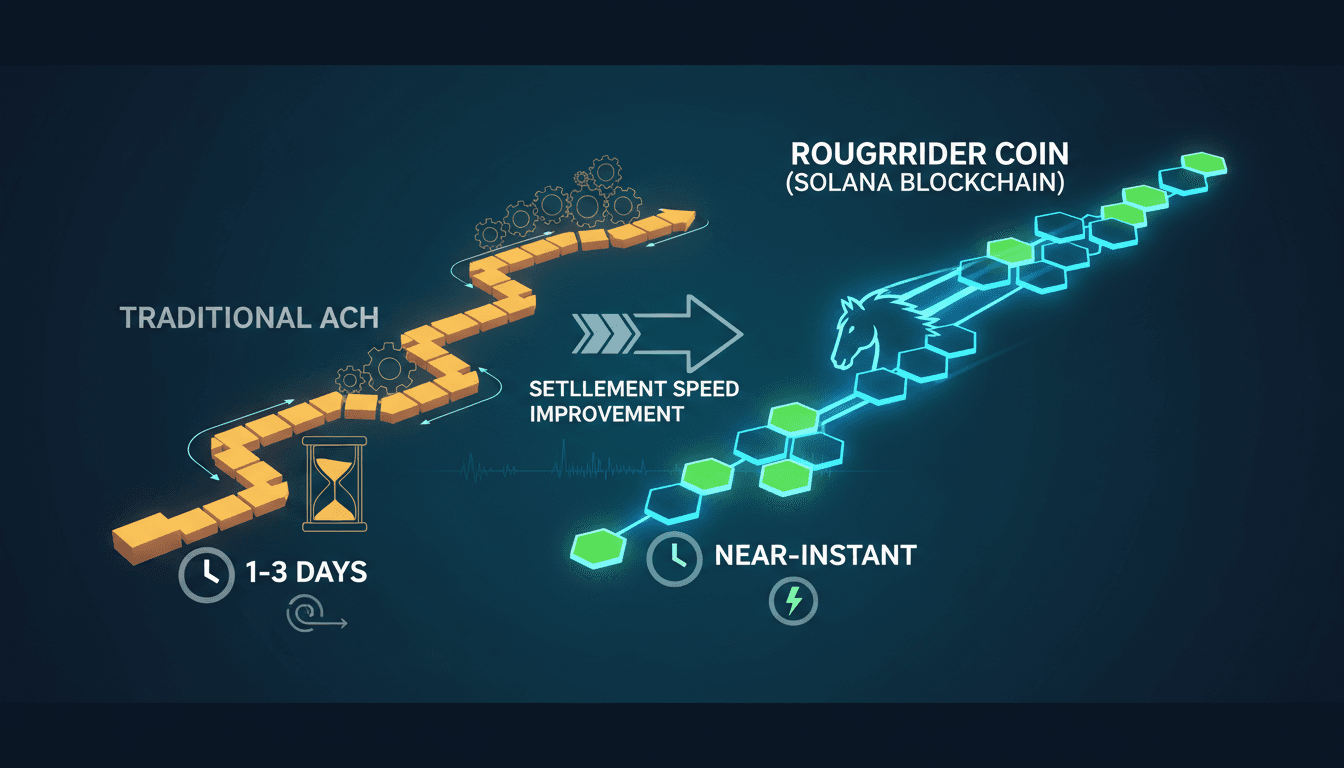
- The platform utilizes Solana's blockchain to enable near-instant settlement times of approximately 400 milliseconds, replacing traditional overnight processing.
- Over 90 North Dakota banks and credit unions are participating, with the system designed for secure, regulated transactions among approved institutions.
The context you actually need
- The project was announced in October 2025 as a collaboration between Fiserv and the Bank of North Dakota, aiming to create a state-specific interbank settlement token.
- This deployment aligns with industry trends where financial institutions are integrating blockchain into existing systems rather than adopting standalone crypto solutions.
- Solana was previously selected by Fiserv for its FIUSD platform, indicating a strategic partnership focused on enhancing transaction efficiency.
What's really happening
On October 1, 2026, Fiserv activated its digital asset platform, marking a pivotal moment in the integration of blockchain technology within regulated banking environments. The Roughrider Coin, a stablecoin backed 1:1 by U.S. dollars, is designed exclusively for interbank transfers among a network of over 90 North Dakota banks and credit unions. This initiative is significant as it embeds public blockchain technology into the workflows of U.S. financial institutions, allowing for a shift from traditional overnight Automated Clearing House (ACH) processing to near-instant, 24/7 settlement capabilities.
The platform operates on the Solana blockchain, known for its high throughput and low transaction costs. Transactions settle in approximately 400 milliseconds, a stark contrast to the hours or even days required for traditional methods. This speed is facilitated by the use of Token-2022 extensions, which provide necessary controls for permissioning, freezing, and clawback functionalities. Such features ensure that the system remains compliant with regulatory standards while offering the efficiency of blockchain technology.
VersaBank USA plays a crucial role as the issuer and custodian of the Roughrider Coin, managing the minting and burning of tokens as well as custody of reserves. Fireblocks, a digital asset security provider, supplies the underlying infrastructure, ensuring that transactions are secure and reliable. The integration of these technologies allows Fiserv to offer a seamless banking interface through its existing Commercial Center system, eliminating the need for separate wallets or complex user experiences.
This deployment is not just a technological upgrade; it represents a broader trend in the financial sector where institutions are increasingly looking to blockchain for solutions that enhance operational efficiency and reduce costs. As banks and credit unions adopt this system, the potential for scaling similar deployments across Fiserv's extensive client base could reshape the landscape of interbank transactions in the U.S. and beyond.
Who feels it first (and how)
- Banking professionals: Enhanced transaction efficiency could lead to reduced operational costs and improved service offerings.
- Credit unions: Smaller institutions can leverage this technology to compete with larger banks on transaction speed and reliability.
- Regulatory bodies: Increased scrutiny on how blockchain is integrated into traditional banking practices may arise.
What to watch next
- Adoption rates among participating banks: Tracking how quickly institutions integrate the Roughrider Coin into their operations will indicate the platform's success.
- Regulatory responses: Observing how regulators react to this integration of blockchain in banking could shape future policies.
- Expansion beyond North Dakota: If successful, Fiserv may look to replicate this model in other states, which could have broader implications for the U.S. banking system.
The Roughrider Coin is live and operational for interbank transfers among North Dakota banks.
Other states may explore similar blockchain-based solutions for their banking systems if this deployment proves successful.
The long-term impact on transaction volumes and adoption metrics remains to be seen, as no public data has been disclosed yet.
Frequently Asked Questions
- Why it matters?
- This initiative marks a significant shift in how banks can leverage blockchain technology for interbank settlements.
- What happened (in 30 seconds)?
- Fiserv launched its digital asset platform on October 1, 2026, with the Roughrider Coin as the first stablecoin for interbank transfers. The platform utilizes Solana's blockchain to enable near-instant settlement times of approximately 400 milliseconds, replacing traditional overnight processing. Over 90 North Dakota banks and credit unions are participating, with the system designed for secure, regulated transactions among approved institutions.
- What's really happening?
- On October 1, 2026, Fiserv activated its digital asset platform, marking a pivotal moment in the integration of blockchain technology within regulated banking environments. The Roughrider Coin, a stablecoin backed 1:1 by U.S. dollars, is designed exclusively for interbank transfers among a network of over 90 North Dakota banks and credit unions. This initiative is significant as it embeds public blockchain technology into the workflows of U.S. financial institutions, allowing for a shift from tr
- Who feels it first (and how)?
- Banking professionals: Enhanced transaction efficiency could lead to reduced operational costs and improved service offerings. Credit unions: Smaller institutions can leverage this technology to compete with larger banks on transaction speed and reliability. Regulatory bodies: Increased scrutiny on how blockchain is integrated into traditional banking practices may arise.
- What to watch next?
- Adoption rates among participating banks: Tracking how quickly institutions integrate the Roughrider Coin into their operations will indicate the platform's success. Regulatory responses: Observing how regulators react to this integration of blockchain in banking could shape future policies. Expansion beyond North Dakota: If successful, Fiserv may look to replicate this model in other states, which could have broader implications for the U.S. banking system.
News and analysis on Bitcoin, altcoins, and blockchain innovation.
"Bitcoinist delivers news and analysis on Bitcoin, altcoins, and blockchain innovation with a focus on market trends and industry updates."
— A47 Editor
Fiserv Puts Solana Under A Live Bank Stablecoin As Roughrider Coin Goes Into Production
Fiserv has launched its digital-asset platform, with the Bank of North Dakota's Roughrider Coin as its inaugural production use case. Transactions for Roughrider Coin are processed on the Solana blockchain, with VersaBank acting as the issuer and Fir...
Bitcoin news, technical analysis, and forecasts across crypto markets.
"NewsBTC covers Bitcoin news, technical analysis, and forecasts across crypto markets and major blockchain projects."
— A47 Editor
Fiserv Puts Stablecoin Banking Platform Live With North Dakota Roughrider Coin
Fiserv has launched its digital-asset platform, with the Bank of North Dakota's Roughrider Coin as the first live use case, marking a significant step in integrating stablecoins into traditional banking systems. The platform utilizes Solana for trans...
Real-time updates, analysis, and reports on the blockchain and cryptocurrency sectors.
"Crypto News delivers real-time updates, analysis, and reports on the blockchain and cryptocurrency sectors."
— A47 Editor
Solana chosen for Fiserv’s new bank stablecoin platform
Fiserv has launched its digital asset platform featuring the Roughrider Coin, a stablecoin developed in collaboration with the Bank of North Dakota, enabling over 90 banks and credit unions in North Dakota to utilize tokenized settlement. This platfo...