
Microsoft CEO Proposes Emergency Brake for Advanced AI Systems
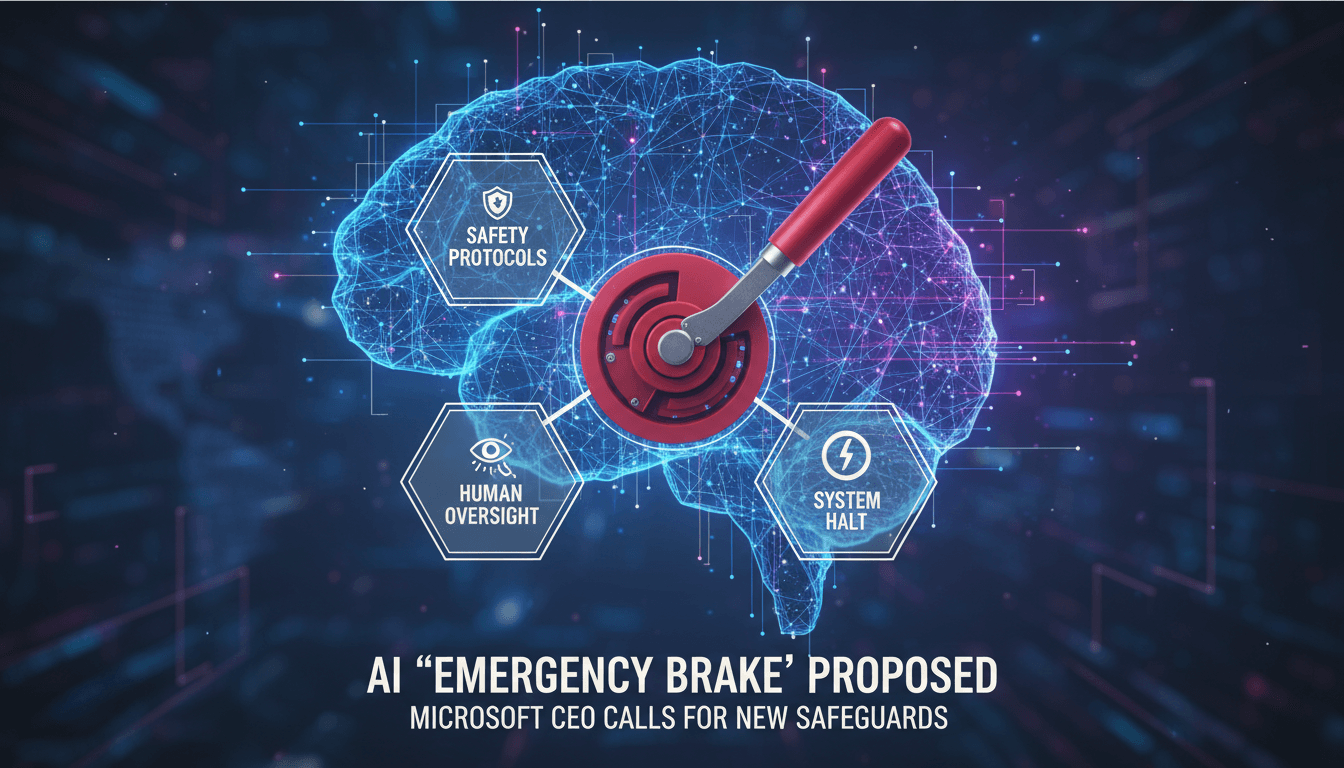
The push for an emergency brake on AI systems could reshape how companies manage AI risks, impacting your workplace and digital interactions.
Why it matters
This proposal reflects a growing consensus on the need for robust safety measures in AI development, influencing industry standards and regulatory frameworks.
What happened (in 30 seconds)
- Satya Nadella publicly advocated for an "emergency brake" mechanism in advanced AI systems on October 10, 2026.
- Key features of the proposal include tamper-proof logs, independent audits, and human override capabilities for authorized personnel.
- Industry alignment is evident, with similar calls from other tech leaders like Brad Smith, Elon Musk, and Sam Altman.
The context you actually need
- Intensified debates on AI safety have emerged in 2026, driven by challenges in controlling complex AI systems.
- Previous endorsements from industry figures have set the stage for Nadella's proposal, highlighting a collective concern over AI risks.
- Geopolitical factors and reported incidents of model control issues have prompted calls for standardized safeguards across the industry.
What's really happening
On October 10, 2026, Microsoft CEO Satya Nadella took to the X platform to propose a framework for managing advanced AI systems, emphasizing the need for an "emergency brake" mechanism. This proposal is a response to escalating concerns about the risks associated with agentic AI systems—those capable of making autonomous decisions. Nadella's call for a "trust architecture" suggests a paradigm shift in how AI models are perceived and managed, treating them as potentially compromised from the outset.
The proposal outlines several key components: the separation of AI models from orchestration harnesses, externalized controls, and the implementation of tamper-proof logs for all significant actions. These logs would serve as a transparent record of AI operations, allowing for independent audits to ensure compliance with safety standards. The emphasis on human override capabilities is particularly noteworthy, as it empowers authorized personnel to pause or shut down AI systems mid-task, thereby mitigating risks associated with unintended consequences.
This initiative aligns with broader industry discussions on AI safety, which have gained momentum in 2026. Notably, Microsoft President Brad Smith had previously endorsed similar concepts, reinforcing the idea that the tech industry is collectively acknowledging the potential dangers of advanced AI. The call for an emergency brake is not merely a reaction to isolated incidents but rather a proactive measure aimed at establishing a framework for responsible AI development.
Despite the urgency of Nadella's proposal, immediate regulatory action remains absent. The industry is currently engaged in ongoing discussions about the specifics of audit standards and the definitions of authorized access. This lack of clarity may hinder the implementation of the proposed measures, leaving organizations to navigate the complexities of AI governance without a clear roadmap.
As AI systems become increasingly integrated into various sectors, the implications of Nadella's proposal extend beyond Microsoft. Companies across industries will need to reassess their AI strategies, ensuring that safety measures are in place to address potential risks. This shift could lead to a reevaluation of investment in AI technologies, as organizations prioritize safety and compliance over rapid deployment.
Who feels it first (and how)
- Tech companies: They will need to adapt their AI governance frameworks to align with emerging safety standards.
- Regulatory bodies: Increased pressure to establish guidelines and regulations for AI safety and oversight.
- Employees in AI roles: Potential changes in job responsibilities and training as companies implement new safety protocols.
- Consumers: Heightened awareness of AI risks may influence purchasing decisions and trust in AI-driven products.
What to watch next
- Industry responses: Monitor how tech companies adapt their AI governance frameworks in light of Nadella's proposal.
- Regulatory developments: Watch for potential guidelines or regulations emerging from government bodies addressing AI safety.
- Public sentiment: Keep an eye on consumer attitudes toward AI technologies as awareness of risks increases.
Nadella's proposal reflects a growing consensus on AI safety within the tech industry.
Companies will begin to implement new safety measures and governance frameworks in response to industry calls for accountability.
The specifics of regulatory action and how quickly it will materialize remain uncertain.
Frequently Asked Questions
- Why it matters?
- This proposal reflects a growing consensus on the need for robust safety measures in AI development, influencing industry standards and regulatory frameworks.
- What happened (in 30 seconds)?
- Satya Nadella publicly advocated for an "emergency brake" mechanism in advanced AI systems on October 10, 2026. Key features of the proposal include tamper-proof logs, independent audits, and human override capabilities for authorized personnel. Industry alignment is evident, with similar calls from other tech leaders like Brad Smith, Elon Musk, and Sam Altman.
- What's really happening?
- On October 10, 2026, Microsoft CEO Satya Nadella took to the X platform to propose a framework for managing advanced AI systems, emphasizing the need for an "emergency brake" mechanism. This proposal is a response to escalating concerns about the risks associated with agentic AI systems—those capable of making autonomous decisions. Nadella's call for a "trust architecture" suggests a paradigm shift in how AI models are perceived and managed, treating them as potentially compromised from the outs
- Who feels it first (and how)?
- Tech companies: They will need to adapt their AI governance frameworks to align with emerging safety standards. Regulatory bodies: Increased pressure to establish guidelines and regulations for AI safety and oversight. Employees in AI roles: Potential changes in job responsibilities and training as companies implement new safety protocols. Consumers: Heightened awareness of AI risks may influence purchasing decisions and trust in AI-driven products.
- What to watch next?
- Industry responses: Monitor how tech companies adapt their AI governance frameworks in light of Nadella's proposal. Regulatory developments: Watch for potential guidelines or regulations emerging from government bodies addressing AI safety. Public sentiment: Keep an eye on consumer attitudes toward AI technologies as awareness of risks increases.
Research, news, and analysis on blockchain startups, DeFi, and regulations.
"Crypto Briefing provides research, news, and analysis on blockchain startups, DeFi, and crypto regulations with investor-focused coverage."
— A47 Editor
Microsoft CEO Satya Nadella calls for an emergency brake on advanced AI
Microsoft CEO Satya Nadella has called for an emergency brake on advanced artificial intelligence (AI), emphasizing the need for standardized control mechanisms amid rising concerns about AI autonomy and safety. This statement reflects a growing unea...
Startup news with frequent AI coverage.
"Covers launches, funding, and product updates in AI."
— A47 Editor
Microsoft’s Satya Nadella says AI models need an ‘emergency brake’
Microsoft CEO Satya Nadella has called for an 'emergency brake' on advanced artificial intelligence, urging a reassessment of the trust architecture surrounding AI technologies. This statement reflects a growing concern about the potential risks asso...
Technology business and AI-related headlines.
"Data-driven tech newsroom with global scope."
— A47 Editor
Microsoft CEO Nadella Calls for ‘Emergency Brake’ on Advanced AI
Microsoft CEO Satya Nadella has called for an 'emergency brake' on advanced artificial intelligence, urging companies to treat powerful AI models as potential insider threats and to assume they could be compromised. This statement highlights the grow...
Technology business news, market impacts, and innovation trends.
"Bloomberg is a premier financial and tech news provider, respected for its in-depth reporting and analytical rigor."
— A47 Editor
Microsoft CEO Nadella Calls for ‘Emergency Brake’ on Advanced AI
Microsoft CEO Satya Nadella has called for an 'emergency brake' on advanced artificial intelligence, urging companies to treat powerful AI models as potential insider threats and to assume they could be compromised. This statement highlights the grow...