
Cyberattack on European Supermarkets Causes Major Refrigeration Failures
Why it matters
This cyberattack highlights vulnerabilities in critical infrastructure that can disrupt food supply chains across Europe.
What happened (in 30 seconds)
- On October 11-12, 2026, attackers exploited outdated IoT controllers in 700 supermarkets, primarily in France.
- Temperatures soared to 50°C (122°F), spoiling perishable goods and causing significant financial losses.
- French authorities launched an investigation, revealing systemic security flaws in the affected refrigeration systems.
The context you actually need
- Legacy systems: Many affected controllers were outdated and lacked necessary security updates, making them easy targets.
- Predictable passwords: Attackers exploited weak security practices, including default and easily guessable passwords.
- Prior warnings ignored: Security advisories had previously highlighted vulnerabilities, yet many supermarkets failed to act.
What's really happening
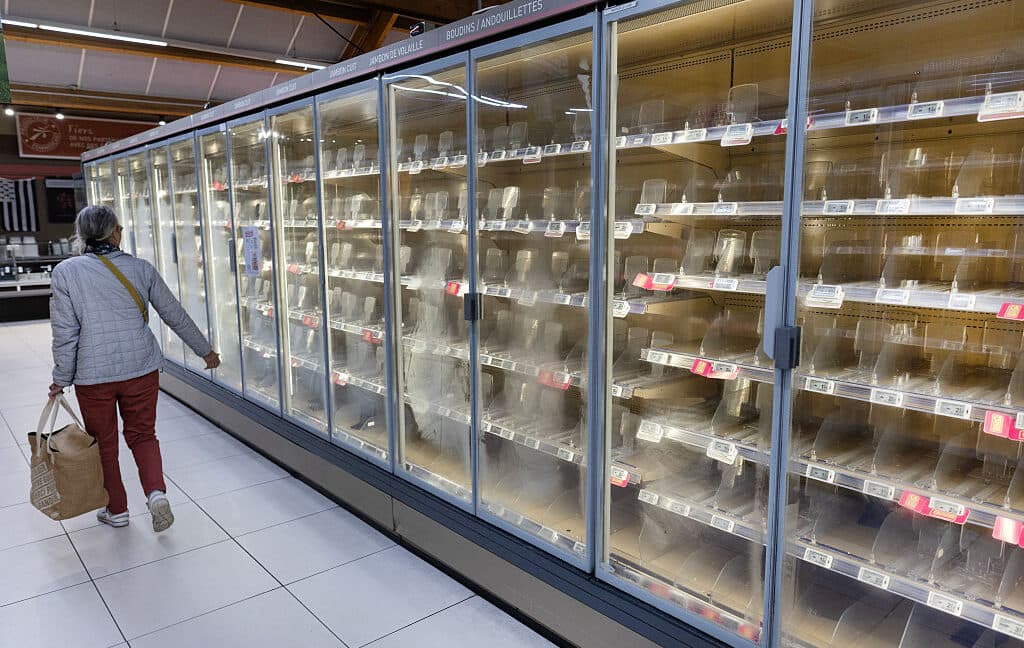
The cyberattack on supermarket refrigeration systems is a stark reminder of the vulnerabilities inherent in legacy Internet of Things (IoT) devices. On the night of October 11-12, 2026, attackers gained administrative access to refrigeration controllers from companies like Danfoss and Copeland/Dixell, which were widely used across European supermarkets. By remotely activating extended defrost cycles, they raised temperatures to 50°C (122°F), leading to the spoilage of vast quantities of food and igniting fires in several locations.
This incident was not an isolated event but rather a culmination of systemic issues within the cybersecurity landscape of industrial control systems (ICS). Many of the affected devices were end-of-life models that had not received firmware updates for years. Despite prior advisories from organizations like CISA and Claroty, which documented remote access flaws in these controllers, many supermarkets continued to operate them without adequate security measures. The use of predictable daily passwords, often derived from public code, further compounded the risk, allowing attackers to breach systems with relative ease.
The aftermath of the attack has seen French authorities, including the Paris Prosecutor's Office and ANSSI, initiate a national investigation. Retailers are now discarding compromised inventory and replacing outdated controllers, but the broader implications extend beyond immediate financial losses. This incident underscores the urgent need for improved cybersecurity hygiene across industries that rely on interconnected devices.
As supermarkets and other sectors increasingly adopt IoT technologies, the lessons from this attack will likely prompt a reevaluation of security protocols. However, without regulatory mandates or market-wide standards, the risk of similar incidents remains high. The lack of accountability for cybersecurity practices in the retail sector could lead to further vulnerabilities, impacting not just food supply chains but also consumer trust in the safety of their purchases.
Who feels it first (and how)
- Supermarket chains: Directly impacted by inventory loss and potential reputational damage.
- Consumers: May face higher prices and reduced availability of perishable goods.
- Cybersecurity firms: Increased demand for services to audit and secure legacy systems.
- Regulatory bodies: Pressured to implement stricter cybersecurity regulations for critical infrastructure.
What to watch next
- Regulatory changes: Watch for potential new cybersecurity regulations targeting IoT devices in the retail sector.
- Market response: Monitor how affected supermarket chains adapt their security measures and technology investments.
- Cybersecurity trends: Keep an eye on the rise of cybersecurity services tailored for industrial control systems.
The attack compromised refrigeration systems in approximately 700 supermarkets across Europe.
Affected retailers will face increased scrutiny and pressure to upgrade their cybersecurity measures.
The long-term impact on food prices and availability in European markets remains to be seen.
Frequently Asked Questions
- Why it matters?
- This cyberattack highlights vulnerabilities in critical infrastructure that can disrupt food supply chains across Europe.
- What happened (in 30 seconds)?
- On October 11-12, 2026, attackers exploited outdated IoT controllers in 700 supermarkets, primarily in France. Temperatures soared to 50°C (122°F), spoiling perishable goods and causing significant financial losses. French authorities launched an investigation, revealing systemic security flaws in the affected refrigeration systems.
- What's really happening?
- The cyberattack on supermarket refrigeration systems is a stark reminder of the vulnerabilities inherent in legacy Internet of Things (IoT) devices. On the night of October 11-12, 2026, attackers gained administrative access to refrigeration controllers from companies like Danfoss and Copeland/Dixell, which were widely used across European supermarkets. By remotely activating extended defrost cycles, they raised temperatures to 50°C (122°F), leading to the spoilage of vast quantities of food and
- Who feels it first (and how)?
- Supermarket chains: Directly impacted by inventory loss and potential reputational damage. Consumers: May face higher prices and reduced availability of perishable goods. Cybersecurity firms: Increased demand for services to audit and secure legacy systems. Regulatory bodies: Pressured to implement stricter cybersecurity regulations for critical infrastructure.
- What to watch next?
- Regulatory changes: Watch for potential new cybersecurity regulations targeting IoT devices in the retail sector. Market response: Monitor how affected supermarket chains adapt their security measures and technology investments. Cybersecurity trends: Keep an eye on the rise of cybersecurity services tailored for industrial control systems.
Conservative-leaning political and national coverage.
"The Washington Times is a conservative-leaning newspaper known for its political coverage and advocacy of right-of-center viewpoints."
— A47 Editor
5 questions about the cyberattack on European supermarkets
A significant cyberattack has compromised refrigeration systems in hundreds of French supermarkets, leading to dangerously high temperatures and food spoilage. This incident also prompted a Dutch grocery giant to shut down its systems following a rel...
In-depth reporting on tech, policy, and science including AI.
"Respected analysis for technically savvy readers, including AI topics."
— A47 Editor
Fridge hack costing millions and sparking fires stemmed from poor security
A significant security breach has affected 700 supermarkets, where outdated devices exposed to the Internet were exploited, leading to costly incidents and potential fire hazards. This vulnerability highlights the critical need for improved cybersecu...
In-depth coverage of hardware, software, science, and policy.
"Ars Technica provides expert technology news, hardware reviews, and analysis for a technically savvy audience."
— A47 Editor
Fridge hack costing millions and sparking fires stemmed from poor security
A significant security breach has affected 700 supermarkets, where outdated devices exposed to the Internet were exploited, leading to costly incidents and potential fire hazards. This vulnerability highlights the critical need for improved cybersecu...
National headlines across the United States including breaking stories and societal issues.
"NBC News is a mainstream media outlet known for comprehensive national and international news coverage with a centrist to slightly left-leaning editorial tone."
— A47 Editor
Investigation Underway Into France Supermarket Cyberattack
An unprecedented cyberattack has targeted hundreds of supermarkets across France, with hackers gaining control over refrigeration systems, causing temperatures to rise dangerously high while stores were closed. This incident has prompted an investiga...