
Saudi Data and Artificial Intelligence Authority releases AI Bias Reference Guide
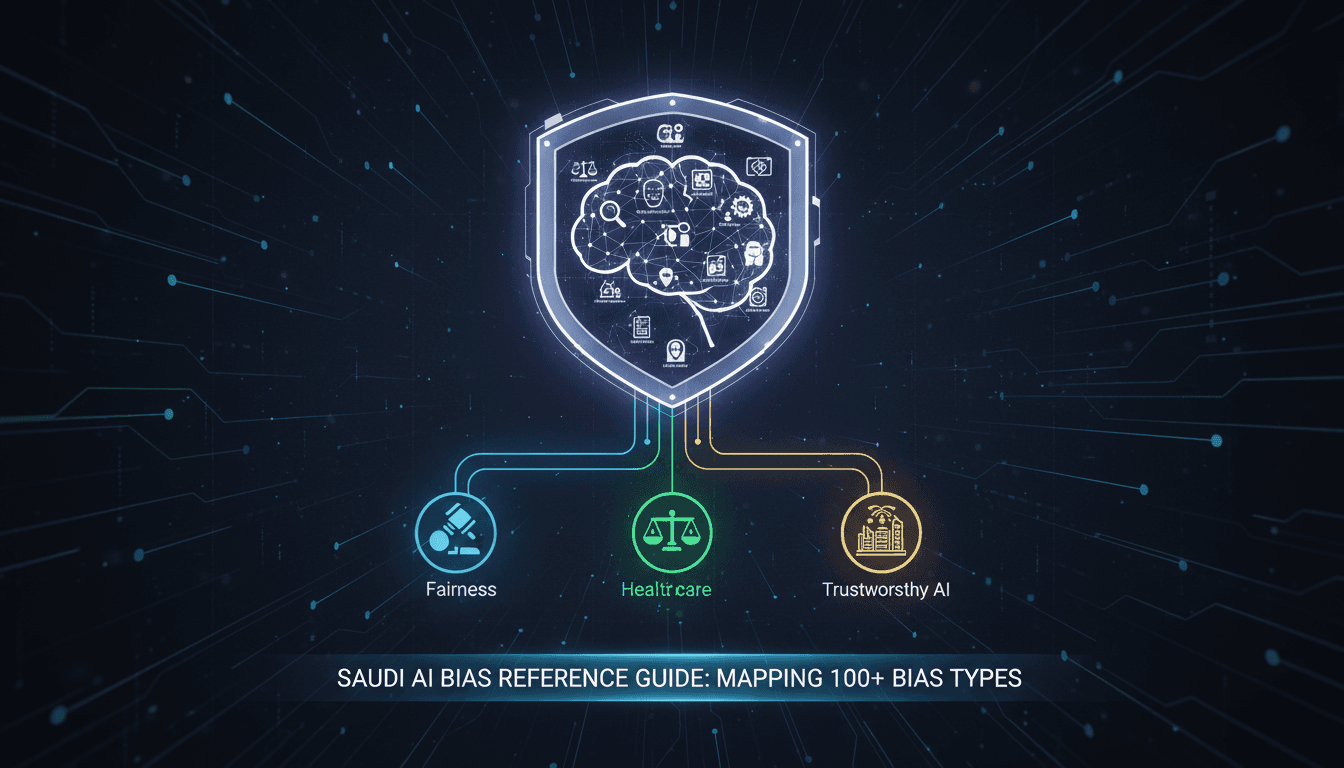
Here's what it means for you.
The release of the AI Bias Reference Guide by the Saudi Data and Artificial Intelligence Authority (SDAIA) signifies a pivotal move towards ensuring fairness in AI applications across various sectors. By identifying over 100 types of bias, the guide serves as a crucial resource for organizations aiming to enhance the accuracy and integrity of their AI systems. This initiative not only addresses immediate concerns regarding bias but also fosters long-term trust in technology among stakeholders. As AI continues to permeate critical areas such as justice and healthcare, the implications of unchecked biases could lead to significant legal and reputational risks. Therefore, this guide is essential for promoting responsible AI use and safeguarding against discrimination.
What happened
The Saudi Data and Artificial Intelligence Authority has published its first AI Bias Reference Guide, which highlights over 100 types of bias that can affect AI systems. This comprehensive guide aims to address the implications of these biases on accuracy and fairness in critical sectors, including justice, healthcare, and education. By detailing various biases, the guide provides organizations with the necessary tools to understand and mitigate the risks associated with AI.
The guide includes definitions, origins, and societal impacts of AI biases, emphasizing the importance of addressing these issues to maintain the effectiveness of AI systems. This initiative marks a significant step in SDAIA's broader effort to promote responsible and ethical AI use in Saudi Arabia.
The Context
The release of the AI Bias Reference Guide is set against a backdrop of increasing reliance on AI technologies in various sectors. As organizations integrate AI into their operations, the potential for biases to undermine fairness and effectiveness has become a pressing concern. The guide serves as a timely resource for stakeholders looking to navigate the complexities of AI deployment responsibly.
SDAIA's initiative reflects a commitment to strengthening digital innovation and national capabilities in advanced technologies. By addressing the societal impacts of AI biases, the authority aims to foster an environment where technology enhances fairness rather than perpetuates discrimination.
Takeaway
Addressing AI biases is crucial for ensuring that technology serves to enhance fairness rather than perpetuate discrimination. As organizations begin to implement strategies to mitigate these biases, it will be important to monitor their effectiveness across various sectors. The ongoing efforts by SDAIA to publish further guidelines on ethical AI practices will also be significant in shaping the future landscape of AI in Saudi Arabia.
As AI continues to evolve, the focus on identifying and mitigating biases will be essential for fostering trust and ensuring equitable outcomes in technology applications. Stakeholders should remain vigilant in their efforts to uphold the principles of fairness and accountability in AI deployment.
Arabic-language coverage of Saudi, regional, and international affairs.
"Al Bilad offers mainstream Saudi newspaper coverage across domestic and broader Arab topics."
— A47 Editor
دعم المحتوى المعرفي المتخصص وتمكين الكفاءات.. «سدايا» ترصد 100 تحيز في«دليل تحيزات الذكاء»
The Saudi Data and Artificial Intelligence Authority (SDAIA) has released the first edition of the 'Reference Guide to AI Biases,' which identifies over 100 biases that may affect the accuracy and fairness of artificial intelligence systems. The guid...
English-language reporting on Saudi politics, policy, and society.
"Saudi Gazette reflects mainstream Saudi institutional perspectives."
— A47 Editor
SDAIA issues AI bias reference guide with over 100 bias types
The Saudi Data and Artificial Intelligence Authority (SDAIA) has launched its first AI Bias Reference Guide, which identifies over 100 types of bias that can affect AI systems' fairness and accuracy. This guide aims to define various forms of AI bias...
English-language reporting focused on Saudi Arabia and regional affairs.
"Saudi Gazette provides English-language coverage that often aligns with mainstream Saudi news priorities."
— A47 Editor
SDAIA issues AI bias reference guide with over 100 bias types
The Saudi Data and Artificial Intelligence Authority (SDAIA) has launched its inaugural AI Bias Reference Guide, which identifies over 100 types of bias that can impact the fairness and accuracy of AI systems. This guide aims to define various forms ...
Arabic-language reporting focused on domestic developments in Saudi Arabia.
"Okaz is a mainstream Saudi newspaper that often reflects domestic priorities and official-facing coverage."
— A47 Editor
«سدايا»: رصد 100 تحيز في «الذكاء الاصطناعي» يؤثر على سمعة المؤسسات
The Saudi Data and Artificial Intelligence Authority (SDAIA) has identified over 100 biases affecting the accuracy and fairness of artificial intelligence systems. In its first edition of the 'Reference Guide to AI Biases,' SDAIA outlined definitions...