
Shipping traffic remains stable in critical maritime chokepoints amid geopolitical tensions
What happened
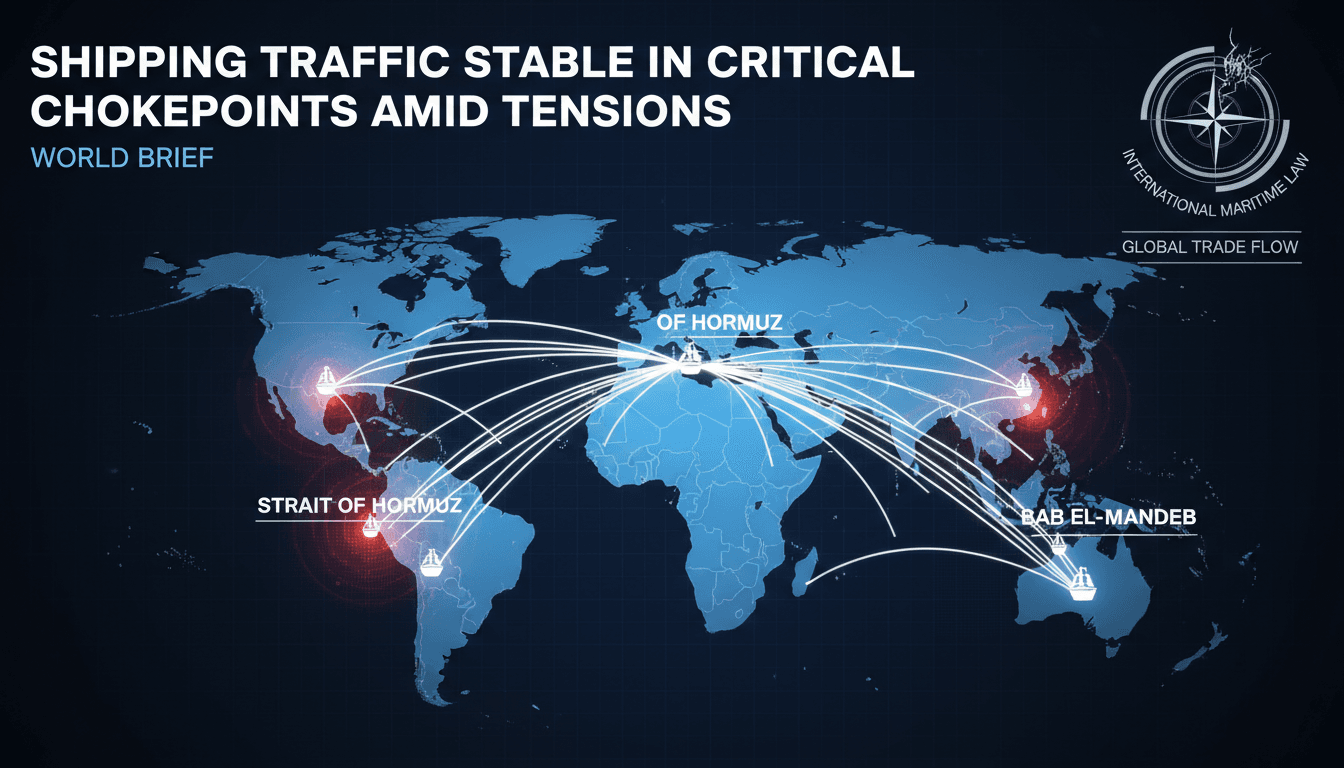
Shipping activity in the Strait of Hormuz and Bab el-Mandeb has remained stable despite rising geopolitical tensions in the region. Current data indicates that there has been no change in traffic through these critical maritime chokepoints. This stability is noteworthy given the unprecedented risks posed by the current geopolitical climate.
International maritime law prohibits any country from blocking navigation or imposing fees in these straits, which are vital for global trade. The ongoing situation raises questions about the effectiveness of these regulations and the responsibilities of nations to ensure safe passage.
The Context
The Strait of Hormuz and Bab el-Mandeb are essential for global trade, with around 80% of international trade passing through these waterways. The strategic importance of these maritime routes cannot be overstated, as they facilitate the movement of energy and food supplies worldwide.
As geopolitical tensions rise, the international community faces challenges in maintaining security and ensuring that these vital waterways remain open for navigation. The current stability of shipping traffic is a positive sign, but it also highlights the need for ongoing monitoring and potential reevaluation of international regulations governing these routes.
Takeaway
The stability of maritime traffic in the Strait of Hormuz and Bab el-Mandeb is crucial for global energy and food supply chains. As geopolitical tensions continue to evolve, stakeholders must keep a close watch on potential escalations that could affect maritime security.
The effectiveness of international maritime laws will be under scrutiny, and any changes could have far-reaching implications for global trade. Ongoing vigilance is essential to prevent disruptions in these critical maritime chokepoints.
Jordanian news and regional updates.
"Roya News is a Jordanian outlet focused on breaking news and local affairs."
— A47 Editor
بيانات تتبع السفن: استقرار حركة الملاحة في مضيقي هرمز وباب المندب دون تغيير
Ship tracking data indicates that maritime traffic in the Strait of Hormuz and Bab el-Mandeb remains stable and unchanged. This stability reflects ongoing conditions in these critical waterways, which are vital for global shipping and energy supplies...
Pan-Arab news coverage spanning politics, business, sports, and regional affairs.
"Asharq Al-Awsat reflects a broad Arab editorial perspective with strong attention to regional geopolitics."
— A47 Editor
استقرار الملاحة في مضيقي هرمز وباب المندب وسط الشكوك حول المحادثات
Shipping data indicates that navigation through the key waterways of the Gulf, specifically the Bab el-Mandeb Strait and the Strait of Hormuz, has remained stable despite ongoing uncertainties regarding diplomatic discussions.
Arabic-language reporting focused on domestic developments in Saudi Arabia.
"Okaz is a mainstream Saudi newspaper that often reflects domestic priorities and official-facing coverage."
— A47 Editor
أمن المضائق البحرية
The United Nations agreements establish specific laws regarding navigation in maritime passages, designating them as international waterways subject to safe passage rights and regulations. However, ongoing crises in the Strait of Hormuz and Bab el-Ma...
Egyptian politics, economy, and society coverage.
"Al Masry Al Youm is a major Egyptian newspaper with broad national coverage."
— A47 Editor
نقاط الاختناق البحرية.. وإعادة هندسة خريطة الطاقة العالمية
Recent developments in the Strait of Hormuz and Bab el-Mandeb have created a new strategic reality for the global economy, as these vital energy and trade routes face unprecedented simultaneous risks. This situation poses significant challenges to in...